
Welcome back to another update on my half marathon training journey! This week has been a whirlwind of unexpected challenges, crucial insights, and heartwarming support. I’d love to hear your thoughts and experiences on some pressing questions I have this week, so please do share them below!
Instead of diving into a day-by-day recap of last week’s workouts, let’s address the elephant in the room: the very thing I had been dreading even before I laced up my shoes for this half marathon training cycle actually came to pass. I got sick. Yes, I know, people get sick all the time. They recover. A head cold isn’t going to bring down the world, and in the grand scheme of things, it’s a minor inconvenience. However, as a newbie runner, my meticulously crafted training schedule feels like everything right now. The thought of getting sick and consequently missing a crucial run or even three had been a constant source of anxiety. Beyond the occasional flip-flopping of running days or the unfortunate back injury a few weeks ago, I’ve been quite diligent, making every scheduled run a priority. So, when illness struck, it did undeniably stress me out.
Yet, there’s a strange silver lining to feeling as though I’d been hit by a bus: my capacity to care about anything beyond where the tissue box had ended up was significantly diminished. In hindsight, the timing couldn’t have been better. This particular week was scheduled for several 3-milers and no long runs, making it the least disruptive week for a setback. I managed to squeeze in just two runs last week, and even those were, to put it mildly, rather pathetic. It was a humbling reminder that sometimes, the body simply needs to rest and recover, regardless of the best-laid training plans.
 This sweet note from my 9-year-old, left on my pillow one night, was a much-needed boost when I was feeling a bit discouraged about my training setback.
Thankfully, I feel like I’m now firmly on the road to recovery, thanks to a robust arsenal of self-care: trusty essential oils, regular shots of orange juice, elderberry syrup, and apple cider vinegar, complemented by a week of early bedtimes. I’m optimistically looking forward to a much stronger and more consistent running week ahead, eager to get back on track with my half marathon preparation.
Adapting the Training Plan: Looking Ahead
As I ease back into my routine, here’s a peek at my meticulously planned (and slightly modified) schedule for the coming week, focusing on a gradual but steady progression:
- 3 miles Monday
- Cross- or strength-train Tuesday
- 4 miles on Wednesday
- 3 miles on Thursday
- Rest or stretch/yoga on Friday
- 7 miles on Saturday
For those of you who might be following the same training schedule I initially posted, you’ll notice I’ve made a few strategic adjustments for these crucial final weeks leading up to race day. Primarily, most of the 2-mile runs have been incrementally upped to 3 miles. This decision stems from a place of comfort and confidence; I feel strong at this distance and genuinely don’t mind the extra mile. It’s a small adjustment that I believe will significantly contribute to building sustained endurance without overtaxing my body, especially after a period of illness.
Furthermore, the original plan scheduled 8-mile long runs for the next three consecutive Saturdays. However, listening to my body and considering my recent recovery, I’ve decided to tackle “only” (it still sounds humorous to use that word for 7 miles!) 7 miles this coming Saturday. This gut feeling is rooted in the belief that a slightly shorter long run will be a better starting point for my renewed training, allowing me to gradually rebuild my long-distance capacity. This way, I’ll be able to confidently hit the 8-mile mark the following week, having the benefit of running it twice before race day. This 7-mile run will mark my longest distance covered so far in this training cycle, a significant milestone that fills me with both excitement and a healthy dose of apprehension. So, please, send good vibes and perhaps a prayer or two my way!
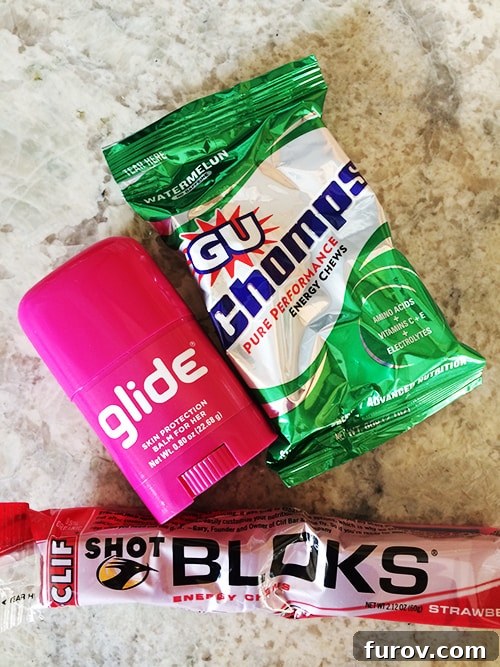
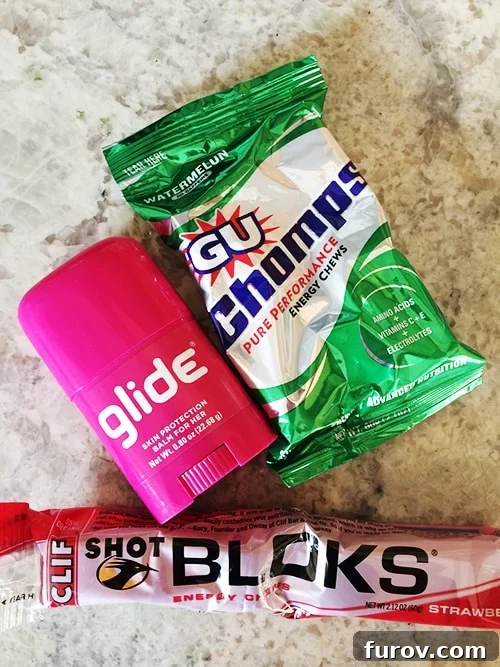
This week brought a delightful and utterly unexpected package in the mail from my longtime friend, Mel, whose inspiring running story I featured a couple of weeks ago. Her note informed me it was high time I started considering the vital, yet often overlooked, aspects of long-distance running, such as body glide and shot blocks. This was a profound “who am I and how did I get here?” moment, realizing the serious runner I was slowly becoming. Thankfully, she included detailed instructions on how often, when, and for what types of runs she uses both of these essentials. Her guidance is invaluable, and I’m planning to put both body glide and shot blocks to the test on my upcoming 7-miler. It feels simultaneously scary and incredibly hardcore, embracing the true demands of a half marathon.
Many of you have already generously shared invaluable feedback on a myriad of runner’s challenges, from chafing solutions to carrying water, and optimal pre- and post-run nutrition. In anticipation of even more of your collective wisdom, I’ve compiled a few more questions that are currently occupying my thoughts as I delve deeper into this running journey.
Current Dilemmas & A Favorite Discovery
Fueling for Endurance: The Energy Question
As my long runs increase, so does the need to properly fuel my body to maintain energy and prevent bonking. Currently, I hydrate with water from a pack for runs exceeding 4 miles and occasionally rely on an applesauce pouch for runs over 5 miles. But as the mileage climbs, I’m encountering questions about more specialized fueling options. Do you incorporate energy gels or shot blocks into your long runs? If so, what’s your typical frequency for consuming them (e.g., every 30-45 minutes after a certain duration)? I’ve heard mixed reviews on taste and texture – will I gag? And for what minimum distance or duration of runs do you typically find them necessary? Understanding the optimal fueling strategy is critical for successful half marathon training and race day performance.
Energy gels and shot blocks are essentially concentrated carbohydrates designed for quick absorption, providing sustained energy during endurance activities. They help replenish glycogen stores that get depleted during longer efforts, preventing fatigue and maintaining performance. Most recommendations suggest starting to fuel with gels or chews after about 60-90 minutes of continuous running, consuming one every 45-60 minutes thereafter, always accompanied by water to aid digestion and absorption. There’s a wide variety of brands and flavors, so finding one that agrees with your palate and stomach is crucial; experimenting during training is key to avoid race day surprises. Some runners prefer the quick hit of a gel, while others like the more solid, chewable texture of shot blocks, finding them easier to consume without a strong “gag” reflex.
Combating Friction: The Chafing Question
Last week, several of you offered fantastic insights on preventing chafing, specifically mentioning the effectiveness of body glide or similar anti-chafing balms like T2. While these solutions are invaluable for protecting sensitive skin, they lead me to a broader question about apparel. Given that we’re all friends here and comfortable discussing these not-so-glamorous aspects of running: Do you have any specific recommendations for sports bras, shorts, or running clothes in general that inherently chafe less than others? Are there particular brands, materials, or design features I should be looking for to minimize friction and discomfort during long runs?
Chafing is a common bane for runners, caused by repetitive skin-on-skin or fabric-on-skin friction, exacerbated by sweat. Beyond topical balms, the right running apparel can make a world of difference. When selecting running gear, look for moisture-wicking synthetic fabrics such as polyester, nylon, and spandex, which pull sweat away from the body, keeping skin drier. Avoid cotton at all costs, as it absorbs moisture and stays wet, increasing friction. For sports bras, prioritize seamless construction or flatlock seams, which reduce rubbing. Encapsulation bras (where each breast is supported in its own cup) or combination encapsulation-compression styles often offer superior support and comfort for longer distances. For shorts, consider those with a longer inseam to prevent inner-thigh chafing, and look for liners made from soft, anti-chafing materials. Some brands specifically design their apparel with anti-chafing properties, often highlighting seamless technology or specialized fabrics. Investing in high-quality, purpose-built running attire is an investment in your comfort and ability to sustain consistent training.
Foot Comfort Revelation: Something I Love
My sister, who is currently getting back into running and just committed to doing the half marathon with me (which is incredibly sweet!), recently shed light on a persistent problem: blisters. Apparently, the reason I’ve been getting these painful blisters (definitely not fun!) is because I’ve been running in everyday cotton socks. Jeez, how was I supposed to know? She introduced me to Feetures socks. As amazing as they sounded – labeled with a distinct Left and Right for goodness sakes, they must be awesome – I resisted for several weeks. Dude, shelling out $15 for a single pair of socks felt positively against my religion! However, my blisters eventually reached a point where they were truly killing me, forcing me to buckle. The moment I wore them for the first time, I honestly think my feet were singing. Not only did the comfort alleviate my existing pain, but crucially, I’ve had no more blisters since. While I have to wash them after every run because I’m not ready to invest in another pair just yet, they have absolutely proven to be worth every penny so far.
This experience highlighted a fundamental truth about running gear: some investments are non-negotiable for comfort and injury prevention. Cotton socks are notorious for absorbing moisture (sweat), staying wet, and creating a damp, friction-prone environment inside your shoes, which is the perfect recipe for blisters. Technical running socks like Feetures are designed with specific features to combat this: they utilize moisture-wicking synthetic fibers (like polyester, nylon, or sometimes merino wool) to pull sweat away from the skin, keeping your feet dry. They often feature targeted compression, anatomical designs (left/right specific for a precision fit), seamless toe construction to prevent irritation, and strategic cushioning in high-impact areas. While the upfront cost might seem high for a pair of socks, the relief from blisters, improved comfort, and prevention of potential training setbacks make them an invaluable piece of running equipment. Properly cared for, these socks also tend to be far more durable than their cotton counterparts, offering long-term value.
Taming the Tresses: The Hair/Headband Question
My hair is currently at an awkward, short-ish length – it’s past the pixie stage but not quite long enough for a proper ponytail. This in-between length makes it a real pain to keep off my face during runs. I’m constantly battling stray strands, and it’s incredibly distracting. I desperately need some good tips on running headbands or other hair solutions that truly work, keeping short hair securely back without constantly slipping up or requiring constant adjustments. Any help or product recommendations from fellow short-haired runners would be immensely appreciated!
Managing short to mid-length hair during a run presents unique challenges. Headbands are a popular choice, but not all are created equal when it comes to staying put. Look for headbands that incorporate silicone grips on the underside – these are designed specifically to prevent slippage, even during high-impact activities. Wider fabric headbands made from moisture-wicking, stretchy materials like spandex blends can also offer a more secure fit and absorb sweat effectively. Some brands offer headbands with a slightly tapered design or specific textures that help grip the hair and scalp. Alternatively, consider using small, silicone-lined hair clips or bobby pins to secure shorter layers around the temples or forehead, which can then be complemented by a lightweight headband or even a running visor or hat to keep everything contained and offer sun protection. Experimenting with different styles and materials is often the key to finding the perfect solution that provides comfort and keeps your hair out of your face for an uninterrupted run.
Okay, I promise I’ll stop bugging you with all my questions for now. Here’s to a fantastic running week for all of us – I can just feel the positive energy and progress in the air!