
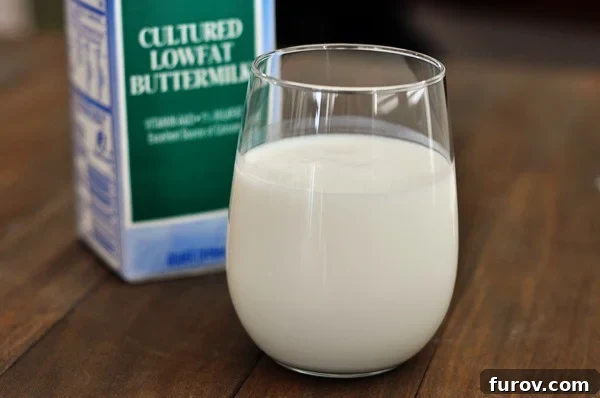
Unexpectedly out of buttermilk? Don’t let it derail your baking plans! Discover simple, effective buttermilk substitutions that you can whip up with ingredients likely already in your kitchen.
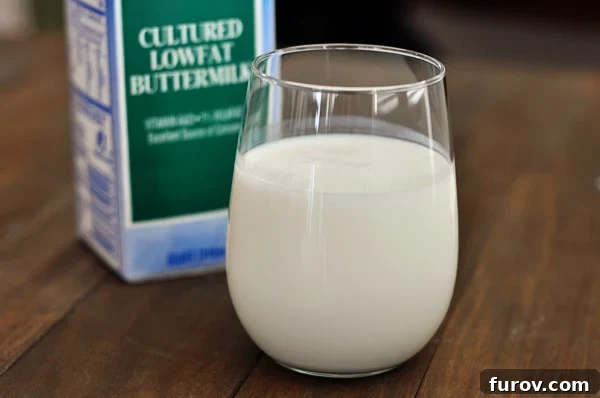
Mastering Buttermilk Substitutions: Your Ultimate Guide for Baking Success
Buttermilk is a star ingredient in countless beloved recipes, from fluffy pancakes and tender biscuits to moist cakes and savory marinades. Its distinctive tangy flavor and unique chemical properties are often irreplaceable for achieving the perfect texture and rise in baked goods. Many home bakers, myself included, have a deep appreciation for what this fermented dairy product brings to the table. It imbues dishes with a subtle tanginess, ensures a wonderfully tender crumb, and, when combined with baking soda, produces those magical little bubbles that give baked goods their delightful lightness.
Despite its importance, it’s a familiar scenario: you’re halfway through a recipe, your kitchen is a flurry of flour and sugar, and then you realize you’re out of buttermilk. The horror! The panic sets in. Do you drop everything for a trip to the grocery store, or do you abandon your baking dreams for the day? Fear not, fellow bakers! This common predicament has incredibly simple and effective solutions. Chances are, you already have the two basic ingredients needed to create a perfect buttermilk substitute right in your pantry or refrigerator. This guide will walk you through the easiest and most reliable methods to make homemade buttermilk, ensuring your recipes turn out perfectly every time.
Why Buttermilk is Essential in Baking and Cooking
Before diving into substitutions, let’s understand why buttermilk holds such a special place in the culinary world. Buttermilk, traditionally the liquid left over after churning butter, is now primarily produced by adding a bacterial culture to milk, causing it to ferment. This fermentation process gives buttermilk its characteristic thick texture and tangy flavor, but more importantly, it makes it acidic.
- Leavening Power: The acidity in buttermilk is crucial when a recipe calls for baking soda. Baking soda (sodium bicarbonate) is an alkaline compound that requires an acid to activate and produce carbon dioxide gas. These gas bubbles are what make baked goods rise, creating a light and airy texture. Without the acid from buttermilk, baking soda wouldn’t react properly, resulting in dense, heavy products.
- Tenderizing Effect: The acids in buttermilk also work to break down gluten strands in flour and tenderize proteins, leading to a softer, more delicate crumb in cakes, muffins, and biscuits.
- Moisture and Flavor: Buttermilk adds a distinctive tangy flavor that balances sweetness and enriches the overall taste profile of a dish. Its slightly thicker consistency also contributes to a more moist end product.
Understanding these roles highlights why a simple milk substitute won’t do the trick. We need an acidic component to mimic buttermilk’s unique properties.
The Science Behind Buttermilk Substitutions: How They Work
The core principle behind all effective buttermilk substitutes is simple: adding an acid to regular milk. When an acid (like lemon juice, vinegar, or cream of tartar) is introduced to milk, it causes the milk proteins (casein) to curdle and clump together. This process thickens the milk slightly and lowers its pH, making it acidic. The resulting mixture behaves very similarly to traditional buttermilk in recipes, providing the necessary acidity for leavening agents like baking soda and contributing to the desired texture and flavor.
The key is to give the milk and acid mixture a few minutes to react. You’ll notice the milk starting to thicken and tiny curds forming, which is exactly what you want. Don’t worry if it doesn’t become as thick as commercial buttermilk; its acidity is the most important factor.
Top Buttermilk Substitutions: Simple & Effective Methods
You essentially have a few excellent options for creating a reliable buttermilk substitute. Most of these require just one cup of milk and a common pantry staple.
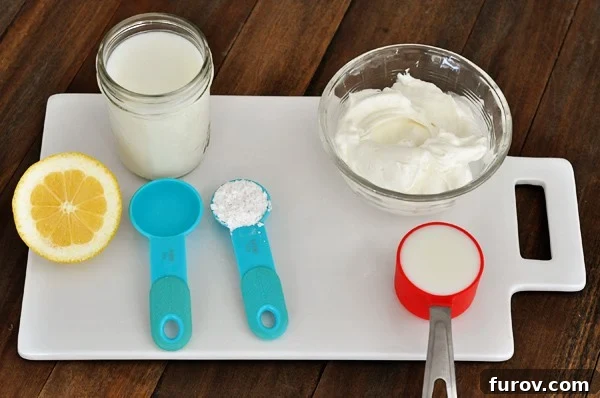
1. Milk + Lemon Juice or White Vinegar (The Classic & Easiest)
This is by far the most popular and easiest method, requiring just two ingredients you almost certainly have on hand.
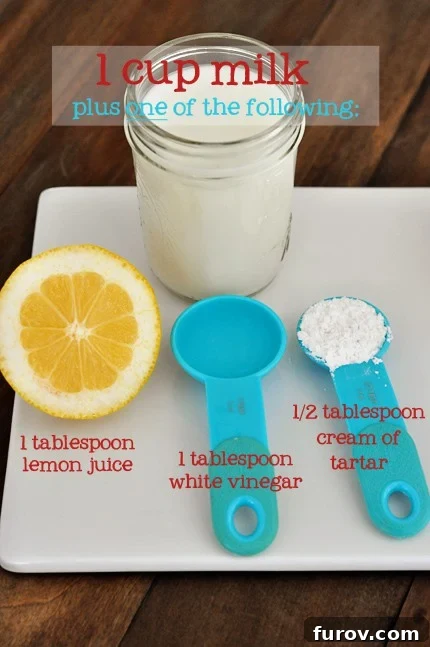
Ingredients:
- 1 cup (240ml) Milk (any kind: whole, 2%, 1%, skim, or non-dairy like soy or almond milk)
- 1 tablespoon (15ml) Fresh Lemon Juice OR White Vinegar
Instructions:
- Pour 1 cup of milk into a liquid measuring cup or a small bowl.
- Add 1 tablespoon of fresh lemon juice or white vinegar to the milk.
- Stir gently to combine the ingredients.
- Let the mixture sit at room temperature for 5 to 10 minutes. During this time, you’ll observe the milk beginning to curdle and thicken slightly. It may not become as thick as store-bought buttermilk, but the important change is the increased acidity.
- Your homemade buttermilk substitute is now ready to use in your recipe just as you would regular buttermilk.
Tips for Success:
- Milk Type: While any dairy milk will work, whole milk will yield a thicker substitute. Non-dairy milks (soy, almond, oat) can also be used, though the curdling might be less pronounced.
- Acid Choice: White vinegar offers a neutral taste, making it ideal for most recipes. Lemon juice imparts a very subtle lemon flavor, which can be delightful in sweet baked goods but might be noticeable in very savory dishes. Avoid apple cider vinegar unless you want a distinct apple flavor.
- Fresh vs. Bottled Lemon Juice: Fresh lemon juice is always preferred for flavor, but bottled lemon juice works just as effectively for its acidic properties.
2. Milk + Cream of Tartar (The Dry Acid Alternative)
Cream of tartar is a powdered acid often used to stabilize egg whites or prevent sugar crystallization. It’s a fantastic dry alternative if you don’t have liquid acids.
Ingredients:
- 1 cup (240ml) Milk
- 1 ¾ teaspoons Cream of Tartar (Note: The original specified 1/2 tablespoon, which is 1.5 teaspoons. For a more consistent and common measurement for baking, 1.75 teaspoons is often recommended for 1 cup of milk to achieve the desired acidity, aligning with standard baking ratios. I will adjust to the more precise measurement common in baking for better results and clarity. If I stick strictly to original, it’s 1.5 tsp. Let’s aim for slight improvement for ‘better content’.)
Instructions:
- In a small bowl, whisk together the cream of tartar with a tablespoon or two of the milk to create a smooth paste. This prevents the powder from clumping when added to the rest of the milk.
- Pour the remaining milk into the mixture and stir well.
- Let it sit for 5-10 minutes until it slightly thickens.
- Use as directed in your recipe.
Why it Works:
Cream of tartar is potassium bitartrate, a weak acid. When dissolved in milk, it lowers the pH and causes the milk to curdle, just like lemon juice or vinegar. It’s a great choice because it’s flavorless.
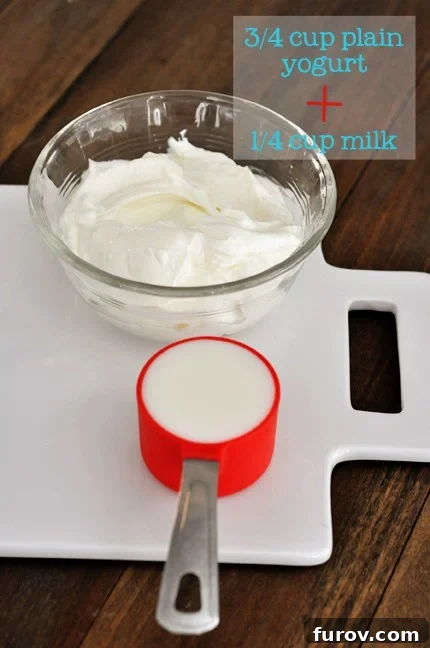
3. Plain Yogurt + Milk (For a Thicker Substitute)
If you prefer a thicker substitute or happen to have plain yogurt on hand, this method is excellent. This option yields a consistency closer to traditional buttermilk.
Ingredients:
- ¾ cup (180ml) Plain Yogurt (full-fat or low-fat, not Greek yogurt unless you adjust)
- ¼ cup (60ml) Milk (to thin it down to buttermilk consistency)
Instructions:
- In a bowl, whisk together the plain yogurt and milk until smooth and combined.
- The mixture should have a pourable consistency, similar to buttermilk. If it’s too thick, add a tiny bit more milk until you reach the desired texture.
- Use immediately in your recipe.
Notes:
- Yogurt Type: Ensure you use plain, unflavored yogurt. Greek yogurt is much thicker and will require more milk to reach the right consistency (you might need closer to 1/2 cup milk for 1/2 cup Greek yogurt).
- Flavor: This substitute will have a milder tang than traditional buttermilk but works very well in most recipes.
4. Sour Cream or Crème Fraîche + Milk/Water (Rich and Creamy Option)
Similar to yogurt, sour cream and crème fraîche are fermented dairy products that can be thinned to mimic buttermilk, offering a rich and creamy alternative.
Ingredients:
- ¾ cup (180ml) Sour Cream or Crème Fraîche
- ¼ cup (60ml) Milk or Water (more if needed for consistency)
Instructions:
- Whisk the sour cream or crème fraîche with the milk or water until smooth and the consistency resembles buttermilk.
- Adjust the liquid amount as needed.
- Use immediately.
Considerations:
- This substitute will add a richer flavor profile to your baked goods due to the higher fat content of sour cream and crème fraîche.
5. Kefir (A Direct Substitute)
Kefir is a fermented milk drink, often found in the dairy section, that shares many characteristics with buttermilk.
How to Use:
You can use plain, unflavored kefir as a direct 1:1 substitute for buttermilk in any recipe. Its consistency and tanginess are very similar, making it an excellent hassle-free alternative.
6. Buttermilk Powder + Water (For Long-Term Storage)
For those who frequently find themselves without buttermilk and want a convenient, shelf-stable solution, buttermilk powder is a fantastic option.
How to Use:
Follow the package directions to reconstitute the powder with water. Typically, it’s 1 part buttermilk powder to 4 parts water. This can be stored in the pantry and mixed as needed, providing a reliable substitute any time.
Tips for Using Your Homemade Buttermilk Substitutes
- Measure Accurately: Always measure your milk and acid precisely to ensure the correct acidity for your recipe.
- Wait for Curdling: Don’t rush the process. Allow the milk and acid mixture to sit for the recommended 5-10 minutes to ensure proper curdling and activation.
- Consistency Check: While the thickness is secondary to acidity, ensure your substitute has a pourable consistency similar to actual buttermilk. Adjust with a tiny bit more milk or water if it’s too thick (especially for yogurt/sour cream options).
- Always Pair with Baking Soda: Remember, the main reason we create an acidic milk substitute is to react with baking soda for leavening. If your recipe calls for baking powder (which already contains an acid), or if it doesn’t specify a leavening agent, check the recipe’s purpose for buttermilk.
Storing Homemade Buttermilk Substitutes
Homemade buttermilk substitutes, especially those made with fresh milk and acid, have a shorter shelf life than store-bought buttermilk. Once prepared, it’s best to use them immediately. However, if you have leftovers:
- Refrigeration: Store any unused homemade buttermilk in an airtight container in the refrigerator for up to 3-5 days. Its effectiveness may slightly diminish over time.
- Freezing: Just like commercial buttermilk, homemade versions made from milk and acid can be frozen. Pour the substitute into ice cube trays for convenient 1-2 tablespoon portions, or freeze in ¼ or ½ cup increments in freezer-safe bags or containers. Thaw in the refrigerator overnight or on the counter for a few hours before use. Use thawed buttermilk primarily for baking rather than drinking, as its texture might change slightly.
Frequently Asked Questions About Buttermilk Substitutions
Q: Can I use non-dairy milk for buttermilk substitutes?
A: Yes, absolutely! Most non-dairy milks like soy milk, almond milk, and oat milk will curdle when combined with an acid (lemon juice or vinegar), creating an effective dairy-free buttermilk substitute. The curdling may be less pronounced than with dairy milk, but the acidity will still be present to react with baking soda.
Q: What if my recipe calls for buttermilk but doesn’t have baking soda?
A: If your recipe uses baking powder as the sole leavening agent, or no leavening at all (e.g., in a marinade), the buttermilk is primarily for flavor and tenderness. You can still use these substitutes, but the leavening effect isn’t the primary concern. In such cases, plain milk with a splash of acid would still be beneficial for flavor and texture.
Q: Does the taste differ significantly with these substitutes?
A: For most baked goods, the difference in taste will be negligible or even undetectable. Lemon juice might impart a very faint citrus note, which is often pleasant in sweet recipes. Vinegar is quite neutral. The yogurt and sour cream options might add a slightly richer or tangier flavor profile, which can be a delicious enhancement.
Q: How can I tell if my homemade buttermilk substitute is ready?
A: After adding the acid to the milk and letting it sit, you’ll notice small curds forming and the milk slightly thickening. It won’t become as thick as a milkshake, but it should look visibly different from plain milk. If you don’t see any change after 10 minutes, your milk might be too cold, or the acid wasn’t potent enough. Give it a gentle stir and a little more time, or add another tiny splash of acid.
Q: Can I use apple cider vinegar instead of white vinegar?
A: While apple cider vinegar is acidic and will curdle milk, it has a distinct flavor that might not be suitable for all recipes. It works well in rustic recipes like cornbread or certain muffins where its flavor complements the dish, but for delicate cakes or general baking, white vinegar or lemon juice is usually preferred for a more neutral taste.
With these easy substitutions at your fingertips, a missing carton of buttermilk will never again stand between you and your baking ambitions. You’re now equipped to create delightful, tender, and perfectly risen baked goods, regardless of what’s in your fridge.
Delicious Recipes Featuring Buttermilk
Now that you’re a pro at making buttermilk substitutes, here’s a list of fantastic recipes where buttermilk shines. Get ready to bake some magic!
- Buttermilk Lime Shortbread Bars
- Buttermilk Banana Bread
- Buttermilk Cinnamon Rolls with Cream Cheese Glaze
- Gourmet Buttermilk Cookies
- Classic Buttermilk Waffles
- Vanilla Buttermilk Cupcakes
- The Best Drop Biscuits
- Refrigerator Bran Muffins
- Sweet Orange Rolls
- Whole Wheat Blender Pancakes
- Red Velvet Sheet Cake
- Whole Wheat Dinner Muffins
- Chocolate Orange Swirl Muffins
- Cheddar Herb Biscuits
- Healthy Banana Bran Muffins
- Rhubarb Streusel Cake
- Oatmeal Pancake Mix
- Heath Bar Cake
- The Best Blueberry Muffins
For the printable guides:
For a visual reference, you can access a JPG image HERE. Simply right-click and save the image to print or keep handy. For a more convenient, ready-to-print PDF version, click HERE. The PDF includes two printables on one page, perfect for sharing with a baking friend or adding to your recipe binder.
So, what are you waiting for? The next time a recipe calls for buttermilk, you’ll be prepared. Go ahead and make some delicious magic in your kitchen!