
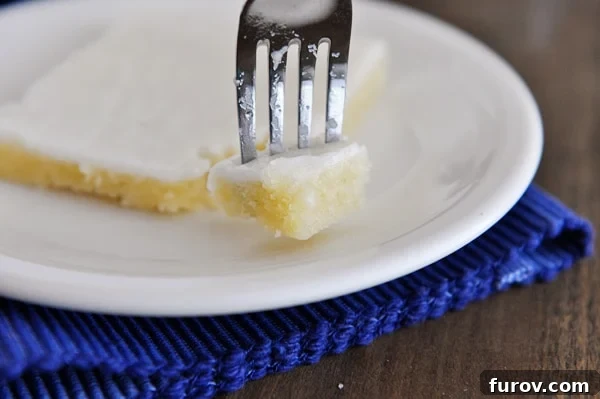
This simple, pristine White Texas Sheet Cake is pretty much the perfect dessert to take anywhere you need to feed a crowd.
The Ultimate White Texas Sheet Cake: Your Go-To Crowd-Pleaser
In the vast world of desserts, few cakes command the same level of affection and versatility as the classic Texas Sheet Cake. It’s a beloved staple for potlucks, family gatherings, and celebrations of all kinds. But what if we told you there’s an equally enchanting, perhaps even more elegant, counterpart that deserves a prime spot in your recipe repertoire? Enter the White Texas Sheet Cake – a dessert so effortlessly delicious, it might just surprise you by becoming your new favorite.
You might be thinking, “Isn’t it a bit unconventional to introduce a White Texas Sheet Cake before even sharing the recipe for the traditional chocolate version?” My husband, Brian, would certainly agree, labeling such an omission as ‘shocking, sad, and devastating!’ He considers the classic chocolate Texas Sheet Cake one of his all-time favorite desserts, making its absence on this blog a truly tragic affair in his eyes. While we do occasionally whip up his family’s cherished chocolate recipe (often with him proudly taking the lead), I wanted to embrace a little rebellion. There are countless iterations of the beloved chocolate sheet cake out there, so I decided to spotlight this beautiful white version first, offering something refreshingly different.
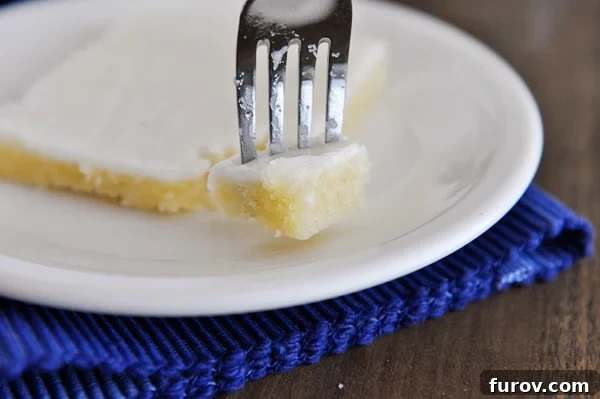
And let me tell you, this cake is good. Really, truly, unbelievably good. It’s a dessert that consistently earns rave reviews and disappears quickly from any dessert table it graces. The magic lies in its simplicity and the unique preparation method that sets it apart, delivering a cake that’s not only delicious but also incredibly easy to make.
The Secret to Unforgettable Texture: The Boiling Method
Just like its chocolate cousin, the White Texas Sheet Cake owes its signature soft, tender, and melt-in-your-mouth texture to a clever technique: boiling part of the cake ingredients and then repeating a similar process for the icing. This isn’t just a quirky step; it’s a fundamental part of what makes this cake so special. When butter and water are brought to a boil and then incorporated into the dry ingredients, it helps to create a thinner batter that bakes into a delightfully moist and evenly structured cake layer. This method effectively “cooks” some of the flour lightly, resulting in a finer crumb and a cake that remains incredibly moist for days.
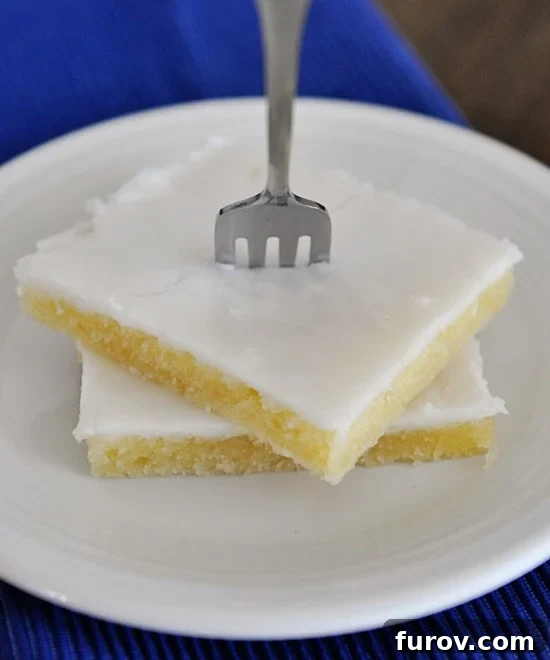
The thin layer of sweet, pourable icing is also prepared with a similar boiling technique, allowing it to soak slightly into the warm cake, creating an almost seamless union of flavors and textures. This delicate balance means the cake is never overly sweet, nor is it dry. It’s a symphony of subtle flavors and perfect tenderness that makes it truly irresistible. While I might jokingly think that eating another piece or three would lead to weight loss due to its ‘skinny’ icing layer, let’s be real – it’s just that good, you won’t want to stop!
Why the White Texas Sheet Cake is Your Ultimate Crowd-Pleaser
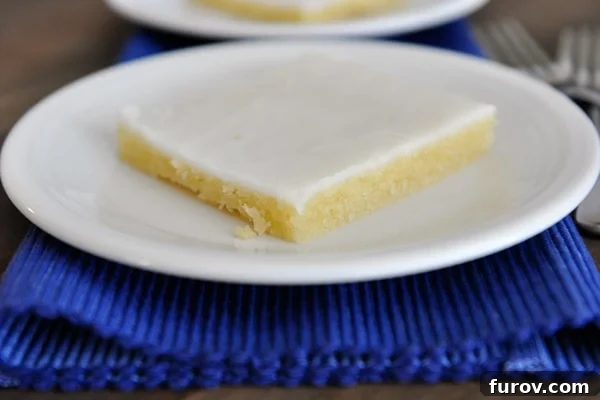
If you’re looking for a dessert to bring to a potluck, a large family dinner, a church event, or any gathering where you need to feed a significant number of people without fuss, this pristine white cake is your answer. Baked in a standard 12×18-inch rimmed baking sheet, it yields generous portions (typically 24 slices) and is incredibly easy to transport. No need for delicate stacking or intricate decorations; its charm lies in its straightforward elegance and undeniable deliciousness. Serving is a breeze – simply slice and enjoy! It’s the kind of dessert that appeals to almost everyone, a universally loved treat that brings smiles to faces young and old.
Elevating Your White Texas Sheet Cake: Delicious Variations
While the original recipe is pure perfection, this White Texas Sheet Cake is also incredibly adaptable. For those who adore coconut, I’ve included notes below on transforming this already fantastic cake into a coconut lover’s dream. By simply substituting butter with organic, extra-virgin coconut oil in both the cake and icing, and swapping almond extract for coconut extract (or even vanilla extract), you unlock a new dimension of flavor. A generous sprinkle of toasted coconut over the warm, iced cake completes this tropical twist, making it an utterly unbelievable experience. Both the classic white version and the coconut rendition are phenomenal, proving just how versatile this base recipe can be.
Beyond coconut, imagine incorporating a hint of lemon zest into the batter for a bright, citrusy note, or perhaps a touch of vanilla bean paste for a more gourmet, aromatic profile. The beauty of this recipe is its foundational simplicity, allowing you to experiment with extracts and toppings to create your own signature sheet cake. Whether you stick to the classic or venture into new flavor territories, the result will always be a moist, tender, and satisfying dessert.
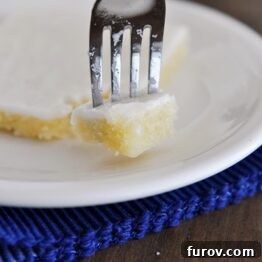
White Texas Sheet Cake
24
Servings (12X18-inch pan)
15
25
40
Pin
Ingredients
Cake:
-
2
cups
(284 g)
all-purpose flour -
1 ½
cups
(318 g)
granulated sugar -
1
teaspoon
salt -
1
teaspoon
baking powder -
1
cup
(227 g)
salted butter -
1
cup
water -
½
cup
(113 g)
sour cream,
light or regular -
2
large
eggs -
1
teaspoon
almond extract -
1
cup
(85 g)
sweetened,
shredded coconut (optional)
Icing:
-
½
cup
(113 g)
salted butter -
¼
cup
milk -
½
teaspoon
almond extract -
3
cups
(342 g)
powdered sugar
Instructions
-
Preheat the oven to 350 degrees F (175°C). Lightly coat a 12×18-inch rimmed baking sheet with nonstick cooking spray. Set aside.
-
In a large bowl, combine the flour, sugar, salt, and baking powder; whisk together and set aside. In a medium saucepan, combine the butter and water and bring the mixture to a rolling boil over medium heat. Once boiling, immediately remove from heat and carefully pour into the flour mixture, stirring until well combined. Whisk in the sour cream, eggs, almond extract, and coconut (if using) until the batter is smooth.
-
Spread the batter evenly into the prepared pan and bake for 20-25 minutes, or until a toothpick inserted into the center comes out clean.
-
Towards the end of the cake’s baking time, begin preparing the icing. In a clean saucepan, combine the butter and milk for the icing. Bring to a boil over medium heat, stirring occasionally to ensure the butter melts smoothly. Remove from heat and whisk in the almond extract. Gradually add the powdered sugar, whisking continuously until the icing is completely smooth and free of lumps.
-
As soon as the cake is removed from the oven, pour the warm icing evenly over the entire surface of the hot cake. The icing will spread and lightly melt into the cake, creating a delicious sheen. Allow the cake to cool before slicing and serving.
Notes
Halving the Recipe: While I haven’t personally tested it, you could likely halve this recipe for a 9×13-inch pan. If you give it a try, please let me know how it turns out! Adjust baking time accordingly.
Coconut Version: To transform this into a coconut-lover’s paradise, substitute the salted butter with organic, extra-virgin coconut oil in both the cake and the icing. Swap the almond extract for coconut extract (or use vanilla extract for a subtle flavor). For an extra touch, sprinkle toasted shredded coconut over the top of the iced cake while it’s still warm. The coconut oil may impart a slightly sweeter taste, but it’s incredibly delicious. Both the original and coconut versions are phenomenal!
Extract Customization: If you’re not a fan of almond extract, feel free to substitute it with vanilla extract for a more classic flavor profile. Pure vanilla extract will give the cake a lovely, comforting aroma and taste.
Mel
Dessert
American
Bake
Serving:
1
Serving
,
Calories:
280
kcal
,
Carbohydrates:
38
g
,
Protein:
2
g
,
Fat:
14
g
,
Saturated Fat:
9
g
,
Cholesterol:
49
mg
,
Sodium:
238
mg
,
Fiber:
1
g
,
Sugar:
29
g
Recommended Products
Recipe Source: This recipe is adapted slightly from my cousin Katie (Aunt Marilyn’s daughter), who got it from her sister-in-law, Amy C. My adjustments included decreasing the sugar slightly, experimenting with coconut oil and different extracts, and fine-tuning the baking time. A big thank you to Katie and Amy for this fantastic foundation!