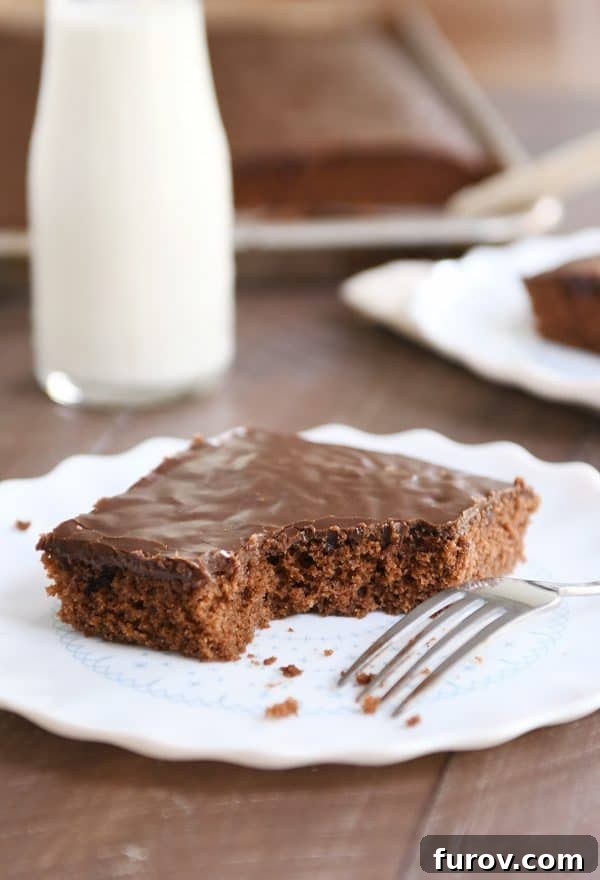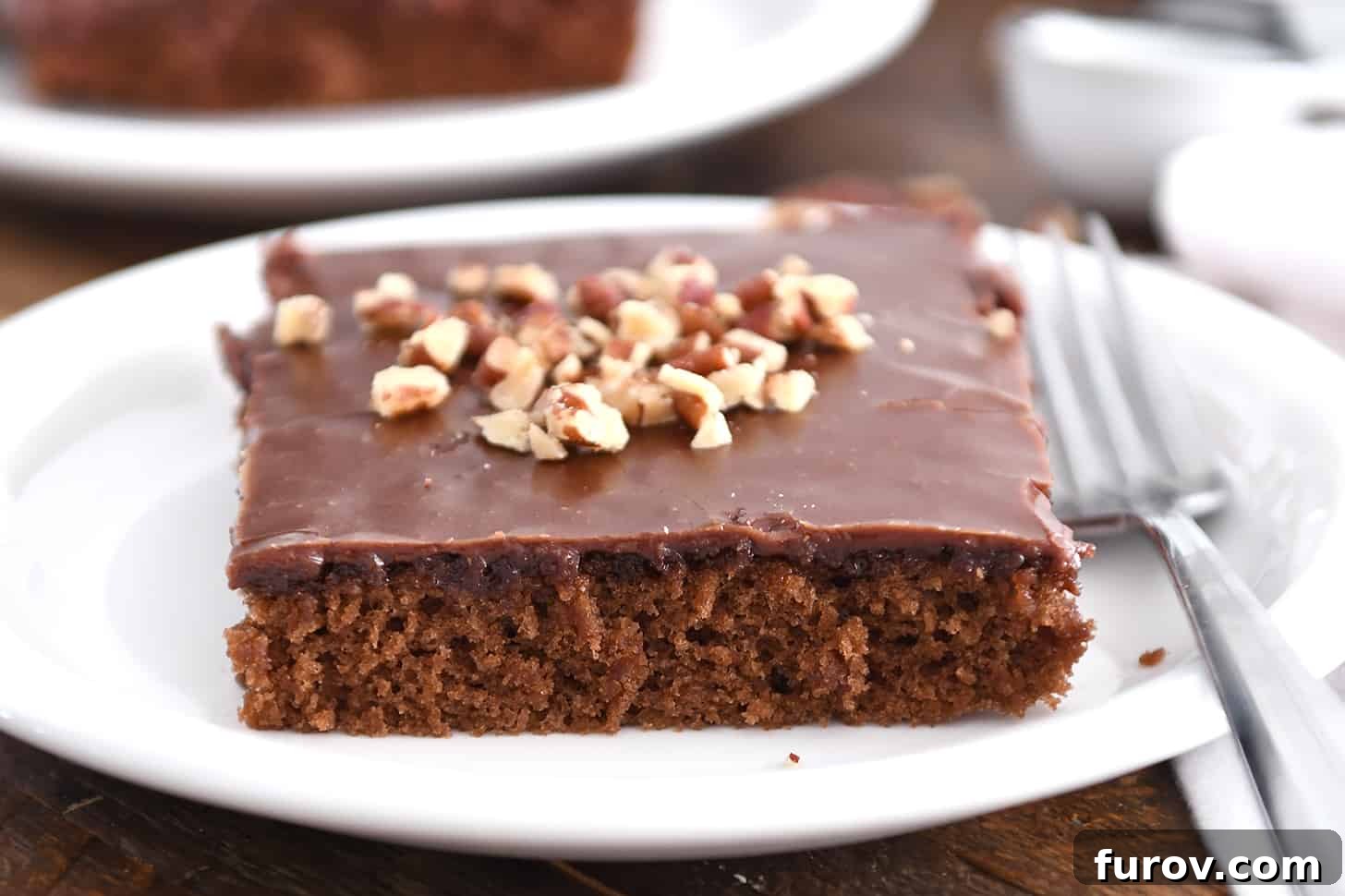
Indulge in the ultimate chocolate experience with this incredibly moist and intensely chocolatey Texas Sheet Cake. This recipe stands out for its rich flavor and effortless preparation, making it the perfect dessert for any occasion, anytime, anywhere!
Forget the fuss and fancy equipment – this sensational Texas Sheet Cake requires no stand mixer and uses readily available pantry ingredients. Its simple stovetop method for both the cake batter and the luscious frosting ensures a consistently delicious result every single time. Prepare to be amazed by how easy it is to create such a show-stopping dessert.
The Irresistible Allure of Texas Sheet Cake
Texas Sheet Cake is more than just a dessert; it’s a culinary legend, famous for its grand scale and crowd-pleasing qualities. Originating, as many believe, from the vastness of Texas itself, this cake embodies generosity – large enough to feed a gathering, yet so simple to prepare it feels like a comforting embrace from your own kitchen. Its flat, rectangular shape is designed for easy serving, making it a favorite for potlucks, family reunions, and casual weeknight treats. What truly sets it apart is the unique method of preparation and its signature warm, pourable frosting, which melts slightly into the warm cake, creating an unparalleled moistness and flavor.
Why This Texas Sheet Cake Recipe Is A Must-Try
While many Texas Sheet Cake recipes exist, this particular version is distinguished by its deeper, more pronounced chocolate flavor in both the cake and the frosting. We’ve fine-tuned the cocoa content to elevate the experience, transforming an already beloved classic into something truly extraordinary. The result is a cake that is exceptionally moist, incredibly rich, and delivers an indulgent chocolate hit with every bite. The simplicity of the method, combined with pantry staples, makes this the best Texas Sheet Cake you’ll ever bake.
Essential Ingredients for Your Perfect Texas Sheet Cake
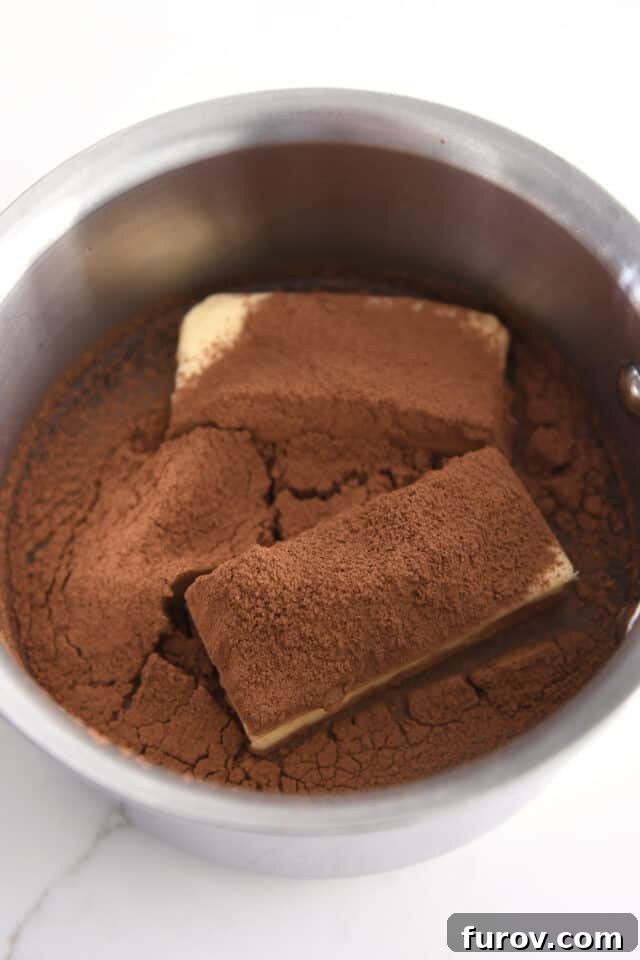
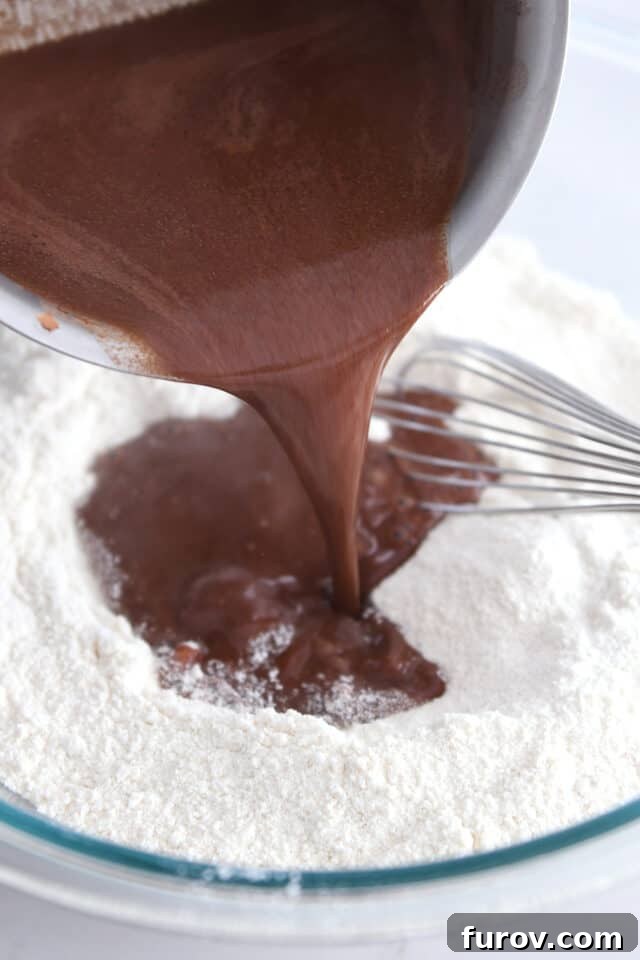
Unlike traditional chocolate cakes where butter and sugar are creamed, the magic of Texas Sheet Cake begins on the stovetop. Butter, cocoa powder, and water are brought to a gentle simmer, creating a richly flavored base that gets stirred directly into the dry ingredients. This unique technique is key to the cake’s signature moist texture and intense chocolate depth. Here’s a detailed look at the ingredients you’ll need and why each plays a vital role:
- All-Purpose Flour: Stick to standard all-purpose flour for the best results. Bread flour can make the cake too dense, while cake flour might result in a crumb that’s too delicate for this sturdy sheet cake.
- Granulated Sugar: Provides sweetness and helps achieve that tender crumb.
- Baking Soda: This is crucial for leavening. It reacts with the acidic buttermilk (or sour cream substitute) to produce carbon dioxide bubbles, which are essential for a light, fluffy cake. Do not substitute with baking powder.
- Salt: A pinch of salt enhances all the other flavors, particularly the rich chocolate, balancing the sweetness.
- Salted Butter: The butter is melted with water and cocoa, infusing the cake with a rich, buttery flavor from the start. If using unsalted butter, add an extra pinch of salt to the dry ingredients.
- Water: Combined with butter and cocoa, water helps create the unique liquid base for the cake batter.
- Cocoa Powder: This recipe uses a generous amount of cocoa powder to deliver that deep chocolate flavor. Natural, unsweetened cocoa powder (like Hershey’s) works wonderfully. For an even richer, darker chocolate profile, you can substitute a tablespoon or two of Dutch-process cocoa powder in both the cake and frosting. Sifting the cocoa powder is highly recommended to prevent lumps.
- Buttermilk: Essential for a tender, moist crumb. Its acidity activates the baking soda, creating air pockets for a fluffy texture. If you don’t have buttermilk, a simple homemade substitute works well: combine half milk with half sour cream, or add a tablespoon of lemon juice or white vinegar to regular milk and let it sit for 5-10 minutes until it slightly curdles.
- Large Eggs: Eggs bind the ingredients together, add richness, and contribute to the cake’s structure. Room temperature or cold eggs work equally well in this recipe.
- Vanilla Extract: A splash of vanilla enhances the chocolate flavor, adding a warm, aromatic depth to the cake.
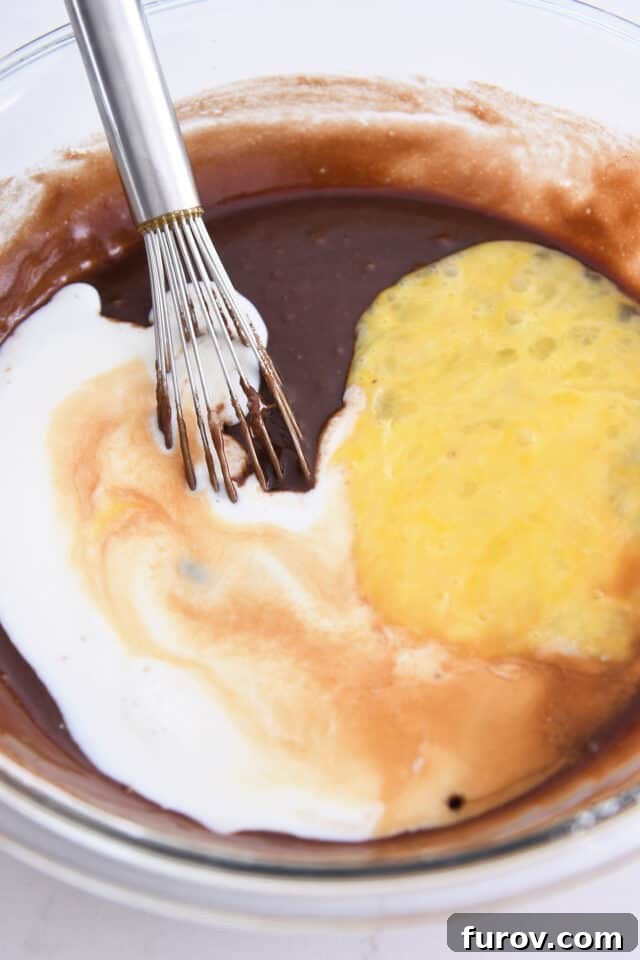
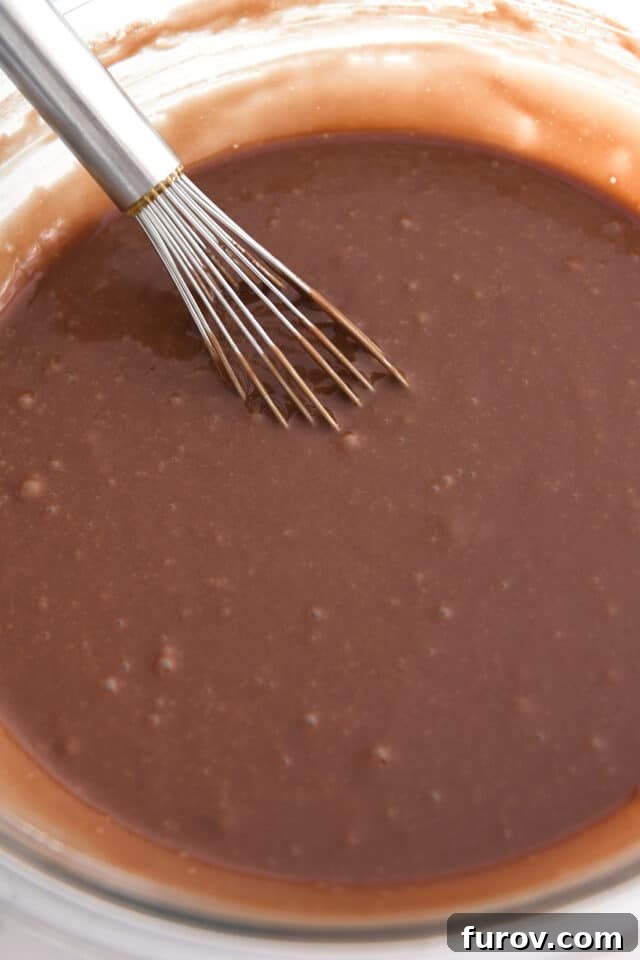
The cake batter for Texas Sheet Cake is notably thin and may exhibit tiny bubbles. This is perfectly normal! Don’t be alarmed; this consistency is part of what makes the cake incredibly moist and tender.
The Iconic Texas Sheet Cake Frosting
One of the hallmarks of a truly great Texas Sheet Cake is its distinctive warm frosting. This glossy, pourable chocolate glaze is prepared on the stovetop while the cake bakes, making it an incredibly efficient process. The key to its success lies in its temperature: the frosting must be warm when poured over the warm cake. This interaction allows the frosting to slightly melt into the cake, creating an almost fudgy, thin, and deeply flavorful chocolate layer that truly sets this cake apart.
Crafting the Perfect Warm Frosting:
- In a medium saucepan, combine salted butter, milk (or buttermilk for extra tang), and cocoa powder. Bring this mixture to a gentle simmer over medium heat, stirring continuously to prevent scorching and ensure the cocoa dissolves completely.
- Once simmering, immediately remove the saucepan from the heat. Gradually whisk in the sifted powdered sugar, a cup at a time. Sifting the powdered sugar is a critical step to prevent lumps and ensure a silky-smooth frosting. Continue whisking until the frosting is completely smooth and lump-free. Add vanilla extract and a pinch of salt to enhance the flavor.
- It’s crucial to keep the frosting warm if your cake isn’t quite ready. A double boiler or simply returning it to very low heat briefly can help, but avoid letting it seize up. The moment the cake comes out of the oven, the frosting should be ready to pour.
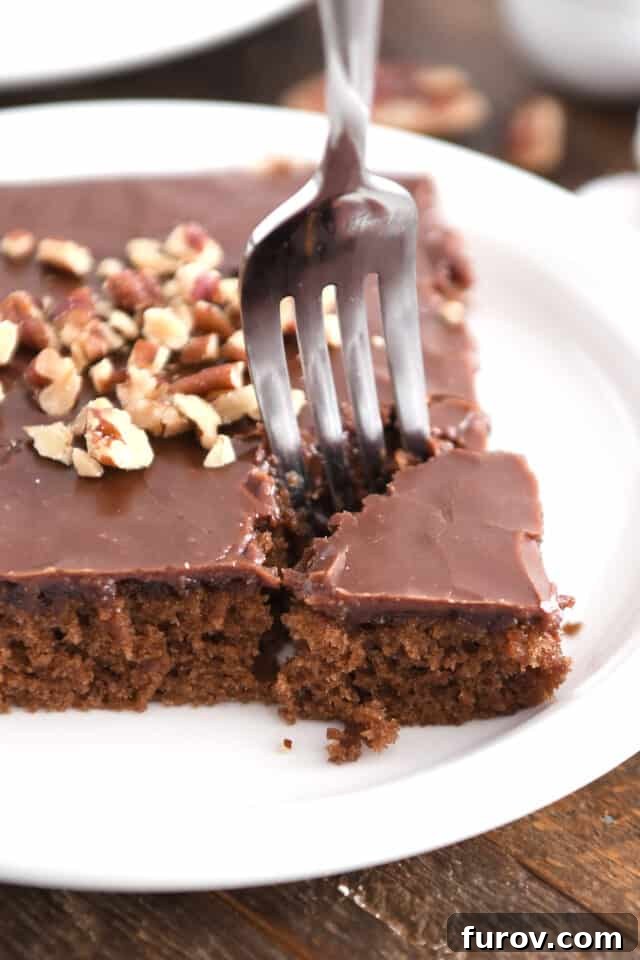
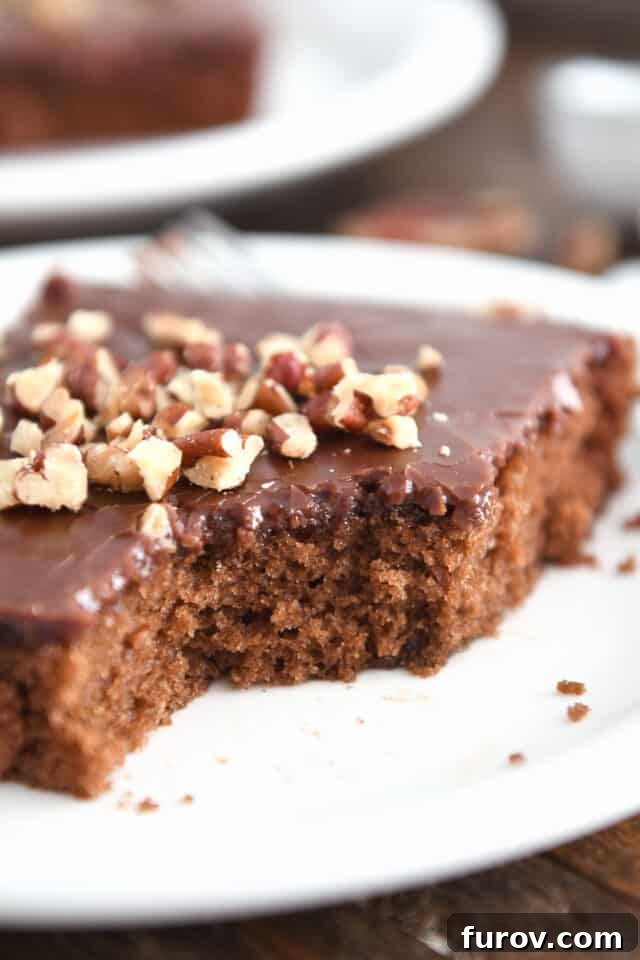
The secret to this cake’s unparalleled moistness lies in the moment the warm frosting meets the warm cake. This creates a delightful interaction where the frosting partially absorbs into the cake, forming a thin, rich, and intensely chocolatey layer that locks in moisture.
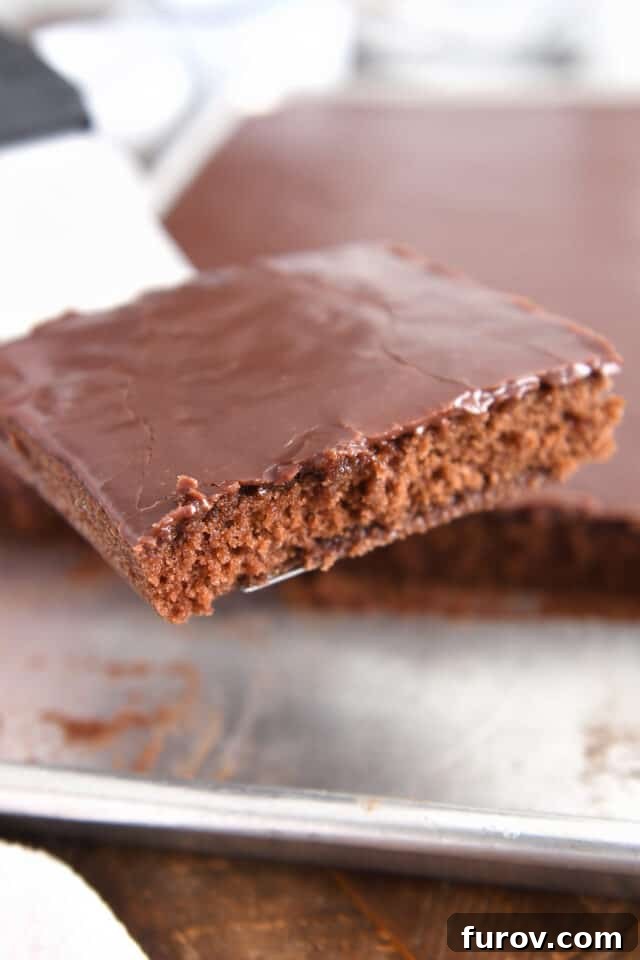
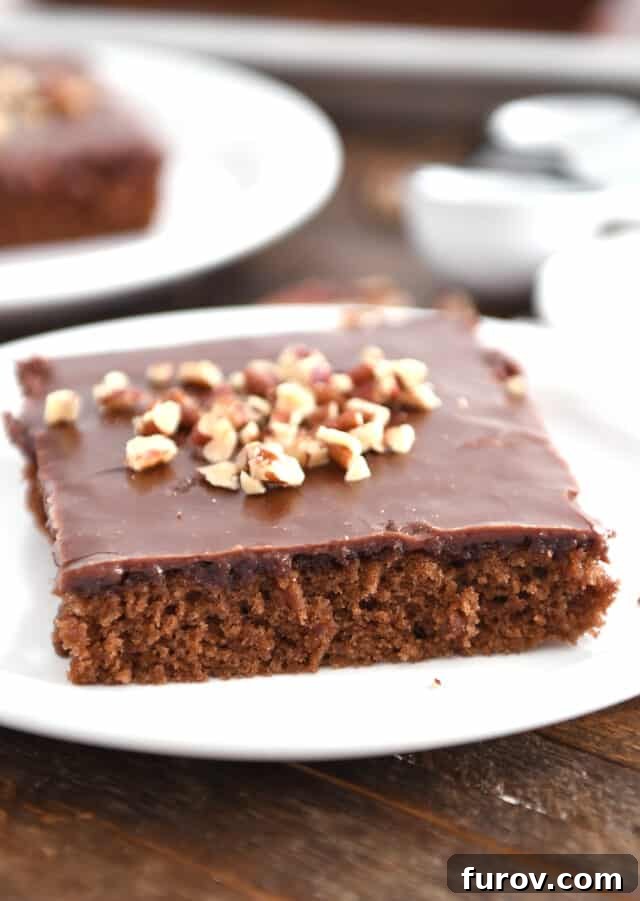
As the cake cools and the frosting sets, it transforms into a beautifully thin, slightly firm layer of chocolate goodness atop the rich, chocolatey, indulgently soft cake. The contrast between the soft cake and the delicate frosting is simply divine.
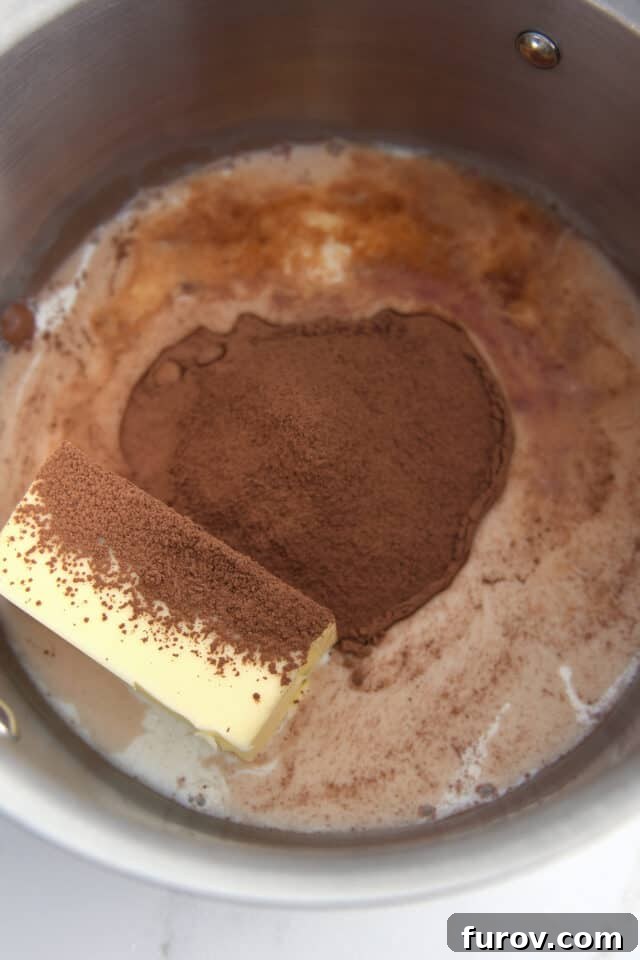
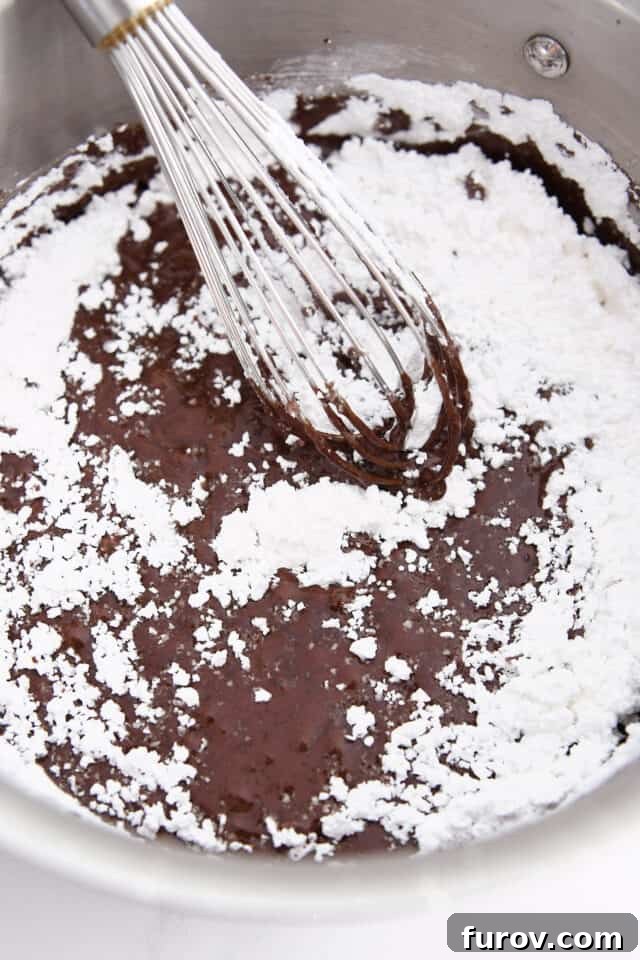
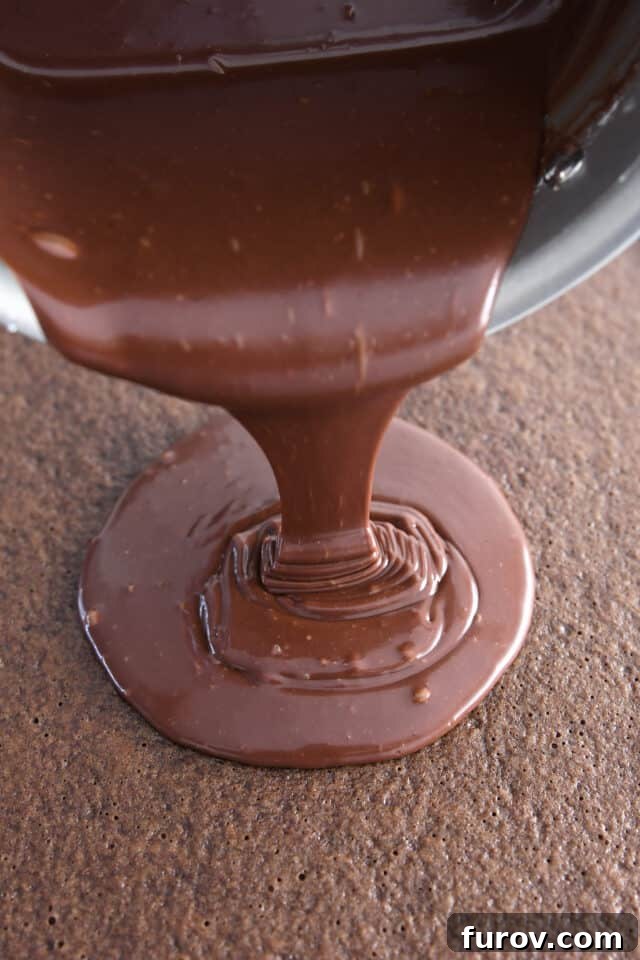
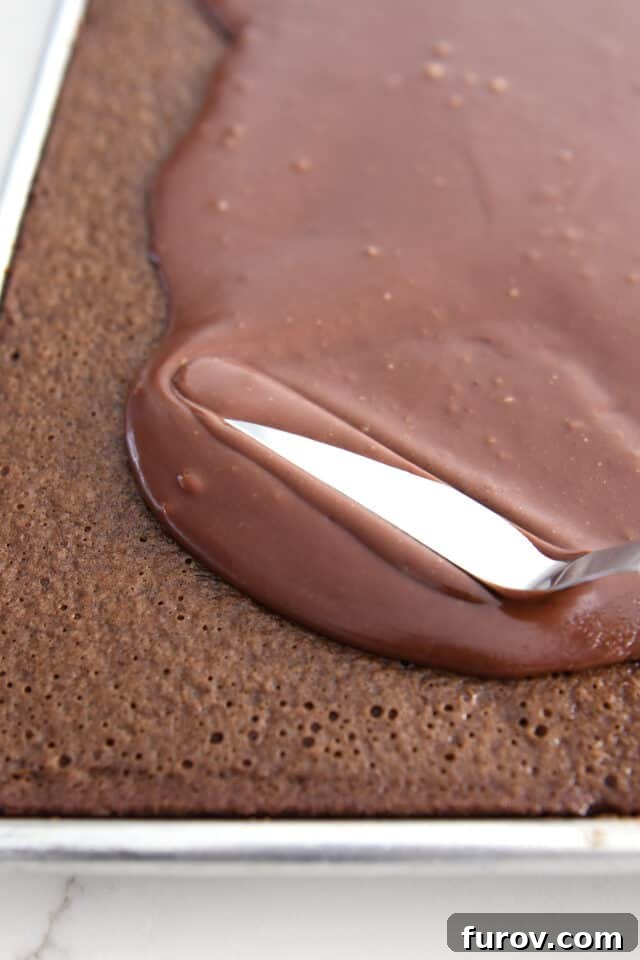
For the smoothest frosting possible, make sure to sift both the cocoa powder and the powdered sugar. This prevents any stubborn lumps. Small bubbles might still appear on the surface of the frosting, but these will easily smooth out as you spread it over the cake.
Serving and Topping Suggestions:
This Texas Sheet Cake is remarkably versatile. It’s incredibly delicious served warm, allowing the frosting to remain slightly gooey. It’s equally delightful at room temperature, where the frosting achieves a slightly firmer, fudgy texture, or even chilled for a denser, more decadent bite. Feel free to experiment with toppings! Chopped pecans are a classic accompaniment, adding a wonderful textural contrast and nutty flavor. If you have guests who aren’t keen on nuts in their dessert (we all know a few!), consider serving a bowl of chopped, toasted pecans on the side, allowing everyone to customize their slice.
Choosing the Right Pan for Texas Sheet Cake
The name “Texas Sheet Cake” isn’t just about its origin; it also refers to its characteristic baking vessel. Traditionally, this cake is baked in a half sheet pan, which typically measures around 11×17 inches. This size is ideal for creating a relatively thin cake layer with a generous surface area for frosting, making it perfect for feeding a crowd.
A quick note on pans: while the term “jelly roll pan” is often used interchangeably with larger baking sheets, it’s actually a different size. A standard jelly roll pan is usually 15×10 inches, which is noticeably smaller than a half sheet pan. Using a jelly roll pan will result in a thicker cake and frosting layer, so you may need to adjust your baking time slightly and ensure the pan’s sides are tall enough to prevent overflow.
If you opt for a pan size other than a half sheet pan, such as a 9×13-inch cake pan for an even thicker slice, remember to keep a close eye on the cake while it bakes and extend the baking time as needed. Always ensure your chosen pan has sufficiently tall sides to contain the batter without spilling over.
A Deeper Dive into Chocolate Flavor
This particular Texas Sheet Cake recipe holds a special place in our hearts, especially for my family. My husband, Brian, who grew up in Texas but surprisingly discovered this cake later in life, absolutely adores it. It’s often debated whether the cake gets its name from its Texan origins or simply from the large “sheet” pan it’s baked in – a debate as rich as the cake itself! However, what makes this recipe truly shine is a subtle yet significant enhancement: a touch more cocoa powder in both the cake and the frosting. This minor adjustment delivers a profoundly richer, more intense chocolate flavor that elevates an already fantastic cake to an unparalleled level of deliciousness. It’s a testament to how small tweaks can make a huge impact on classic recipes.
This is EXCELLENT! I made it exactly as the recipe is written and will add this to my prized recipe stash. It is just like the awesome chocolate cake served in my highschool lunchroom.
—Laura
Texas Sheet Cake
Pin Recipe
Ingredients
Cake:
- 2 cups (424 g) granulated sugar
- 2 cups (284 g) all-purpose flour
- 1 teaspoon baking soda
- ¼ teaspoon salt
- 1 cup (227 g) salted butter
- 1 cup water
- 5 tablespoons cocoa
- ½ cup (113 g) sour cream or buttermilk
- 2 large eggs, lightly beaten
- 1 teaspoon vanilla extract
Frosting:
- ½ cup (113 g) salted butter
- 5 tablespoons cocoa
- ⅓ cup milk or buttermilk
- ½ teaspoon vanilla extract
- Pinch of salt
- 3 ½ cups (397 g) powdered sugar, sifted to avoid lumps
- Chopped, toasted pecans (optional)
Instructions
-
Preheat the oven to 350 degrees F (175 C). Lightly grease a half sheet pan (a rimmed baking sheet measuring 11×17-inches). Set aside.
-
For the cake, in a large bowl, whisk together the granulated sugar, flour, baking soda, and salt.
-
In a medium saucepan, add the butter and water. Sift in the cocoa to avoid lumps. Bring the mixture to a boil. Pour over the dry ingredients and stir until combined.
-
Add the buttermilk, eggs, and vanilla and mix until well-combined.
-
Spread the batter evenly in the prepared pan. Bake for 20-25 minutes until the cake is evenly baked and springs back lightly to the touch (watch closely; it is a thin cake and bakes quickly).
-
While the cake bakes, prepare the frosting. In a medium saucepan, combine the butter, cocoa, milk (or buttermilk), vanilla, and salt. Bring the mixture to a simmer over medium heat, stirring constantly.
-
Immediately remove from the heat and add the sifted powdered sugar a cup at a time, whisking in between additions and mixing until the frosting is smooth. Keep the frosting warm if the cake is not finished baking.
-
Pour the warm frosting over the warm cake and spread evenly. Top with chopped pecans, if desired. Let the cake cool to room temperature before serving. Serve at room temp or chilled.
Notes
Pan Size: While a half sheet pan (11×17-inches) is the classic choice for Texas sheet cake, you can also bake the cake in a jelly roll pan (15×10-inches) or a 9×13-inch cake pan for thicker cake and frosting layers. If using a smaller pan, be sure to increase the baking time as needed and ensure the pan’s sides are high enough to prevent the batter from overflowing.
Serving: 1 Piece
,
Calories: 294kcal
,
Carbohydrates: 44g
,
Protein: 2g
,
Fat: 13g
,
Saturated Fat: 8g
,
Cholesterol: 47mg
,
Sodium: 183mg
,
Fiber: 1g
,
Sugar: 34g
Recommended Products
Recipe Source: Adapted from a treasured family recipe found in Mel’s Kitchen Cafe’s old recipe binder, originally compiled by Aunt Marilyn over two decades ago.
Recipe originally posted September 2018; thoughtfully updated in January 2023 with fresh photos, refined recipe notes, and enhanced instructions to ensure the best possible baking experience.