
Blendtec vs. Vitamix: The Ultimate High-Performance Blender Showdown
Today, we’re diving into the highly debated world of high-performance blenders, putting two titans head-to-head: Blendtec and Vitamix. For years, these brands have dominated the professional and home kitchen alike, promising unparalleled blending power and versatility. But which one truly delivers the best experience? This comprehensive, unsponsored review aims to uncover the nuances of each machine, helping you make an informed decision for your culinary needs.
Disclaimer: This is an independent review, and I have not received any compensation from Blendtec or Vitamix for my opinions. This post does contain a few Amazon affiliate links for products I personally own and recommend, allowing me to earn a small commission at no extra cost to you if you choose to purchase through them. As always, I encourage you to shop around for the best available prices.
Navigating the Blender Debate: My Personal Journey
Venturing into the Blendtec vs. Vitamix debate often feels like stepping into controversial territory, much like the passionate discussions surrounding Kitchenaid vs. Bosch stand mixers. My inbox is constantly flooded with questions about which high-powered blender I use, and more importantly, which one I would recommend. Having used both extensively, I have developed strong, albeit personal, opinions on the matter – a trait anyone who knows me (especially about kitchen appliances!) would find unsurprising.
It’s important to reiterate that my experiences are entirely my own. Neither Blendtec nor Vitamix has ever provided me with a complimentary blender. My journey with these appliances began around 2010 when my mom gifted me a Blendtec for Christmas. I was thrilled! For roughly seven years, Blendtec was my primary blender, during which I went through several models due to motor failures, all replaced under warranty. However, a little over a year ago, in 2017, my Blendtec started showing signs of wear. Rather than pursue another warranty claim, I passed it on to my sister and decided to purchase a Vitamix from Costco. I’ve been using the Vitamix exclusively ever since, and it’s been a significant part of my kitchen routine. Interestingly, my sister’s inherited Blendtec is still going strong, which allowed me to borrow it for the side-by-side comparison photos in this very post.
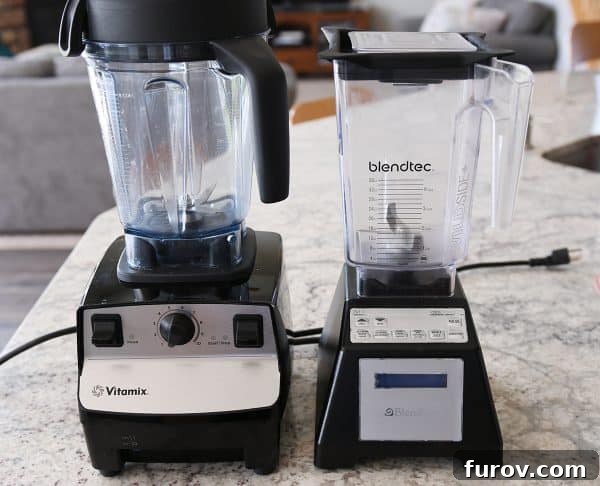
While the market offers a vast array of blenders, both high-powered and conventional, I’m focusing solely on Blendtec and Vitamix today. This is primarily because they are the brands I receive the most inquiries about, and more importantly, they are the only ones I have owned and rigorously tested firsthand. For this comparison, I’ve selected two relatively comparable models that align closely with my own past and current blenders: the Blendtec Classic 575 and the Vitamix 5300. Let’s delve into their characteristics and performance.
Cost and Value: A Significant Investment
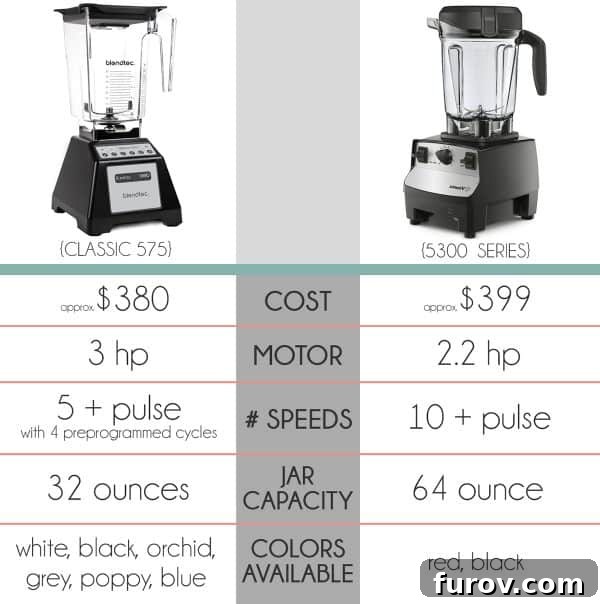
When considering a high-performance blender, the initial cost is often a significant factor. For the specific models being compared, the Blendtec Classic 575 and Vitamix 5300, prices are generally quite comparable, typically ranging in the mid to high hundreds. However, it’s worth noting that both brands offer professional series blenders that can easily exceed $800, pushing into the premium appliance category. The good news is that both Blendtec and Vitamix also provide certified refurbished options, which can offer substantial savings without compromising on quality or warranty. Investing in a high-end blender is a long-term commitment, so evaluating the value proposition – including durability, performance, and warranty – is crucial for making a sound purchase decision.
Performance and Power: Blending Capabilities Under the Microscope
Delving into the core function of these machines, performance and power are paramount. Both Blendtec and Vitamix blenders boast impressive horsepower ratings, often in the 2-3 HP range. It’s important to remember that these figures typically represent *peak* power, a maximum output rarely sustained during regular use. In operational terms, both the Blendtec Classic 575 and Vitamix 5300 typically operate around 1,400 to 1,500 watts, translating to roughly 2 horsepower under consistent load. So, on paper, there isn’t a dramatic difference in raw power.
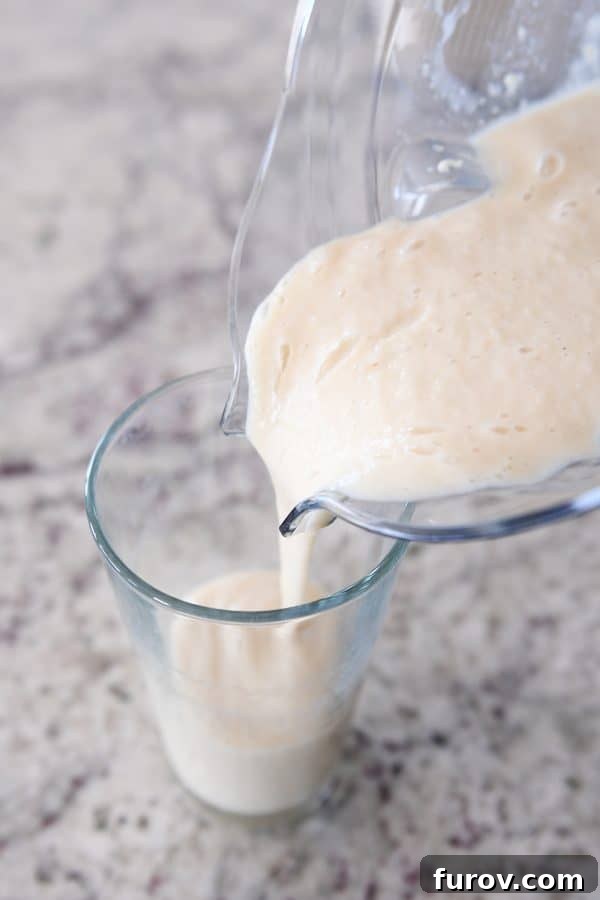
However, my practical experience reveals a distinct preference: I have found the Vitamix to be significantly more effective and efficient in its blending capabilities. While both blenders are perfectly capable of producing velvety smooth milkshakes and lump-free smoothies, the journey to that perfect consistency differs. The Vitamix consistently achieves superior results more quickly, requiring less intervention and fewer blending cycles than the Blendtec.
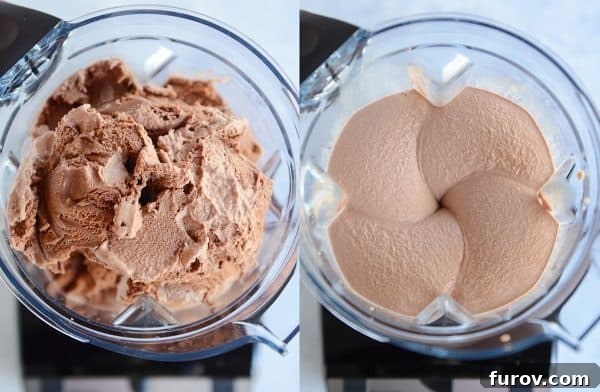
For instance, preparing our morning smoothies with the Blendtec often necessitated restarting the cycle multiple times to achieve the desired smoothness. With the Vitamix, a simple adjustment of the speed dial to a 5 or 6, followed by 30-45 seconds of blending, yields perfect results every time. This notable difference in efficiency can be attributed to three key factors:
Jar Design: The Foundation of Blending Dynamics
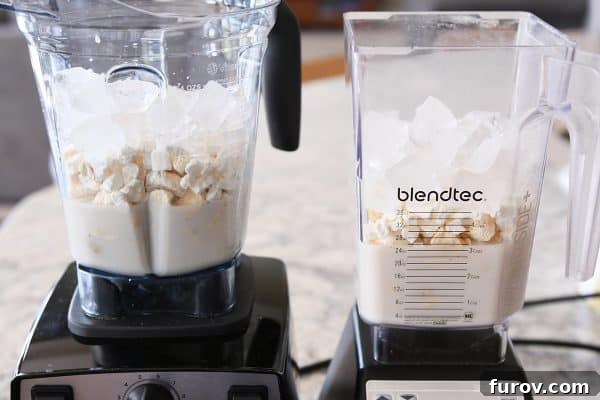
While the Vitamix jar design has a few drawbacks (which I’ll discuss later), its low-profile, 64-ounce container, with its wider and squatter shape, contributes significantly to its superior blending functionality. The broader base creates a more effective vortex, pulling ingredients down into the blades more efficiently. This increased surface area at the bottom of the jar facilitates smoother, quicker blending, especially when dealing with larger batches or thicker mixtures, leading to a more consistent output.
The Indispensable Tamper: A Game Changer for Thick Blends
The Vitamix tamper, a tool absent from Blendtec blenders, is a source of much debate among users. Some swear by it, while others find it an unnecessary accessory. I fall firmly into the former camp. While it does add an extra piece to clean, its utility for thick mixtures is unmatched. I don’t use it for every blend, but for notoriously dense concoctions like overly frozen fruit smoothies, decadent chocolate milkshakes, or homemade nut butters, the tamper is invaluable. It effectively pushes ingredients into the blades, preventing air pockets and ensuring a smooth, consistent blend without the need to stop and scrape the sides of the jar. This continuous blending action significantly reduces processing time and improves texture.
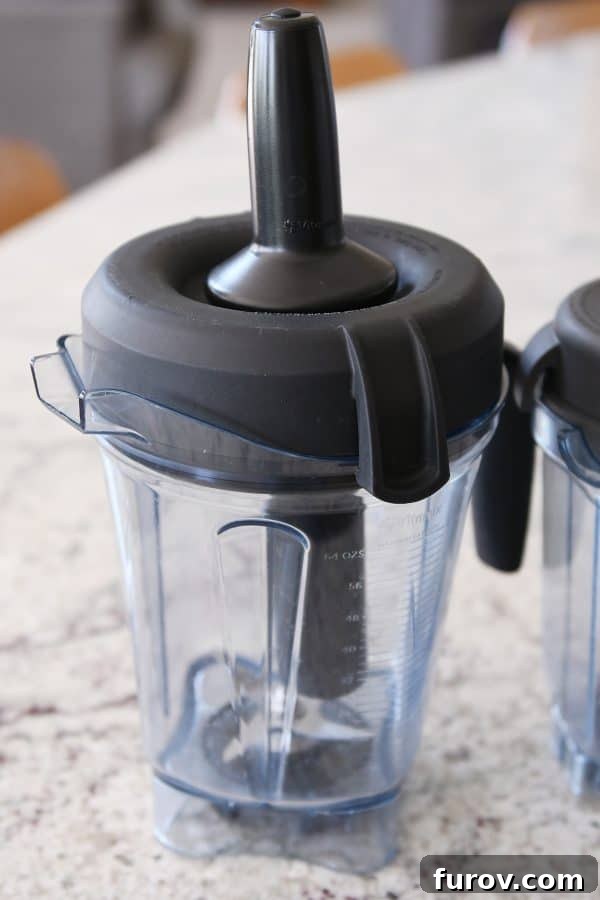
Unlike Blendtec, where one might frequently stop the blender to stir contents with a spoon, the Vitamix tamper allows for seamless, uninterrupted blending. Crucially, its design includes a safety edge that prevents it from ever touching the blades, allowing you to use it confidently while the machine is running.
Noise Levels: A Shared Reality of High Power
Regarding noise, let’s be blunt: both blenders are loud. There’s simply no escaping the high decibel output that comes with such powerful motors and rapid blade rotation. While scientific tests might reveal marginal differences, in real-world usage, the perceived loudness of a Blendtec versus a Vitamix is not significantly different. Expect a robust roar from either machine, a minor trade-off for the immense power they deliver.
Design, Options, and Ease of Use: A Matter of Preference
Beyond raw power, the user interface and overall design contribute significantly to the blending experience. Here, Blendtec and Vitamix offer distinct philosophies.
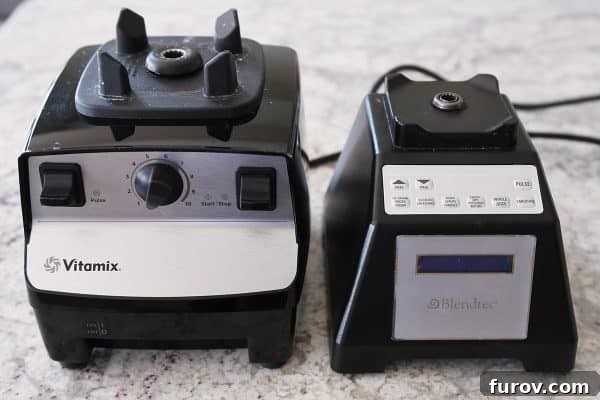
The Blendtec, particularly models like the Classic 575, often features a digital interface with a variety of pre-programmed cycles. These cycles are designed for specific tasks like smoothies, whole juice, batters, or ice cream, aiming for one-touch convenience. In my experience, the Blendtec acts like a swift, energetic workhorse, quickly tackling tasks with its pre-set functions.
The Vitamix, on the other hand, embraces a more minimalist and manual approach. Models like the 5300 typically feature a simple start/stop switch, a pulse button, and a variable speed dial. This design provides precise manual control over the blending process, allowing users to fine-tune speed and consistency. I see the Vitamix as a gentle, rumbling, yet incredibly hardworking giant, relying on its robust power and the user’s control rather than pre-programmed automation.
Jar Configurations: Tailoring to Family Size and Needs
The size and type of blending jar are critical considerations. The standard 64-ounce Vitamix jar, while excellent for large families or bulk meal prep, can be impractical for individuals or smaller households. Its large volume means smaller batches of items like salad dressings or sauces don don’t blend as effectively, struggling to create the necessary vortex. This often requires an additional, smaller jar for versatility.
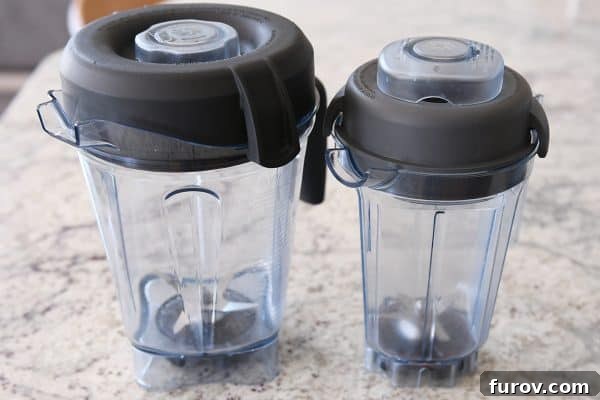
A significant advantage of Blendtec blender packages is their frequent inclusion of multiple jars. For example, many come with both the classic 32-ounce jar and the “WildSide+” 36-ounce jar, offering immediate flexibility. During my Blendtec ownership, I also acquired the Twister jar, which was exceptional for small batches like sauces, dressings, and grinding dry ingredients. I genuinely missed this versatility when I initially switched to Vitamix.
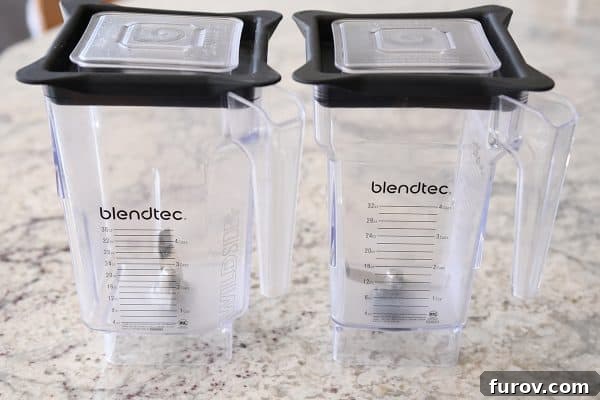
To overcome the limitations of the large Vitamix jar for smaller tasks, I eventually purchased a separate 32-ounce jar. This added expense, while worth it for my multi-tasking blending needs, highlights a potential drawback for Vitamix users who might prefer an all-inclusive package with varying jar sizes.
Footprint and Storage: Considering Kitchen Real Estate
It’s undeniable that the Vitamix is a more substantial appliance. Its base is noticeably taller and wider than the Blendtec. For those with limited kitchen counter or cupboard space, this can be a crucial factor. Storing the Vitamix base and its associated jars requires more dedicated space, a consideration that became evident in my own kitchen after making the switch.
Cleaning and Maintenance: Keeping Your Blender Pristine
When it comes to cleaning, both Blendtec and Vitamix blenders share a similar and relatively easy process. The universally recommended method involves adding warm water and a drop or two of dish soap to the jar, then pulsing or running the blender on a medium speed for about 30-60 seconds before rinsing thoroughly. This self-cleaning function is incredibly convenient and effective for most residues. While I often opt for a quick hand wash, which takes less than a minute, the jar configurations and lids of both brands don’t present significant differences in cleaning effort.
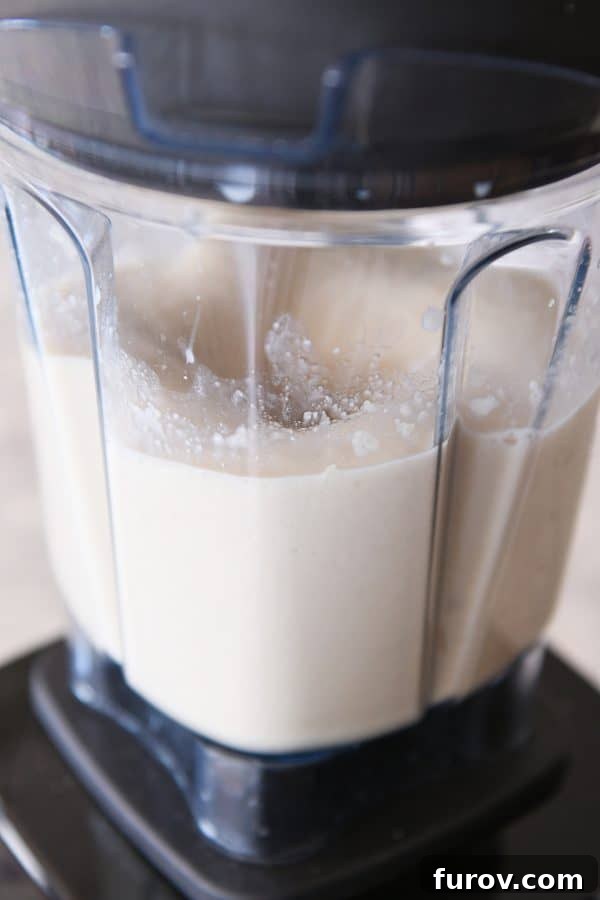
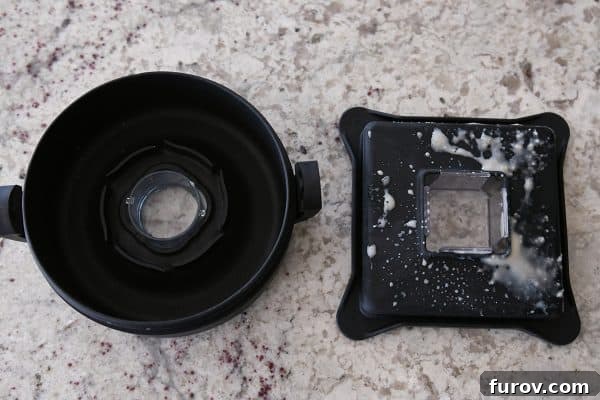
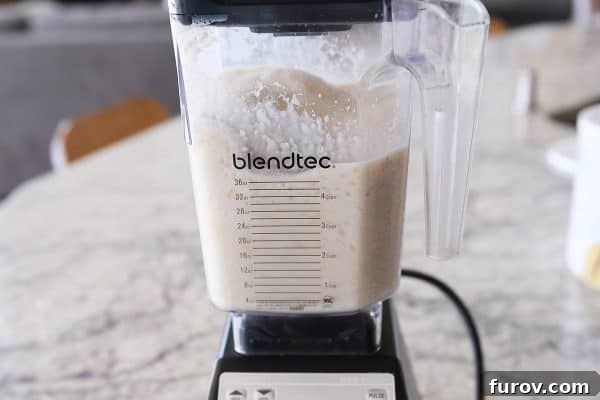
However, one minor distinction I’ve observed pertains to splashing. The Blendtec tends to be much more “energetic” during blending, often resulting in more splatters around the lid and the base. The Vitamix, consistent with its “gentle giant” demeanor, seems to contain ingredients more effectively, leading to a cleaner blending experience. This difference, while minor, can be seen in the condition of the lids after blending identical batches of smoothies.
Durability and Longevity: A Critical Long-Term Factor
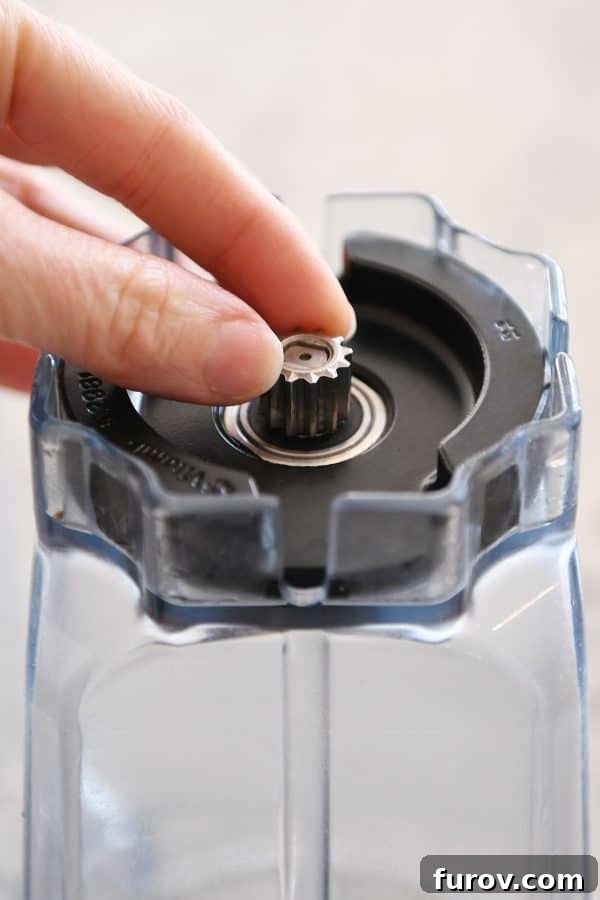
Durability is arguably one of the most critical aspects when investing in a high-end appliance. My personal experience with Blendtec blenders over 6-7 years revealed a recurring issue: the motor burned out twice with fairly average daily use. This was despite adhering to best practices: I never stored liquids or food in the jars overnight, rarely made extremely thick concoctions beyond milkshakes, and consistently applied a crucial tip I learned from a Costco salesman years ago – always twist the bottom of the driveshaft that spins the blades before use.
This “driveshaft twist” involves gently rotating the metal driveshaft extending from the bottom of the blender jar with your fingers before placing it on the base. If you notice any sticking or resistance, a good manual spin helps loosen it. The rationale, as explained to me, is that this prevents the driveshaft and blades from sticking during the initial moments of blending, thereby maintaining their optimal spinning condition and potentially extending motor life. It’s a simple, habitual step that I believe contributes to the longevity of any blender.
While Blendtec consistently honored their warranty with refurbished replacements, some customer service interactions were challenging and frustrating. Ultimately, after my last Blendtec replacement began exhibiting display problems and emitted a burning smell during smoothie preparation, I decided to move on and try Vitamix.
Having used my Vitamix for just over a year, I cannot yet definitively claim it is *more* durable than a Blendtec in the long run. However, I have experienced zero issues so far, aligning with the positive long-term reports from my father, who has owned a Vitamix for several years without problems. Conversely, many friends have enjoyed years of trouble-free use with their Blendtec blenders. My personal experience, however, left me feeling that my Blendtec blenders did not live up to the durability and longevity I had anticipated from a premium appliance.
The Verdict: Which High-Powered Blender Reigns Supreme?
After this extensive deep dive into the features and performance of Blendtec and Vitamix, you might be wondering: which blender truly is the best choice? The answer, as with most significant kitchen appliance purchases, is multifaceted and depends heavily on individual priorities and circumstances.

Factors such as your budget, the specific model you’re eyeing, the size of your household (influencing jar size needs), available kitchen storage space (remember, Vitamix generally has a larger footprint), and your preference for pre-programmed settings versus manual control, all play a crucial role in determining the ideal blender for you.
However, drawing from over six years of experience with various Blendtec blenders and more than a year with my Vitamix 5300, I can confidently state that the Vitamix is my personal winner. It consistently delivers a superior blend, is remarkably intuitive to use, and the integrated tamper is an invaluable tool for achieving perfectly smooth, thick mixtures without hassle. Despite comparable horsepower ratings, the Vitamix feels more robust and efficient in operation.
Ultimately, the Vitamix is the high-performance blender I wholeheartedly recommend to others. However, I recognize that its characteristics may not align with everyone’s specific needs or preferences. For those who prioritize a compact design, a suite of pre-programmed settings, or find the included two-jar system of Blendtec more appealing, a Blendtec could indeed be the better fit.
Now it’s your turn! I know many of you have strong opinions on your kitchen appliances. Share your experiences in the comments below: do you own a high-powered blender? Which brand and model, and what do you love (or perhaps dislike) about it? Your insights are invaluable to others navigating this exciting, yet often perplexing, world of blenders!
Disclaimer: I am a participant in the Amazon Services LLC Associates Program, an affiliate advertising program designed to provide a means for me to earn fees by linking to Amazon.com and affiliated sites. As an Amazon Associate I earn from qualifying purchases.