
Mastering the Art of Homemade Macaroni Grill Rosemary Bread: A Free-Form Delight
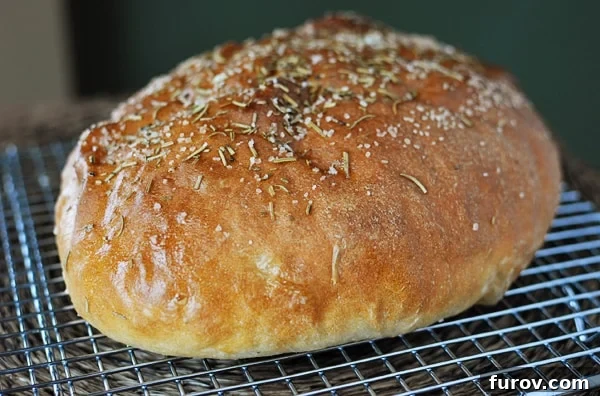
This easy freeform Macaroni Grill rosemary bread is not just soft and fluffy; it’s a deeply infused masterpiece of flavor that promises to elevate any meal. Crafted with fresh rosemary and a touch of coarse salt, it stands as one of the most irresistible breads you’ll ever bake—and it’s simpler than you might imagine.
For years, the legendary rosemary bread from Macaroni Grill has captured the hearts (and palates) of countless diners. Surprisingly, I confess to never having tasted the restaurant’s famous version myself. Yet, its reputation precedes it, often surfacing in casual conversations and inspiring a sense of culinary curiosity. The sheer buzz around this bread sparked a mission: to recreate its magic in my own kitchen, and perhaps, even surpass it.
My journey began by drawing inspiration from a thoughtful recipe shared by my sister-in-law, Mary, combined with notes from a cherished collection cookbook I’ve owned for ages. Through a process of merging, adapting, and refining these recipes, I embarked on creating a homemade version that captures the essence of this much-talked-about bread. The result? A bread that truly lives up to its hype, and then some.
A Culinary Revelation: The Unforgettable Taste of Rosemary Bread
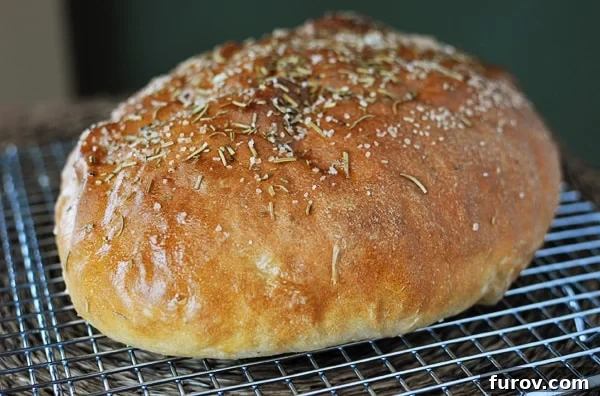
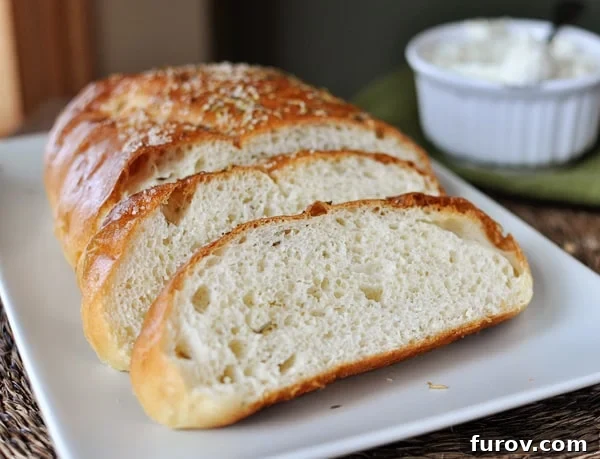
From the very first bite, this bread is nothing short of extraordinary. It boasts a light, tender crumb that practically melts in your mouth, enveloped by the aromatic embrace of fresh rosemary. Each slice is subtly enhanced by the delightful crunch and hint of saltiness from coarse salt generously sprinkled on top. Whether enjoyed plain, or elevated by a dip into high-quality balsamic vinegar and olive oil, its flavor profile is complex yet utterly comforting. It’s a bread that transcends ordinary expectations, proving itself over-the-top delicious in every aspect.
The experience of this homemade rosemary bread goes beyond simple enjoyment; it’s a full-sensory delight. The moment it emerges from the oven, your kitchen will be filled with an intoxicating scent—a warm, earthy aroma mingling with the distinct fragrance of rosemary. This bread isn’t just food; it’s an invitation to savor, to share, and to fall in love with the simple pleasure of freshly baked goodness. Its tender interior and perfectly crisp crust create a textural harmony that makes it truly addictive.
The Allure of Garlic Herb Butter: A Perfect Pairing
I must confess, dear readers, to the sheer number of slices of this bread I consumed, luxuriously slathered with whipped herb butter. While I’ve always appreciated a good bread and butter combination, this rosemary bread elevates the experience to an entirely new level, satisfying every imaginable carb craving and then some. It’s a pairing so sublime, it led to a personal culinary epiphany.
Here’s a revelation I scarcely believe I’m making: for the first time in my life, I found myself choosing a slice (or perhaps four) of this rosemary bread, smothered in a rich garlic and herb butter concoction, over an offering of dark chocolate. Yes, you read that correctly. A devout chocolate lover, I was swayed by the sheer perfection of this bread. It truly made me question my culinary identity, a testament to its extraordinary appeal.
Simplicity in Baking: Free-Form and Fantastic
One of the most appealing aspects of this rosemary bread recipe is its remarkable simplicity. It’s not complicated in the least, and its free-form nature eliminates the need for specialized bread pans. This means you can achieve beautiful, rustic loaves with minimal fuss, making it accessible even for novice bakers. The freedom of shaping allows for a more artisanal look and feel, enhancing the homemade charm. Truly, this bread is worth every moment of its creation.
The beauty of free-form baking lies in its forgiving nature. You don’t need to worry about perfectly precise shapes; the rustic elegance comes from its natural contours. This method encourages a hands-on approach, allowing you to connect with the dough and the ancient art of bread-making. It’s a liberating experience that results in two generous loaves—enough to share, or, as I often find, enough to indulge in completely before realizing they’re all gone. My earnest hope is that at least one of your loaves makes it to the freezer, or to a grateful neighbor, or perhaps to a worthy cause, because resisting this bread is a formidable challenge!
Crafting Your Own Masterpiece: The Macaroni Grill Rosemary Bread Recipe
Macaroni Grill Rosemary Bread
2
loaves
2 hrs
15 mins
20 mins
2 hrs
35 mins
Pin Recipe
Ingredients
- 1 tablespoon instant yeast or 1 1/2 tablespoons active dry yeast
- 1 tablespoon sugar
- 1 ½ cups warm water
- 2 ¾ – 4 cups all-purpose flour (see note)
- 1 ½ teaspoon salt
- 2-3 tablespoons fresh rosemary, chopped and divided
- 2 tablespoons butter, melted
- Coarse salt for sprinkling
Instructions
-
In a large bowl (or the bowl of an electric stand mixer if you have one), combine the yeast, sugar and warm water. If using active dry yeast, let the mixture stand until foaming and bubbly, about 5 minutes. If using instant yeast, you can proceed immediately. Add two cups of the flour, salt and 1 1/2 – 2 tablespoons of the chopped rosemary. Mix well. Continue adding flour gradually, until a soft, slightly tacky dough is formed. The dough should hold its shape and feel soft and smooth. Knead the dough by hand or with an electric mixer for 4-5 minutes. Add additional flour sparingly, only if the dough is excessively sticky and doesn’t pull away cleanly from the sides of the bowl.
-
Transfer the kneaded dough to a lightly greased bowl. Cover it securely with greased plastic wrap. Allow the dough to rise in a warm place until it has doubled in size, which typically takes 1-2 hours depending on your kitchen’s temperature. Once doubled, gently deflate the dough and divide it into two equal halves. Prepare a rimmed baking sheet by lining it with parchment paper, a silicone baking mat (silpat), or by lightly greasing it with cooking spray. Shape each dough half into a smooth, oval-shaped loaf. Place them on the prepared baking sheet, ensuring they have ample space to rise and bake without touching each other. Using a pastry brush, liberally apply the melted butter over the tops of both loaves until all the butter is used. Sprinkle the remaining chopped rosemary over the buttered loaves, gently patting it into the dough if necessary to help it adhere. Cover the loaves again with lightly greased plastic wrap and let them rise for a second time until they appear puffy and nearly doubled, approximately one hour (again, adjust time based on temperature and visual cues).
-
Preheat your oven to 425 degrees Fahrenheit (220 degrees Celsius). Just before baking, lightly sprinkle coarse salt over the top of the risen loaves. Bake the loaves for 18-20 minutes, or until they are beautifully golden brown and fully baked through. The internal temperature should register around 200-210°F (93-99°C). Carefully transfer the baked loaves to a wire cooling rack to cool completely before slicing and serving.
Notes
Flour Choices: I often find excellent results using a blend of half to 3/4 finely ground white whole wheat flour along with all-purpose flour. For those who enjoy a more robust flavor and denser texture, using 100% finely ground white whole wheat flour is an option, though it will result in a slightly more substantial loaf. If incorporating any amount of whole wheat flour, consider adding a few extra minutes to the kneading time; this helps develop the gluten more effectively, ensuring a good rise and texture.
Rosemary – Fresh vs. Dried: This recipe was originally posted using dried rosemary, but I quickly discovered the significant difference fresh rosemary makes. The flavor is noticeably more vibrant and fragrant, truly enhancing the bread’s character. If fresh rosemary is available (it’s usually found in the produce section of most grocery stores), I highly recommend using it. If fresh isn’t an option, dried rosemary will work as a substitute in a pinch. When using dried, reduce the quantity to 1 1/2 tablespoons total (1 tablespoon mixed into the dough and the remaining 1/2 tablespoon sprinkled on top).
Mel
Bread
American
Bake
Recommended Products
Recipe Source: This recipe is a thoughtful adaptation, drawing inspiration from a treasured collection cookbook given to me by my sister-in-law Erin W., and a fantastic recipe shared by my other sister-in-law, Mary G. Their culinary contributions were instrumental in perfecting this delightful bread.
Tips for Perfect Rosemary Bread Every Time
Achieving the perfect loaf of rosemary bread is a rewarding experience, and a few key tips can help ensure your success. First, pay close attention to the dough’s texture. The recipe provides a flour range because humidity and specific flour types can affect absorption. Aim for a dough that is soft, smooth, and slightly tacky, but not so sticky that it clings stubbornly to your hands or the mixing bowl. Trust your instincts and the feel of the dough over a precise measurement of flour.
Secondly, patience during the rising process is crucial. Yeast works best in a warm environment, so finding a cozy spot in your kitchen can speed things along. However, don’t rush it; allowing the dough to rise sufficiently develops its flavor and creates that coveted airy, fluffy texture. Visual cues—when the dough has visibly doubled in size and feels puffy—are more important than strict adherence to timeframes.
The Magic of Fresh Rosemary: A Flavor Boost
While dried rosemary will work, using fresh rosemary truly elevates this bread from delicious to divine. Fresh herbs release their essential oils more readily, infusing the dough with a vibrant, earthy, and slightly piney flavor that dried herbs simply can’t replicate. When chopping the fresh rosemary, aim for a fine chop to ensure the flavor is evenly distributed throughout the dough without overwhelming any single bite. The visual appeal of green flecks throughout the golden crust is an added bonus.
Flour Variations for Every Baker and Preference
Experimenting with different flours can personalize this recipe to your taste. As noted in the recipe, incorporating finely ground white whole wheat flour adds a nutty depth and increased nutritional value without significantly altering the texture. If you’re new to whole wheat baking, start by substituting a quarter to a third of the all-purpose flour with whole wheat. For seasoned bakers, or those desiring a heartier loaf, going up to 100% white whole wheat flour is certainly an option, just remember it will yield a denser bread, and a slightly longer kneading time will help strengthen the gluten structure.
Serving Suggestions: Beyond the Butter (Though Butter is Always Good!)
While this rosemary bread is undeniably spectacular with butter—especially a homemade garlic herb butter—its versatility extends far beyond. Consider serving it as an accompaniment to a hearty Italian pasta dish or a robust soup. It’s fantastic for dipping into olive oil with a splash of balsamic vinegar, creating a simple yet elegant appetizer. Leftovers, if you’re lucky enough to have any, make incredible sandwiches or can be toasted and topped with bruschetta for a quick snack. Its savory notes also pair wonderfully with cheeses and charcuterie, making it a perfect addition to any entertaining spread.
Why This Homemade Rosemary Bread Will Become Your New Obsession
This homemade Macaroni Grill rosemary bread is more than just a recipe; it’s an experience. Its effortless preparation, combined with its undeniably delicious flavor and aroma, makes it a staple in any home baker’s repertoire. The satisfaction of pulling warm, fragrant loaves from your oven, knowing you created such a culinary delight from scratch, is unparalleled. It’s a bread that brings people together, sparks conversation, and leaves a lasting impression. Prepare to fall deeply in love with its soft texture, fragrant rosemary, and savory finish. It’s a truly rewarding baking project that yields spectacular results every single time.