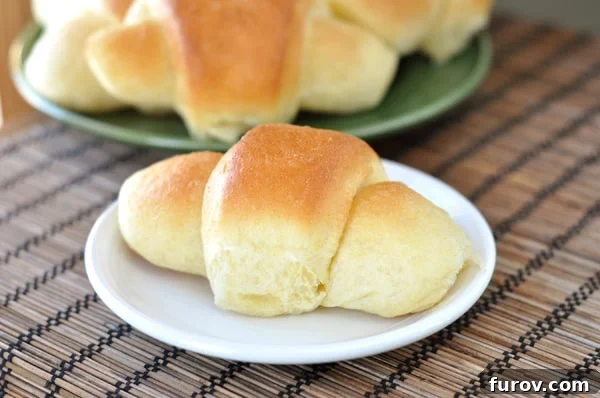
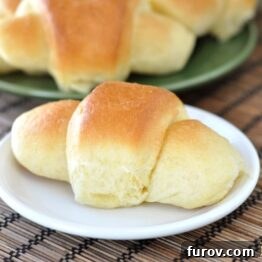
Light, flaky, and exceptionally soft and tender, these buttery cornmeal crescent rolls are a true indulgence, perfect for elevating any meal or special occasion. Prepare to impress with their unique texture and irresistible flavor.
Buttery Cornmeal Crescent Rolls: A New Family Favorite
A few weeks ago, my Aunt Marilyn, whose culinary judgment I trust implicitly, sent me a new roll recipe. The intriguing part? It used cornmeal and milk as its base. Naturally, I approached it with a healthy dose of skepticism. After all, I didn’t feel the “need” for another roll recipe. My kitchen already boasts an arsenal of beloved go-to recipes, including Lion House Dinner Rolls, Thanksgiving Dinner Rolls, and classic Parker House Rolls, all of which I use frequently and adore. My baking energy is usually reserved for discovering new double-chocolate dessert creations, not adding to my already extensive roll repertoire.
From Skepticism to Absolute Favorite: The Story of These Rolls
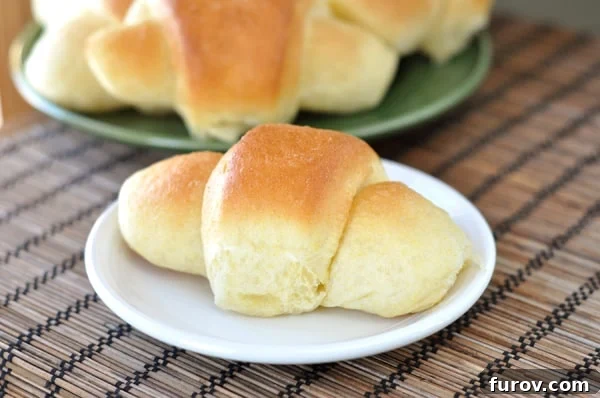
Despite my initial reservations, a recipe from Aunt Marilyn is never to be ignored. So, I decided to give these cornmeal crescent rolls a try. What an understatement to say I was pleasantly surprised! These rolls didn’t just meet my expectations; they completely surpassed them, skyrocketing straight to the top of my “favorite rolls” list. I feel a tiny pang of disloyalty to my long-standing beloved recipes, but the truth must be told: these rolls are unbelievably delicious. Their unique qualities have captivated my taste buds, making them an instant sensation in my kitchen.
The proof of their newfound favoritism is in the baking. In just the last three weeks, I’ve made them six times – yes, *six*! This included baking a hundred of them for a church function, where they were devoured with enthusiastic praise. Their unparalleled appeal stems from a magical combination of textures and flavors. They are wonderfully light, airy, and boast an incredible flakiness that makes each bite a delight. The butteriness is rich and decadent, giving them an indulgent quality. While the cornmeal doesn’t present a strong, dominant flavor, it imparts a subtle, pleasing texture and an essential lightness that defines these beauties. It’s this delicate balance that makes them utterly irresistible.
I find myself in a delightful, carb-induced nirvana, and I simply cannot stop making them. These rolls have become a true obsession, and I wholeheartedly invite you to join me in experiencing the sheer joy of baking and savoring these extraordinary creations.
The Secret Behind the Fluffy Texture: The Magic of Cornmeal
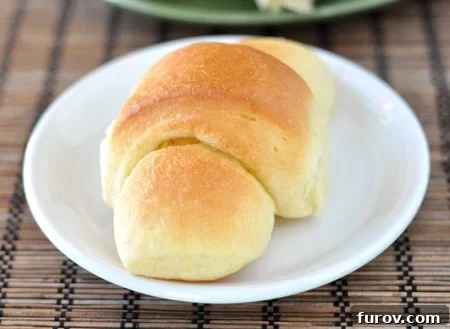
What sets these crescent rolls apart from traditional recipes is the incorporation of cornmeal. This seemingly small addition makes a monumental difference in the final product. Unlike many other rolls that can sometimes feel dense or heavy, the cornmeal in this recipe creates an incredibly light and airy crumb. It contributes to a tender interior that practically melts in your mouth, while still allowing for that satisfying buttery flakiness on the outside. The cornmeal’s subtle presence doesn’t overpower the classic roll flavor; instead, it enhances it, adding a nuanced texture that you’ll quickly come to appreciate and crave. This unique characteristic is what makes these rolls not just good, but truly exceptional.
Whether served alongside a hearty dinner, as a delightful breakfast pastry, or as a comforting snack, these buttery cornmeal crescent rolls are versatile enough for any occasion. Their irresistible charm makes them a crowd-pleaser, perfect for holiday gatherings, family meals, or simply as a treat for yourself. Once you experience the unparalleled softness and delicate texture that the cornmeal provides, you might just find yourself, like me, questioning why you ever settled for ordinary rolls.
FAQs for Buttery Cornmeal Crescent Rolls
Preparing these delicious rolls in advance is quite simple. The best method I’ve found is to make the dough, allow it to complete its first rise, then shape the rolls as directed. Once shaped, arrange them on your baking sheets, cover lightly with greased plastic wrap, and refrigerate them overnight. This slow, cold proofing allows the flavors to develop beautifully. If refrigerator space is an issue, you can also place the un-risen dough directly into the fridge after mixing. It will likely undergo a slight rise overnight. The next day, simply remove it from the fridge and let it come to room temperature and complete its full rise before baking.
For those looking to incorporate whole grains, these rolls adapt beautifully to wheat flour. I’ve had excellent results using a 50% wheat flour and 50% white flour blend. The rolls maintain a wonderful texture and still rise beautifully, offering a slightly heartier, nuttier flavor without compromising on the desired lightness. If you venture beyond 50% wheat, consider using finely ground white whole wheat flour for the best results, as it tends to be less dense than traditional whole wheat.
Absolutely! These buttery cornmeal crescent rolls freeze exceptionally well, making them ideal for meal prep or having homemade rolls on hand whenever a craving strikes. Simply bake and cool the rolls completely, then transfer them to freezer-safe ziploc bags or an airtight container. When you’re ready to enjoy them, gently rewarm them in a low oven or microwave until soft and fragrant. The texture remains remarkably good, almost as if they were freshly baked.
One Year Ago: Schoolyard Cupcakes
Two Years Ago: The Best Blueberry Muffins
Three Years Ago: Solid Peanut Butter Cups
Buttery Cornmeal Crescent Rolls Recipe
Pin
Rate
Save
Ingredients
- 2 cups milk
- ⅔ cup (113 g) yellow corn meal
- 1 ½ tablespoons instant yeast
- ½ cup (113 g) 1 stick butter
- ⅓ cup (71 g) granulated sugar
- 1 teaspoon salt
- 3 large eggs
- 5 ½ – 6 cups (781-852 g) all-purpose flour (see note)
Instructions
-
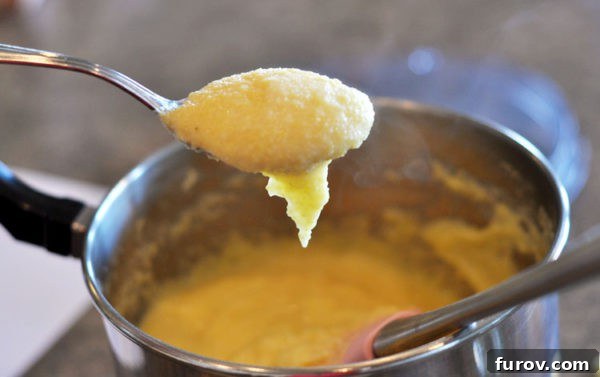
To begin, gently heat the milk in a saucepan until it reaches just below a boil. You’ll know it’s ready when small bubbles start to form around the edges (this process is called scalding). Immediately add the yellow cornmeal to the hot milk and cook, stirring continuously, until the mixture visibly thickens. Be sure to lower the temperature if necessary to prevent it from boiling vigorously. The consistency should be similar to a thick porridge, as shown in the picture below the recipe details.
-
Once thickened, transfer the cornmeal and milk mixture into the bowl of a stand mixer or a large mixing bowl. Allow it to cool down until it is lukewarm to the touch. This step is crucial to prevent killing the yeast. Then, add the instant yeast, softened butter, and granulated sugar. If you are using active dry yeast, you would have already dissolved it in a bit of warm water and sugar until foamy; add that activated yeast mixture now. Mix these ingredients thoroughly until well combined.
-
Next, add the salt and the large eggs to the mixture. Mix well again, ensuring all ingredients are fully incorporated. Begin adding the all-purpose flour gradually, a cup at a time, mixing after each addition, until a soft, pliable dough forms. The dough should be slightly sticky but manageable. Once the dough comes together, knead it for 5-8 minutes. If using a stand mixer, use the dough hook attachment. Kneading develops the gluten, which is essential for the rolls’ light and airy structure.
-
Lightly grease a large bowl and transfer the kneaded dough into it. Turn the dough once to coat it lightly with oil. Cover the bowl with lightly greased plastic wrap, creating a snug seal. Place the bowl in a warm, draft-free spot and let the dough rise until it has doubled in size, which typically takes about 1 to 1.5 hours, depending on your kitchen’s temperature.
-
Once the dough has doubled, gently punch it down to release the air. Divide the dough into three equal portions. On a lightly floured surface, take one portion and roll it out into a circle approximately 8-10 inches in diameter. Using a pastry brush, lightly coat the entire surface of the dough circle with melted butter. Then, using a pizza cutter or sharp knife, cut the circle into 8 even wedges, like slices of a pie. Starting from the wide end of each wedge, tightly roll it up towards the pointed end, forming the classic crescent roll shape. Repeat this process for the remaining two portions of dough.
-
Arrange the shaped crescent rolls on a lightly greased baking sheet or one lined with parchment paper or a silicone baking mat. Ensure to space the rolls about 1-2 inches apart to allow ample room for them to expand during their second rise. Lightly cover the baking sheets with greased plastic wrap to prevent the dough from drying out. Let the rolls rise again in a warm spot until they have doubled in size. This second rise usually takes about 30-45 minutes.
-
While the rolls are completing their second rise, preheat your oven to 350°F (175°C). Once the rolls are perfectly puffy and doubled, bake them in the preheated oven for 10-12 minutes, or until they turn a beautiful golden brown on top and feel light when lifted. As soon as you remove them from the oven, brush the warm rolls generously with additional melted butter. This step enhances their buttery flavor and gives them a lovely sheen. Serve them warm and enjoy!
Notes
Flour Amount Guidance: When working with any yeast dough, it’s important to remember that the exact flour amount specified in a recipe is often a guideline, not a strict rule, especially when not given by weight. Factors like humidity, ambient temperature, and even altitude can significantly affect how much flour your dough will absorb. Instead of adhering rigidly to the cups measure, I always judge when to stop adding flour by the dough’s texture, appearance, and feel. The goal is a soft, slightly tacky dough that pulls away from the sides of the bowl but is still somewhat sticky to the touch. It should feel elastic and resilient. For a comprehensive understanding of ideal dough consistency, this tutorial on working with yeast can be very helpful.
Whole Wheat Flour Variations: For those seeking a healthier alternative, these rolls can be made with whole wheat flour. I often substitute half to three-quarters of the all-purpose flour with finely ground white whole wheat flour, achieving excellent results with a slightly nuttier flavor. Occasionally, I even use 100% finely ground white whole wheat flour, though this does result in a slightly denser bread compared to the all-white flour version. If you choose to use any amount of whole wheat flour, I recommend adding a few extra minutes to the kneading time. This helps to properly develop the gluten in the whole wheat flour, which is crucial for achieving the best possible rise and texture in your rolls.
Recommended Products
Recipe Source: This incredible recipe was adapted slightly from my dear Aunt Marilyn, who originally received it from her friend, Anne K. Their shared wisdom has brought this gem to my kitchen, and now to yours.
Below is a visual guide to ensure your cornmeal and milk mixture achieves the perfect consistency after cooking and thickening. It should be thick enough to coat the back of a spoon, resembling a creamy, smooth paste before cooling and combining with other ingredients.