
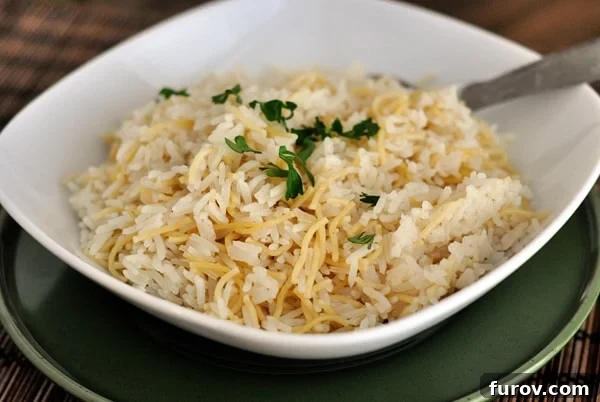
Every kitchen needs a collection of reliable, versatile recipes – those unsung heroes that consistently deliver comfort and flavor without demanding a culinary marathon. While the internet is often abuzz with viral, show-stopping dishes, there’s an undeniable charm and essential utility in mastering the basics. Among these foundational recipes, a truly simple and flavorful rice pilaf recipe stands out as an indispensable staple. It may not garner the same dazzling headlines as a gourmet dessert or an elaborate entrée, but its quiet perfection and adaptability make it a star in its own right, consistently earning a cherished spot in weekly dinner rotations.
This particular simple rice pilaf isn’t just easy; it’s a testament to how humble ingredients, when combined with thoughtful technique, can create a side dish that’s far more than the sum of its parts. With its delicate texture, fragrant aroma, and subtle depth of flavor, it transforms from a mere accompaniment into a memorable component of any meal. Whether you’re a seasoned home cook or just starting your culinary journey, having this foolproof pilaf recipe in your repertoire is a game-changer, promising consistently delicious results every time.
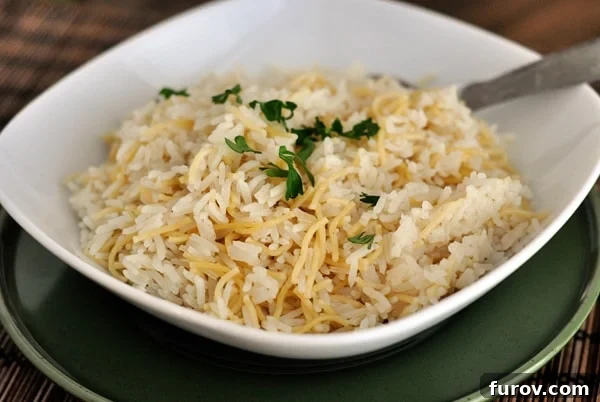
Simple & Fluffy Rice Pilaf: Your Go-To Side Dish
The beauty of this simple rice pilaf lies in its incredible versatility and approachable preparation. It’s the kind of dish that effortlessly elevates a weeknight dinner, yet feels special enough for a weekend feast. What makes it truly exceptional is its ability to complement an extensive array of main courses, from robust grilled meats to delicate seafood and vibrant vegetarian options. This recipe is designed to produce consistently fluffy, separated grains, infused with a warm, inviting flavor that enhances, rather than overwhelms, your main dish.
Why This Easy Rice Pilaf Recipe is a Must-Have in Your Kitchen
In a world saturated with complex recipes, the simple rice pilaf offers a refreshing return to culinary fundamentals. This isn’t just another rice dish; it’s a foundation that builds flavor and texture with remarkable ease. Here’s why this particular recipe deserves a permanent spot in your kitchen:
- Effortless Preparation: Forget complicated steps or exotic ingredients. This pilaf comes together quickly with basic pantry staples and a straightforward cooking method, making it perfect for busy weeknights.
- Unbeatable Flavor Profile: While simple, the flavor is anything but plain. Aromatic spices like cumin and coriander, combined with sautéed onion and garlic, create a warm, inviting base that truly shines. The subtle nuttiness from toasted vermicelli adds another layer of delicious complexity.
- Perfectly Fluffy Texture: The secret to a truly great pilaf is rice that’s light, separate, and never sticky. This recipe includes key steps, like rinsing the rice and the unique towel-steaming method, to ensure every grain is distinct and fluffy.
- Incredibly Versatile: This rice pilaf is the ultimate chameleon of side dishes. Its balanced flavor profile makes it an ideal partner for a vast range of cuisines and main courses, from Mediterranean to American comfort food. It provides a comforting and satisfying base without overpowering the star of your meal.
- Budget-Friendly: Made with readily available and inexpensive ingredients, this pilaf is a cost-effective way to create a wholesome and delicious side for your family.
Once you try this easy recipe, you’ll understand why it’s a staple. It’s more than just rice; it’s a canvas for countless meal possibilities, offering consistent quality and taste that everyone at your table will appreciate.
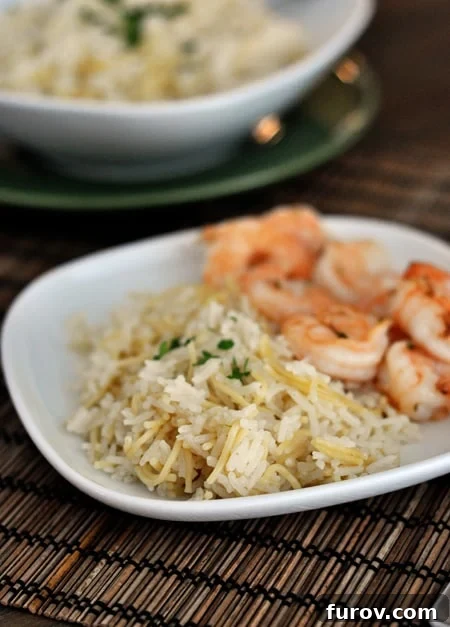
What to Serve with Your Perfect Rice Pilaf: Endless Pairing Possibilities
One of the greatest strengths of this flavorful rice pilaf is its incredible adaptability. It pairs beautifully with such a wide variety of main dishes, acting as a neutral yet aromatic canvas that complements almost any protein or vegetable. From hearty roasts to light grilled options, this pilaf is always a welcome addition. Here’s a curated list of entrees that sing alongside this classic side:
- Grilled Island Chicken
- Rosemary Chicken
- Grilled Teriyaki Chicken
- Honey Roast Chicken
- Baked Southwest Egg Rolls
- Chicken Kebabs or Beef Kebabs
- Chicken Fajitas
- Classic Chicken Cordon Bleu or the Easy Version
- Chicken Pillows
- Glazed Mini Meatloaves (especially when you’re not in the mood for potatoes)
- Brown Sugar Spiced Pork Loin
- Chili Rubbed Pork with Apricot Glaze
- Grilled Pork Chops
- Oven Baked Ribs
- Smothered Pork Chops
This extensive list truly underscores why a reliable, simple rice pilaf is a kitchen essential. It’s the unifying force that brings diverse meals together, always delivering satisfying texture and a comforting foundation.
Key Ingredients for the Best Simple Rice Pilaf
Crafting the perfect simple rice pilaf relies on a few key ingredients, each playing a crucial role in achieving its signature flavor and texture. Understanding these components will help you create a truly exceptional dish:
- Basmati or Long-Grain Rice: These rice varieties are ideal for pilaf due to their lower starch content and ability to cook up into separate, fluffy grains. Basmati, in particular, offers a wonderful aromatic quality that enhances the overall flavor. Avoid short-grain or medium-grain rice, which tend to be stickier.
- Butter: The foundation of flavor. Butter provides richness and helps toast the rice and vermicelli, contributing to a deeper, nuttier taste.
- Onion and Garlic: These aromatic staples are sautéed in butter to create a fragrant base. Minced finely, they melt into the rice, imparting essential savory notes without being overpowering.
- Cumin and Coriander: The dynamic duo of spices for this pilaf. Cumin offers a warm, earthy flavor, while coriander adds a citrusy, slightly sweet note. Together, they create the distinctive, inviting aroma and taste of classic pilaf.
- Spaghetti or Vermicelli (broken): This is a traditional pilaf ingredient that adds a delightful textural contrast and a beautiful golden hue when toasted. Breaking it into small, 1-inch pieces ensures it integrates seamlessly with the rice.
- Water: The liquid base for cooking the rice. While chicken or vegetable broth can be used for added flavor, plain water works wonderfully to let the spices and toasted grains shine.
- Table Salt: Essential for seasoning the rice and bringing out all the flavors. The right amount of salt makes a significant difference.
- Ground Black Pepper: A final touch to enhance the overall spice profile.
Each of these components, though simple, contributes significantly to the delicious result, making this simple rice pilaf a harmonious blend of textures and tastes.
Tips for Achieving Perfectly Fluffy Homemade Rice Pilaf
Making truly fluffy, non-sticky rice pilaf is an art, but it’s an easily mastered one with a few simple techniques. Follow these tips to ensure your pilaf is perfect every time:
- Rinse Your Rice Thoroughly: This is perhaps the most crucial step for preventing sticky rice. Rinsing basmati or long-grain rice under cold water, swishing gently, and draining multiple times removes excess surface starch. Continue until the water runs almost clear. This ensures the grains cook up light and separate.
- Toast the Rice and Vermicelli: Don’t skip this step! Sautéing the rinsed rice and broken vermicelli in butter with the aromatics (onion, garlic, spices) until lightly browned develops a deeper, nuttier flavor. This toasting process also helps to seal the grains, contributing to a fluffier texture.
- Proper Liquid-to-Rice Ratio: Adhering to the specified water amount is key. Too much water will result in mushy rice, while too little will leave it undercooked. For this recipe, 3 ¼ cups of water for 1 ½ cups of rice (plus vermicelli) creates the ideal environment for perfect absorption.
- Simmer on Low Heat with a Tight Lid: Once the liquid comes to a boil, immediately reduce the heat to the lowest setting. A gentle simmer ensures even cooking and prevents the bottom from burning before the top is done. A tight-fitting lid traps the steam, which is essential for cooking the rice through.
- Resist the Urge to Peek: Opening the lid frequently releases precious steam, which can disrupt the cooking process and lead to unevenly cooked or dry rice. Let the rice simmer undisturbed for the recommended time.
- The Kitchen Towel Trick: This is a game-changer! After cooking, remove the pot from the heat, take off the lid, and place a clean kitchen towel (folded in half) directly over the saucepan, then replace the lid tightly. The towel absorbs excess moisture and steam, preventing condensation from dripping back onto the rice and making it soggy. This step is critical for ultimate fluffiness.
- Allow Sufficient Resting Time: Don’t serve immediately! Letting the rice stand for 10 minutes after cooking allows the remaining steam to gently finish the cooking process and for the grains to firm up. This resting period is vital for achieving that desirable fluffy texture.
- Fluff with a Fork: Once rested, use a fork (not a spoon) to gently fluff the rice. A fork helps to separate the grains without crushing them, preserving their delicate texture.
By following these expert tips, you’ll consistently create a simple rice pilaf that’s not just a side, but a testament to perfectly cooked rice.
Simple Rice Pilaf
4
servings
10
mins
25
mins
35
mins
★
★
★
★
Pin
Ingredients
-
1 ½ cups
basmati or long-grain rice -
2 tablespoons
butter -
1 small
onion, minced (about 1/2 cup) -
2
garlic cloves, finely minced -
½ teaspoon
cumin -
½ teaspoon
coriander -
4 ounces
spaghetti or vermicelli, broken into 1-inch pieces (about 1 cup) -
3 ¼ cups
water -
1 ½ teaspoons
table salt -
Ground black pepper
Instructions
-
Place the rice in a medium bowl and add enough water to cover by 2 inches; using your hands, gently swish grains to release excess starch. Carefully pour off the water, leaving rice in bowl. Repeat four to five times, until water runs almost clear. Using a colander or fine mesh strainer, drain water from rice and set aside.
-
In a large saucepan, melt the butter over medium heat. Add the onion and sauté for 3-4 minutes, until softened but not browned. Add the garlic, cumin, and coriander and cook for another 30 seconds until fragrant.
-
Add the rinsed and drained rice and the broken, uncooked noodles to the saucepan. Cook, stirring frequently, for another 2-3 minutes until the rice and noodles are lightly browned and toasted. Stir in the water and salt and bring the mixture to a boil.
-
Reduce the heat to low, cover the saucepan with a tight-fitting lid, and simmer until all the liquid is absorbed, which typically takes about 16-18 minutes. Remove the pot from the heat, take off the lid, and immediately place a clean kitchen towel folded in half over the saucepan opening; then replace the lid tightly over the towel.
-
Let the rice stand undisturbed for 10 minutes; this crucial resting period allows the grains to steam perfectly and become exceptionally fluffy. Remove the lid and towel, fluff the rice gently with a fork, and serve immediately.
Calories: 419kcal,
Carbohydrates: 79g,
Protein: 9g,
Fat: 7g,
Saturated Fat: 4g,
Cholesterol: 15mg,
Sodium: 938mg,
Fiber: 2g,
Sugar: 2g
Recommended Products
Recipe Source: adapted from the Cook’s Illustrated Cookbook
Variations & Customizations for Your Homemade Rice Pilaf
While this simple rice pilaf recipe is perfect as is, it also serves as an excellent base for creative customizations. Feel free to experiment with these ideas to tailor it to your taste or complement specific meals:
- Add Vegetables: Stir in finely diced carrots, peas, bell peppers, or corn during the last 5 minutes of cooking for added color, texture, and nutrients. Sautéing mushrooms with the onions and garlic also adds a wonderful umami depth.
- Use Broth Instead of Water: For an extra layer of flavor, substitute chicken or vegetable broth for the water. This will deepen the savory notes of your pilaf.
- Fresh Herbs: After fluffing, stir in a handful of fresh chopped parsley, cilantro, or dill for a burst of freshness and vibrant color.
- Citrus Zest: A touch of lemon or orange zest added at the end can brighten the flavors and add an aromatic lift.
- Spicy Kick: For those who enjoy a little heat, add a pinch of red pepper flakes or a finely minced jalapeño (remove seeds for less heat) along with the garlic and spices.
- Nutty Additions: Toast slivered almonds, pine nuts, or chopped pistachios separately and stir them into the finished pilaf for an added crunch and Middle Eastern flair.
- Dried Fruits: For a touch of sweetness, incorporate a quarter cup of dried cranberries, golden raisins, or chopped apricots after the rice has rested.
Frequently Asked Questions (FAQ) About Rice Pilaf
Can I use brown rice for this pilaf recipe?
While this recipe is specifically designed for white basmati or long-grain rice, you can adapt it for brown rice. Keep in mind that brown rice requires more liquid and a longer cooking time. Typically, you’ll need about 2 cups of liquid per 1 cup of brown rice and a cooking time of around 40-45 minutes. The texture will also be chewier than white rice pilaf.
How do I prevent my rice pilaf from becoming sticky or mushy?
The key to fluffy rice pilaf lies in a few critical steps: thoroughly rinsing the rice to remove excess starch, toasting the rice and vermicelli before adding liquid, using the correct water-to-rice ratio, and allowing the rice to rest, covered with a kitchen towel, after cooking. Avoid opening the lid during cooking, as this releases steam essential for proper cooking.
Can I make rice pilaf ahead of time?
Yes, rice pilaf can be made ahead. Cooked pilaf can be stored in an airtight container in the refrigerator for up to 3-4 days. When reheating, gently warm it on the stovetop over low heat with a splash of water or broth to rehydrate, or microwave until heated through. Be careful not to overcook it.
What’s the difference between rice pilaf and regular boiled rice?
Regular boiled rice typically involves simply cooking rice in water until tender. Rice pilaf, on the other hand, starts with sautéing the rice (and often other grains like vermicelli) in fat (like butter) along with aromatics (onions, garlic) and spices. This toasting step, combined with the flavorful base, gives pilaf a much richer, deeper, and more complex flavor and a distinct fluffy texture compared to plain boiled rice.
With these tips and variations, your simple rice pilaf will not only be a consistent crowd-pleaser but also a versatile foundation for countless delightful meals. Embrace its simplicity and enjoy the delicious results!
More Delicious Side Dishes You’ll Love: