
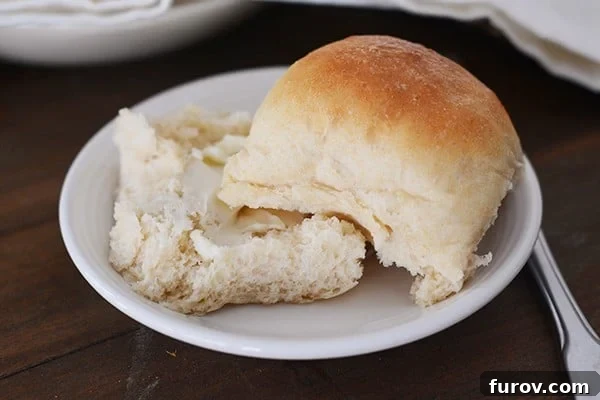
Prepare to meet the fluffiest, most incredibly delicious dinner rolls you’ve ever encountered! These buttermilk potato rolls are truly exceptional; surprisingly easy to create and boast an unbeatable soft, tender texture and rich flavor.
Sometimes, a recipe comes along that completely redefines your expectations, even when you thought your culinary repertoire was complete. Honestly, I didn’t think I needed another go-to roll recipe. My kitchen is already brimming with cherished bread recipes, and frankly, I have enough beloved kitchen tools and energetic pets to keep me perfectly content. Yet, here I am, sharing a revelation that has stolen my heart.
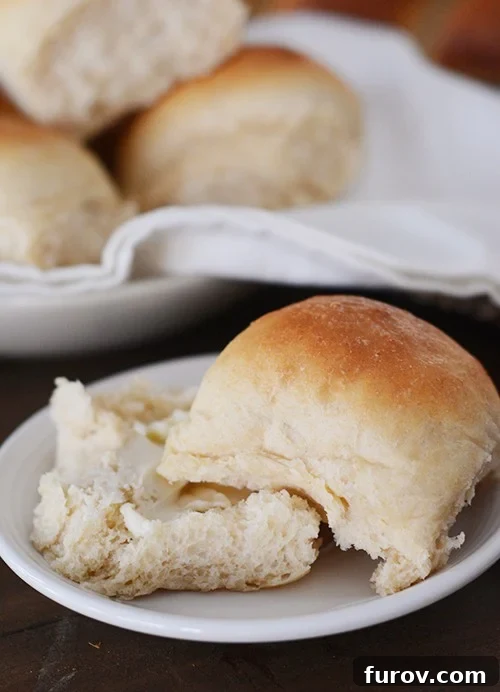
Picture this: I was simply enjoying a quiet afternoon at home, not actively seeking new baking adventures, when this extraordinary roll recipe practically landed in my lap. It walked right in, commanded my attention, and left me utterly captivated. I’m not exaggerating – and if you’ve followed my baking journey, you know my deep affection for bread. My recipe collection boasts numerous cherished roll recipes, each with its unique charm. But these buttermilk potato rolls? They are, without a doubt, the fluffiest, softest, most melt-in-your-mouth rolls I have ever had the pleasure of baking or tasting.
I initially baked them on a whim, with no intention of documenting or sharing the recipe. But their sheer perfection demanded otherwise. Their unparalleled texture and exquisite taste were too good to keep secret, and so, I simply had to share this culinary gem with you.
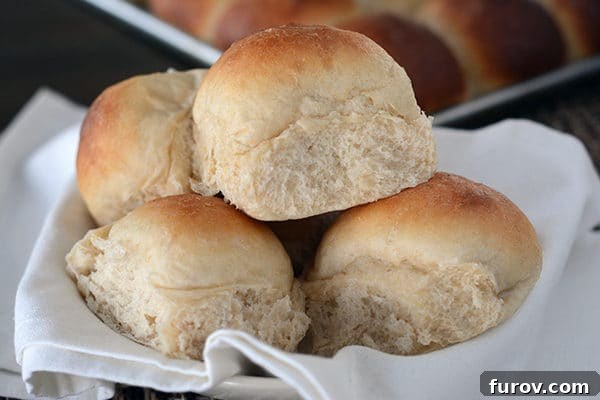
The dough for these rolls is an absolute dream to work with. While you do need to begin with some pre-cooked potatoes (I conveniently used leftover baked potatoes from my fridge, but freshly mashed potatoes would work beautifully as well), the entire process for these rolls is remarkably straightforward, yielding incredibly delicious results every time. The subtle tang of buttermilk, combined with the incredible, almost “mile-high” fluffiness, elevates these rolls to a truly sensational level. It’s a combination that simply can’t be beaten.
If you’re still on the quest for “the” ultimate roll to grace your Thanksgiving table, look no further. You absolutely must consider these. But be warned: preparing these rolls might just earn you instant renown across the land for your impressive bread-baking skills. Don’t say I didn’t warn you – prepare for endless compliments!
A little P.S.: Ever since I made these last Sunday, I’ve been continuously dreaming about them. My mind keeps drifting to how utterly fabulous they would be with a hint of fresh, finely chopped rosemary kneaded into the dough. If any of you brave bakers decide to try this variation, please, I beg you, report back! I’m genuinely curious and excited to hear your results.
Why These Buttermilk Potato Rolls Stand Out
What makes these buttermilk potato rolls so uniquely spectacular? It boils down to a few key factors. First, the inclusion of cooked potatoes in the dough contributes to an unparalleled moistness and tenderness that’s hard to achieve with flour alone. Potatoes add a delicate starchiness that keeps the rolls soft for longer, preventing them from drying out too quickly. Second, buttermilk, with its higher acidity, not only reacts with the leavening agents to produce a lighter texture but also imparts a subtle tangy flavor that beautifully complements the richness of the butter and potatoes. This combination creates a complex yet comforting taste profile that makes these rolls irresistible. They’re not just soft; they possess a delicate, pillowy quality that makes every bite a luxurious experience.
Whether served warm with a slather of butter, alongside a hearty stew, or as a side for your holiday feast, these rolls are guaranteed to elevate any meal. Their versatility and crowd-pleasing nature make them a must-have in your baking repertoire. Don’t be intimidated by working with yeast; this recipe is forgiving and the results are incredibly rewarding.
One Year Ago: My Thanksgiving Menu Plan: A Step-by-Step Guide to Preparing in Advance
Two Years Ago: Thanksgiving Dinner At-A-Glance!
Three Years Ago: Sesame Chicken Stir-Fry
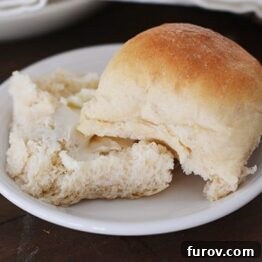
Fluffy Buttermilk Potato Rolls
24 rolls
2 hrs 15 mins
18 mins
2 hrs 33 mins
Pin Recipe
Rate This Recipe
Ingredients
- 1 ½ cups mashed or riced cooked potatoes (see note)
- ½ cup (113 g) salted butter, room temperature
- 2 cups buttermilk, room temperature or slightly warmed (see note)
- 1 ½ tablespoons instant or active dry yeast
- 2 large eggs
- 2 tablespoons sugar
- 2 ½ teaspoons salt
- 4 cups (568 g) whole wheat flour
- 3 – 4 cups (about 426 to 568 g) bread flour (see note)
Instructions
- In the bowl of an electric stand mixer fitted with the dough hook (or in a large bowl if mixing by hand), combine the warm potatoes and butter and mix until the butter is completely melted.
- Add the buttermilk, yeast, eggs, sugar, salt, and 2 cups of flour. Mix well.
- Continue adding the remaining flour (both whole wheat and bread flour) gradually until the dough begins to clear the sides of the bowl. The dough should be soft and smooth. It might leave a slight, sticky residue on your fingers, which is perfectly fine, but it shouldn’t be so sticky that your fingers become heavily coated in dough. Add more flour as needed, but be careful not to over-flour the dough. When pressed lightly with your fingers, it should yield easily.
- Knead the dough for 5-7 minutes. This develops the gluten, resulting in a chewier, more elastic roll.
- Place the kneaded dough in a large, lightly greased bowl. Cover the bowl with greased plastic wrap to prevent a skin from forming. Let the dough rise in a warm place until it has doubled in size, which typically takes about 1 to 1 ½ hours, depending on your kitchen’s temperature.
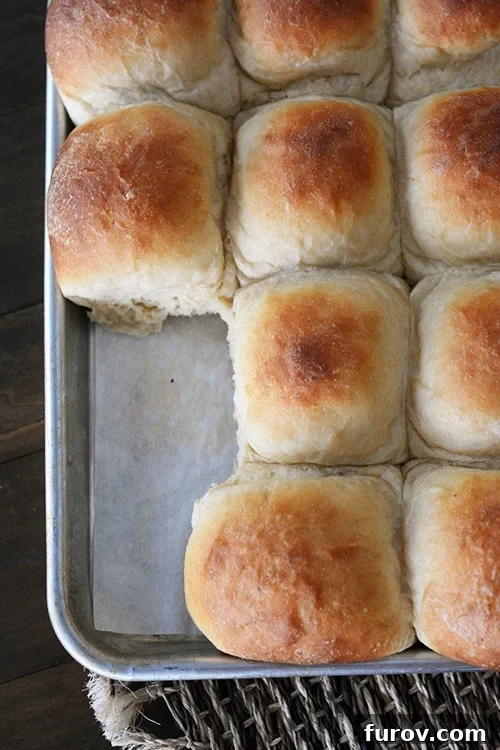
- Once doubled, gently punch down the dough to release the air. Divide the dough into 24 equal balls. Each ball should weigh approximately 3.25 ounces, though the exact size may vary slightly based on the amount of flour added during mixing. Arrange the dough balls evenly on a large, rimmed baking sheet lined with parchment paper or a silicone baking mat. A good arrangement is 4 rolls across and 6 rolls down. Alternatively, you can use two 9×13-inch baking dishes, placing 12 rolls in each pan.
- Cover the shaped rolls again with greased plastic wrap and let them rise until doubled in size, which usually takes about an hour. This second rise contributes significantly to their final fluffiness.
- Preheat your oven to 375 degrees F (190 degrees C). Bake the rolls for 18 minutes, or until they are beautifully golden brown on top and thoroughly baked through. For an extra touch of richness and shine, brush the tops with melted butter immediately after removing them from the oven, if desired. Serve warm and enjoy!
Notes
Buttermilk: If you don’t have buttermilk on hand, you can easily make your own. Here’s a guide for making your own buttermilk using milk and lemon juice or vinegar.
Potatoes: The potatoes should be warm when incorporated into the recipe. If you’re using freshly cooked potatoes, great! If you’re pulling mashed or baked potatoes from the refrigerator, warm them slightly before adding them to the dough. I used a couple of large baking potatoes, peeled them, and put them through a ricer for a super smooth consistency. If you don’t have a ricer, mash them thoroughly until they are as smooth as possible, ensuring no large lumps remain.
Flour Amount: As is common with all yeast doughs, the exact amount of flour can fluctuate due to factors like humidity and potato moisture. Don’t strictly adhere to the recipe’s flour measurement. Instead, observe the dough’s consistency: mix until it pulls away from the sides of the bowl and feels soft and smooth, without being excessively sticky. Trust your touch!
Tutorial: For those new to yeast baking or wanting a refresher, here’s a quick tutorial on working with yeast doughs. You can substitute all-purpose flour for the bread flour, but note that the rolls might not achieve quite the same level of ethereal softness. Alternatively, you can approximate bread flour by adding vital wheat gluten to all-purpose flour (about 2 tablespoons of gluten per cup of white flour). I have not yet experimented with making these rolls with 100% whole wheat flour.
Yeast: I used instant yeast for this recipe. The original recipe from which this was adapted called for active dry yeast. Both types should perform well. Typically, active dry yeast needs to be dissolved in a warm liquid first to activate, but this recipe (as written) doesn’t explicitly require it. If you’re using active dry yeast, I recommend following the recipe instructions by adding it with the other ingredients, as specified, but ensure your buttermilk is slightly warmed to help activate it.
Mel
Bread
American
Bake
Nutrition Facts (per roll)
Serving: 1 Roll,
Calories: 191 kcal,
Carbohydrates: 30g,
Protein: 6g,
Fat: 6g,
Saturated Fat: 3g,
Cholesterol: 28mg,
Sodium: 305mg,
Fiber: 3g,
Sugar: 2g
Recommended Products
Recipe Source: This recipe has been slightly adapted from a classic in Joy of Cooking. The original focused on bread, which I modified for rolls, substituting instant yeast for active dry, incorporating half whole wheat flour, omitting the egg wash and poppy seeds, and doubling the potato content to achieve this incredible softness.
More Irresistible Roll Recipes You’ll Love:
Tips for Achieving the Perfect Fluffy Buttermilk Potato Rolls
Baking these delightful rolls is quite straightforward, but a few expert tips can ensure your success and elevate your results even further:
- Warm Potatoes are Key: Always use warm mashed or riced potatoes. The warmth helps the butter melt and integrates more smoothly into the dough, contributing to its tender texture.
- Buttermilk Temperature: Ensure your buttermilk is at room temperature, or even slightly warmed. Cold buttermilk can shock the yeast and slow down the proofing process. If you don’t have a thermometer, a quick zap in the microwave (until lukewarm, not hot!) will do the trick.
- Don’t Over-Flour: This is crucial for soft rolls. Add flour gradually until the dough is soft, smooth, and just barely sticky. An overly stiff dough will result in dry, dense rolls. A slight stickiness is a good sign that the rolls will be moist.
- Kneading is Essential: Kneading for the recommended 5-7 minutes develops the gluten structure, which is what gives the rolls their signature chew and rise. If kneading by hand, be patient and work the dough until it’s elastic and smooth.
- Proper Proofing: Allow the dough ample time to rise in a warm, draft-free spot. Both the first and second rises are vital for developing flavor and achieving a light, airy texture. Doubled in size means exactly that – don’t rush it.
- Greased Plastic Wrap: Always grease the plastic wrap you use to cover the dough during rising. This prevents it from sticking to the dough as it expands, ensuring a smooth, undisturbed rise.
- Evenly Sized Rolls: For consistent baking and appearance, try to make your dough balls as uniform in size as possible. A kitchen scale can be very helpful here, aiming for approximately 3.25 ounces per roll.
- Brush with Butter: For that irresistible golden crust and extra richness, brush the freshly baked rolls with melted butter as soon as they come out of the oven. This also keeps the crust soft.
Serving Suggestions & Creative Variations
These fluffy buttermilk potato rolls are incredibly versatile and pair beautifully with almost any meal. Here are some ideas:
- Holiday Feast Essential: They are an absolute must for Thanksgiving, Christmas, or Easter dinners. Their tender texture is the perfect accompaniment to gravy and roasted meats.
- Dinner Staple: Serve them alongside soups, stews, chili, or your favorite weeknight casseroles.
- Sandwich Sliders: Their soft texture makes them ideal for small sandwiches or sliders, perfect for picnics or parties.
- Garlic Herb Rolls: Infuse your rolls with flavor by adding 1-2 tablespoons of finely minced fresh garlic and 1 tablespoon of dried Italian herbs (or fresh rosemary, as suggested!) to the dough during the mixing stage.
- Cheese Rolls: Fold in ½ cup of shredded cheddar or Parmesan cheese during the last minute of kneading for a savory twist.
- Sweet Glaze: For a slightly sweeter roll, whisk together powdered sugar and a touch of buttermilk or milk to create a thin glaze, and drizzle it over the warm rolls.
Storage and Reheating Tips
Leftover buttermilk potato rolls are a rare treat, but if you happen to have any, here’s how to store and reheat them:
- Countertop Storage: Store cooled rolls in an airtight container or a large Ziploc bag at room temperature for up to 2-3 days. They will retain much of their softness thanks to the potatoes.
- Freezing for Later: For longer storage, freeze cooled rolls in a freezer-safe bag for up to 3 months. Thaw at room temperature when ready to enjoy.
- Reheating: To bring them back to their freshly baked glory, wrap the rolls loosely in foil and reheat in a preheated oven at 300°F (150°C) for 10-15 minutes, or until warmed through. You can also quickly warm them in the microwave for 15-30 seconds, but be careful not to overheat, as they can become tough.
Frequently Asked Questions About Potato Rolls
Here are answers to some common questions you might have when making these delicious rolls:
- Can I use instant mashed potatoes?
- While freshly cooked and mashed potatoes are highly recommended for the best texture and flavor, some bakers have had success with unsweetened instant potato flakes. If using instant, prepare them according to package directions to achieve a consistency similar to mashed potatoes, then ensure they are warm before adding to the dough.
- What if my dough isn’t rising?
- Several factors can inhibit dough from rising. First, check your yeast’s expiration date. Old yeast may not be active. Second, ensure your buttermilk and potatoes are warm (around 105-115°F or 40-46°C) but not too hot, which can kill the yeast. A warm kitchen environment is also crucial for proofing. If your kitchen is cold, try placing the bowl in a slightly warm (but off!) oven, or in a warm spot near a sunny window.
- Can I make these rolls ahead of time?
- Yes! You can prepare the dough and let it go through its first rise. After punching it down and shaping the rolls, you can cover them tightly and refrigerate overnight (up to 24 hours). The next day, let them come to room temperature and complete their second rise before baking. Alternatively, you can bake them, let them cool, and then freeze them as described in the storage tips.
- Why are my rolls dense?
- Dense rolls are usually a result of too much flour or insufficient kneading/rising. Make sure you’re not adding too much extra flour during kneading. Also, ensure the yeast is active and that the dough has ample time to complete both rises. Over-kneading can also make dough tough, but under-kneading is a more common culprit for density.
These fluffy buttermilk potato rolls are more than just a side dish; they’re an experience. They embody comfort, warmth, and the simple joy of homemade goodness. Don’t hesitate to try this recipe – it’s destined to become a beloved staple in your home!