
Decoding the 5-Star Recipe Flop: Why Even the Best Dishes Can Disappoint
Imagine this: you meticulously gather all the ingredients, fueled by excitement for a highly-rated, super-popular recipe. You envision perfect results, just like the stunning photos online. But then, it happens. Your culinary creation falls flat, fails to impress, or worse, turns into an outright disaster. If this scenario sounds familiar, rest assured, you are not alone in this kitchen conundrum.
It’s a common experience, even for the most seasoned home cooks. While every food blogger, myself included, hopes that every recipe shared is utterly foolproof and guarantees consistent success for everyone, the reality of cooking and baking tells a different story. The truth is, even the most beloved recipes on my blog and across the vast web can occasionally disappoint a few aspiring chefs.
To illustrate this point, let’s look at a few real-world examples directly from the comments and reviews section of popular recipes:
Exhibit A: The Sweet and Sour Chicken Mystery
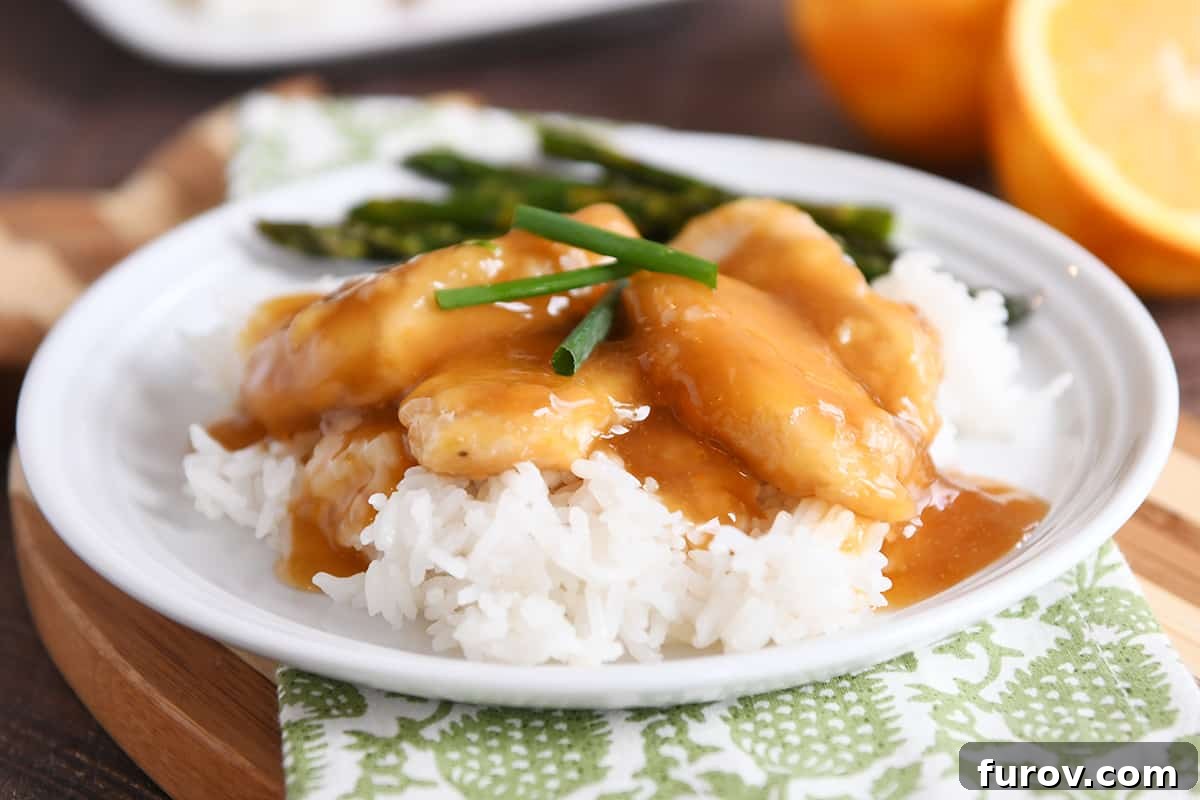
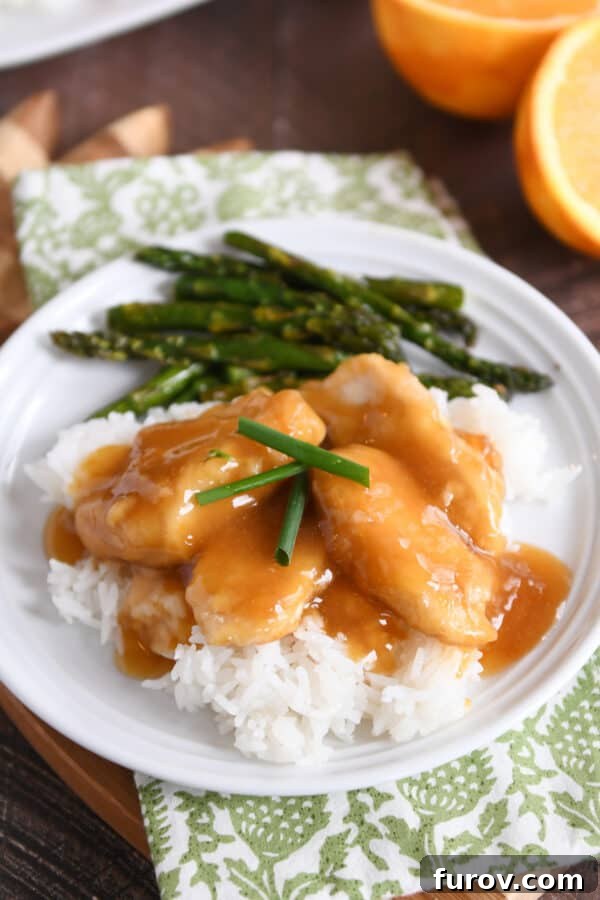
Consider this incredibly popular Sweet and Sour Chicken recipe. It consistently ranks as one of the top recipes on my site, boasting over 400 five-star reviews and holding a firm place as a family favorite. Yet, amidst the glowing praise, you’ll find comments like Ted’s:
“So so…I followed instructions as specified, but resulting taste was not really comparable to how a Chinese restaurant makes it. Will not try again.”
Directly beneath Ted’s review, and indeed throughout the entire comment section, you’ll see an overwhelming number of four and five-star ratings. Ted’s feedback is valid; it simply prompts us to wonder why his experience differed so significantly from the majority.
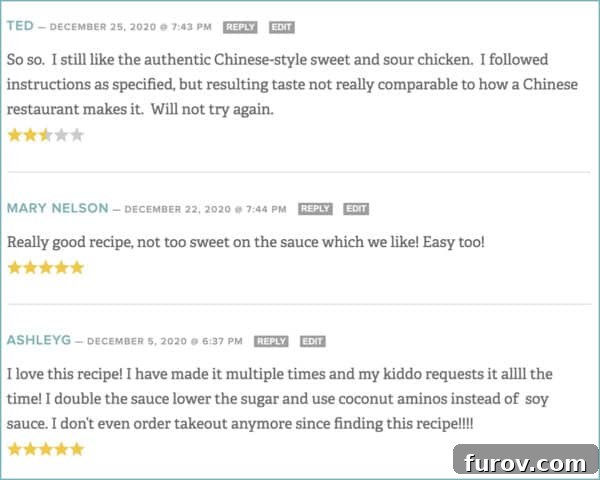
Exhibit B: The French Bread Dilemma
Here’s another snippet, this time from the reviews of my cherished French Bread recipe. This particular recipe has garnered over 1,500 five-star reviews, a testament to its widespread success. And yet, even with such stellar ratings, it doesn’t work out perfectly for absolutely everyone.
Naomi’s comment stands out: “Horrible. Dry and Crumbly. Worst recipe ever.”
Such contrasting feedback highlights the unpredictable nature of cooking outcomes.
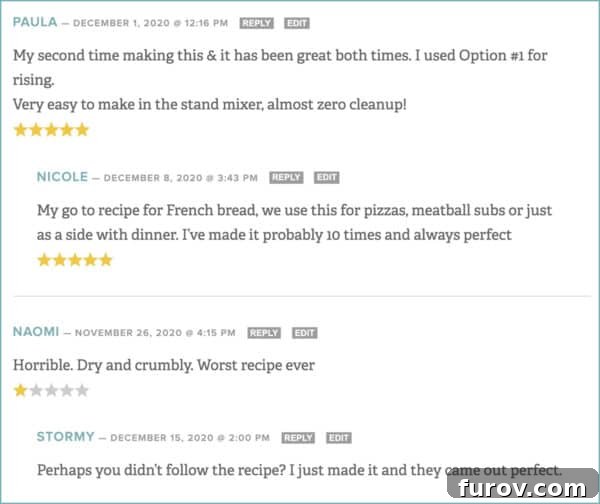
Exhibit C: The Blackberry Crisp Contrast
One final example – though I could share many more – is for The Best Blackberry Crisp, a recipe with over 300 five-star reviews. The screenshot below shows Deborah raving about it being the best crisp she’s ever made. Yet, directly below her glowing review, Sharon reports making it twice, with neither attempt working out, and her results not even resembling the pictures in the post. It’s clear Sharon wanted to love this dish, but something simply didn’t align.

Unraveling the Mystery: Why Do Great Recipes Go Wrong?
These scenarios beg the question: How does this happen? Why would a highly-rated, tried-and-tested recipe unexpectedly fail? After over 12 years of blogging, sifting through more than 200,000 comments and 100,000 recipe ratings, and undertaking a very scientific analysis of countless cooking successes and failures, I’ve identified several key factors that often contribute to these culinary disappointments.
A quick, important note before we dive in: As you explore the suggestions below, please understand that the intention is not to place blame on you if a recipe doesn’t work out. Sometimes, the recipe itself is entirely at fault – perhaps it’s poorly written, inadequately tested, or missing crucial information. My recipes, despite rigorous testing, are not immune to these issues either, though I strive for them to be as foolproof as possible. This discussion aims to provide helpful tips and practical troubleshooting advice to empower all of us to feel more confident and successful in the kitchen.
The Core Reasons: 5 Factors Behind Your Recipe Disappointment
Here, I propose five fundamental reasons why that highly-rated, 5-star recipe might not have delivered the expected perfection in your kitchen:
#1: Location — The Unseen Influencer in Your Kitchen
Environmental conditions can be a surprisingly significant factor in culinary success, particularly when it comes to baking. Humidity levels, elevation, and even the ambient temperature inside and outside your home can profoundly impact how a recipe behaves. These elements alter the chemical reactions and physical properties of ingredients, often leading to unexpected outcomes.
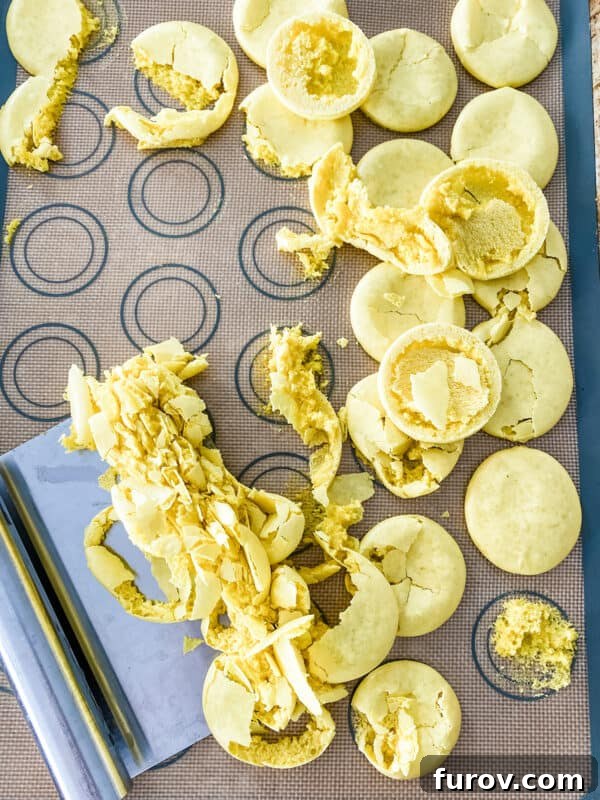
For instance, in bread making, humidity plays a crucial role. If you reside in a highly humid climate, your flour will naturally absorb more moisture from the air, meaning you might need less liquid in your dough than a recipe suggests. Conversely, in very dry climates, more water may be required to achieve proper dough hydration and texture. Delicacies like macarons and other delicate baked goods are notoriously sensitive to rainy or humid weather, often failing to achieve their characteristic crispness and texture.
Elevation is another powerful variable, especially for cakes and cookies. A cake recipe perfected at sea level might prove disastrous at 5,000 feet, potentially falling flat due to reduced atmospheric pressure affecting leavening agents, or even overflowing the pan during baking as gases expand more rapidly. The science behind these high-altitude baking challenges is complex, impacting everything from evaporation rates to sugar concentration and gluten development.
How to Combat Location-Related Recipe Flops:
Understanding and adapting to your specific environment is key. If you live at a high elevation, seek out recipes that explicitly state they have been tested at similar altitudes. Alternatively, look for trustworthy reviews from other high-altitude bakers who have successfully adapted the recipe. While I’m not a high-altitude baking expert, numerous excellent online resources are available if you search for “high elevation baking tips.”
Furthermore, be aware of your recipe source. If a blogger primarily cooks at sea level and you’re baking at 6,500 feet, their recipes might require considerable adjustments to suit your environment. It’s not an insurmountable obstacle, but it necessitates a more proactive approach to recipe modification.
The other solution, though sometimes frustrating, is highly effective: trial and error. Through repeated attempts at making certain items like cookies or bread in your specific climate – be it humid, arid, freezing cold, or super-hot – you’ll gradually learn the necessary adaptations. You’ll develop an intuitive understanding of how much more or less liquid, flour, or leavening your recipes need. A valuable pro tip: to preserve your sanity, consider avoiding overly finicky or sensitive recipes if you know they struggle in your particular climate or area.
#2: Precision in Practice: Measuring and Mixing Techniques
The way ingredients are measured and mixed can dramatically alter a recipe’s outcome. If you ask ten different people to measure a cup of flour, you’re likely to witness ten distinct methods. Some might use the “spoon and sweep” method, gently spooning flour into the cup and leveling it off. Others might “fluff and scoop,” aerating the flour before scooping. Still others might simply “dip and shake,” compacting the flour into the cup. Each method yields a different amount of flour by weight, and even a slight variation of a few tablespoons can critically imbalance a baking recipe.
The same variability applies to ingredients like brown sugar (how densely should it be packed?) or even chocolate chips (many of us, myself included, often eyeball these rather than precisely measuring). For a deeper dive into flour measurement, this post specific to measuring flour offers valuable insights.
Mixing techniques are equally vital. Overmixing muffin batter, for example, is a common culprit for tough, dry muffins instead of the desired fluffy, tender texture. Many cake batters suffer from similar issues when overmixed, leading to a crumb that is dense rather than light. For yeast doughs, knowing precisely how much to knead is an art; undermixing can lead to poor gluten development, while overmixing can stress the dough.
Even the choice of equipment matters. Using a wooden spoon and bowl instead of an electric mixer might not achieve the same aeration or emulsification, impacting the final texture. Furthermore, electric stand mixers vary significantly between brands and models (e.g., Bosch vs. KitchenAid), affecting mixing power and efficiency. With so many variables, what’s a home baker to do?
Mastering Measuring and Mixing for Success:
Assuming a recipe has been properly tested (and it should!), the most effective solution is to meticulously follow the author’s specific instructions. If the recipe calls for flour to be spooned and leveled, resist the urge to use your usual “dip and shake” method, which will likely pack in too much flour. Adherence to these details is paramount for consistent results.
Over the years, I’ve found a kitchen scale to be a game-changer for testing and making recipes. I’ve used this scale for years and highly recommend it. Using a scale eliminates the guesswork, ensuring precise amounts of flour, sugar, or any other ingredient, leading to far more consistent and reliable outcomes.
But what if a recipe doesn’t provide weight measures, or you don’t own a kitchen scale? Look for clues in the recipe, post, or reviews that indicate the author’s preferred measuring methods. If no specific guidance is given, use the methods you are most familiar with. If the recipe doesn’t work out as expected, and you’re determined to try again, use the failure as an opportunity to troubleshoot with adjustments.
Here are a few practical troubleshooting ideas:
- For overly flat cookies: If your cookies spread grotesquely thin, consider adding 1/4 to 1/2 cup more flour in your next attempt, or try increasing the baking temperature by 25 degrees Fahrenheit.
- For cookies that don’t spread enough: Conversely, if your cookies remain in perfect mounds and don’t flatten at all, reduce the flour amount by 1/4 to 1/2 cup.
- For collapsing bread or rolls: If freeform bread or rolls flatten or fall during rising, add about 1/2 cup more flour to the dough next time. Remember that yeast doughs are particularly sensitive to environmental factors like humidity and elevation, so focus more on the look and feel of the dough rather than adhering rigidly to the exact flour measurement.
- For tough, dry muffins: Avoid overmixing your muffin batter. It’s perfectly acceptable if a few dry streaks remain or if the batter is slightly lumpy; this is often key to tenderness. Additionally, if you tend to pack flour into your measuring cup, a lighter hand can significantly improve muffin texture.
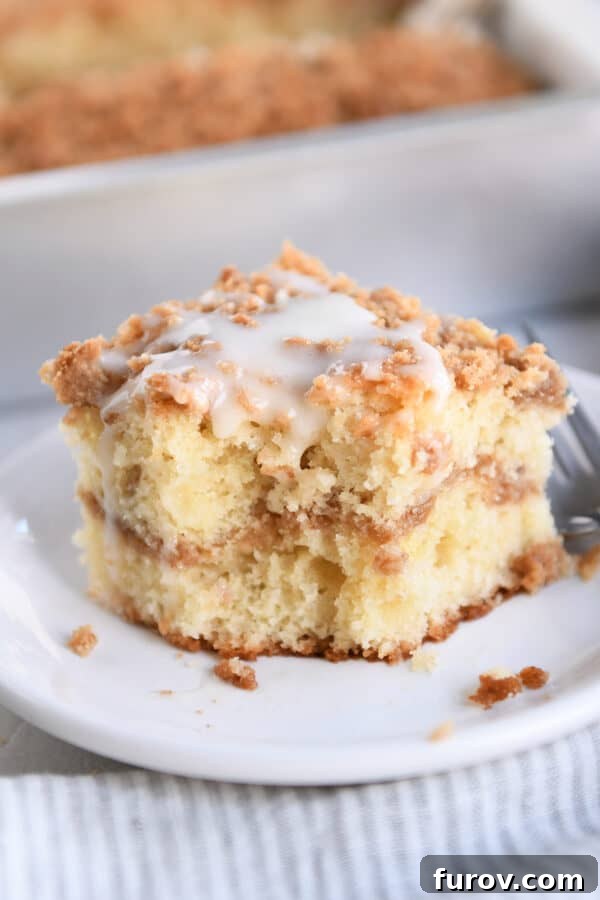
#3: The Palate Paradox: Honoring Your Unique Taste Buds
You’ve found that wildly popular recipe, followed it to the letter, and it looks exactly like the picture. Yet, upon tasting, it’s just… meh. Or worse, it’s genuinely unpalatable, leaving you and your family grimacing at the dinner table. How could this happen when the recipe boasts hundreds of rave reviews?
The simple truth is, sometimes our individual taste preferences diverge significantly. What one person considers a culinary masterpiece, another might find unremarkable or even unpleasant. I’ve experienced this many times when friends wholeheartedly recommend a recipe, swearing it’s the best thing they’ve ever eaten, only for me to make it and wonder what I did wrong (and then strategically avoid them for months to dodge an awkward conversation about their sweet granny’s “heirloom” recipe that was, well, kind of awful).
My own blog’s comment sections often feature similar contrasts: individuals expressing strong dislike for a recipe’s flavors, or finding it merely “okay,” despite an overwhelming consensus from others praising it as their new favorite. This divergence highlights the highly subjective nature of taste, influenced by everything from cultural background and childhood memories to personal biology and dietary habits.
Honoring Your Palate:
The key solution here is to honor your taste buds. It’s incredibly tempting to chase every 5-star recipe, especially with the fear of missing out on the next viral food trend. However, it’s equally important, and perhaps more practical, to critically assess whether a recipe truly aligns with your family’s established taste preferences.
If you prefer complex flavor profiles, you might want to steer clear of recipes that rely heavily on “semi-homemade” shortcuts or simpler ingredients. Instead, gravitate towards recipes that feature robust spices, fresh herbs, and well-developed marinades. Conversely, if your family prefers milder flavors, avoid dishes that are typically bold or spicy.
Be honest about your ingredient preferences. If you dislike cinnamon in savory dishes, or if curry has never appealed to you, avoid recipes that prominently feature them. If you’ve detested a particular ingredient the last fifteen times you’ve tried it, the sixteenth attempt is unlikely to convert you. While taking culinary risks can sometimes lead to wonderful discoveries, it’s perfectly acceptable to observe a viral recipe and confidently say, “Nope, that one’s not for me.” Trust your intuition about what genuinely excites your palate.
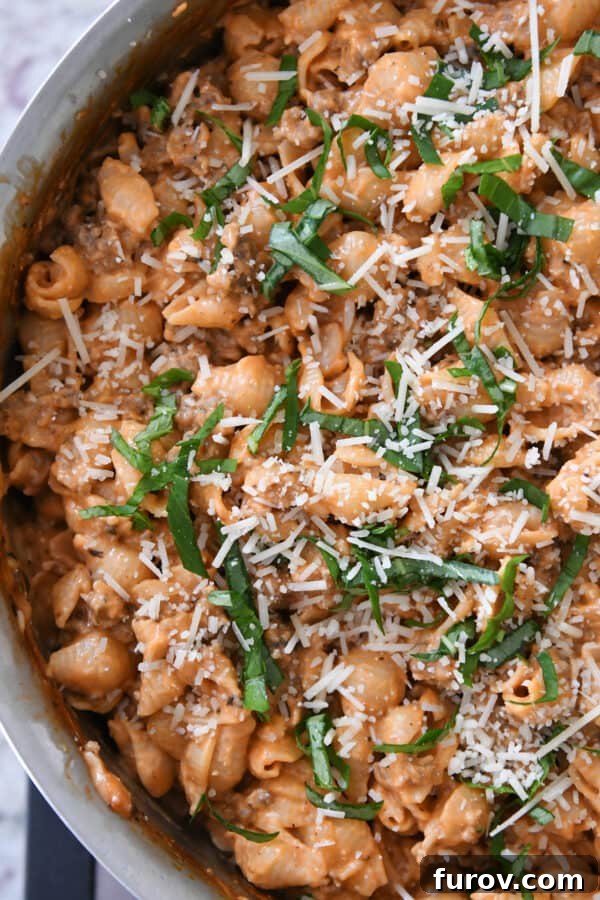
#4: The Art of Adaptation: When to Tweak and When to Trust
Let’s be honest, many of us, myself included, are prone to “adapting” a recipe even on the first try. Whether it’s born out of creative impulse, a desire to customize, or simply the necessity of using what’s available in the pantry (I confess, my aversion to grocery shopping often leads to impromptu substitutions), altering a recipe is a common kitchen habit. However, this inclination often leads to what I call the “pride goeth before the fall” experience.
As I stare at a greasy, unidentifiable lump that was supposed to be a batch of cookies, a little voice (perhaps my culinary conscience) often whispers: “Mel, maybe the recipe author DID know better than you. Perhaps there’s a reason they didn’t suggest swapping molasses for mashed banana, quinoa for quick oats, or natural peanut butter for Nutella.”
Even seemingly minor substitutions can have significant repercussions. Swapping skim milk for 2% milk, milk chocolate for unsweetened chocolate, or gluten-free flour for all-purpose flour can fundamentally alter the chemical balance, texture, and flavor of a dish. Each ingredient plays a specific role, contributing to moisture, fat content, structure, or sweetness. Disrupting this balance without understanding the underlying chemistry can easily lead to an undesirable outcome. Adapting any tried-and-tested recipe will undoubtedly affect the end result, for better or, quite often, for worse.
Strategies for Smart Recipe Adaptation:
I am certainly not against adapting recipes; in fact, I fully endorse it! The key lies in being willing to take responsibility for the resulting success or failure. My personal recommendation (and yes, it’s often a “do as I say, not as I do” situation) is to prepare a recipe exactly as written the very first time you make it. This baseline experience allows you to accurately taste and assess the original version, providing a clear reference point. Only after this initial trial should you decide what adaptations you might want to employ.
If substitutions are unavoidable due to dietary restrictions, allergies, or ingredient availability, proceed with caution. Be aware that the modified recipe may not perfectly mimic the acclaimed version that initially caught your eye. While you might still create a delicious dish, it may not possess the exact characteristics that earned the original recipe its rave reviews. Embrace the spirit of experimentation, but also understand and accept the potential for variation.
#5: The Foundation: The Quality and State of Your Ingredients
It might seem obvious, yet we’ve all been guilty of this oversight at some point: overlooking the state and quality of our ingredients. Expired ingredients, in any form, should be promptly removed from your refrigerator and spice cabinets. Consider making it a dedicated weekend project to clear out anything past its prime.
Certain ingredients are particularly critical. Baking powder and yeast, for example, are leavening agents whose efficacy diminishes significantly with age. Using expired baking powder can result in flat, dense baked goods that fail to rise. Similarly, old yeast will prevent bread from proofing properly, leading to a heavy, brick-like loaf.
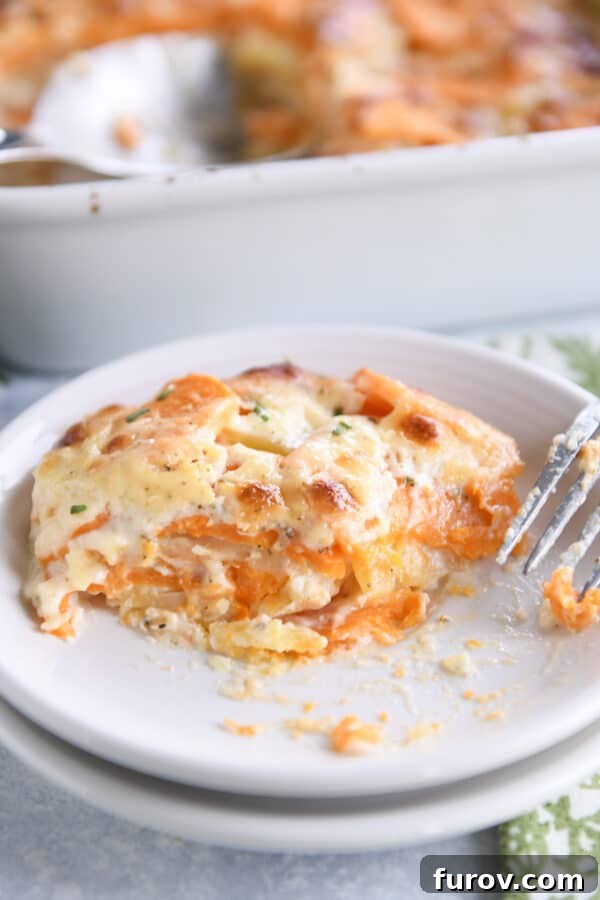
When was the last time you checked the expiration dates on your spices? This can often be a slightly horrifying revelation. The last time I undertook this task, I discovered six small containers of dried oregano in my spice cupboard, three of which had expired two years prior! #yikes #nojudging #pleasetellmeyoudothistoo Expired spices retain little to no aroma or flavor, leaving an otherwise carefully prepared dish completely lackluster and bland. And as the picture caption above illustrates, expired milk or cream can transform a potentially creamy and delicious dish into a sour, curdled mess.
On a related but distinct note, it’s crucial to adhere to specific instructions regarding ingredient type or temperature. If a recipe explicitly calls for full-fat yogurt, room temperature eggs, or cold butter, swallow your pride and obey the blogger! These seemingly small details are often meticulously tested variables within the recipe.
Using cold eggs when room-temperature eggs are specified can prevent proper emulsification in batters, leading to a lumpy mixture and an inferior final texture. Similarly, substituting melted butter for softened butter in a creaming method will fundamentally alter the aeration and structure of your baked good. These precise instructions are not arbitrary; they are critical for achieving the intended outcome.
Ensuring Ingredient Integrity:
The solution is straightforward: consistently check expiration dates before using any ingredient. Make it a habit to regularly audit your pantry, fridge, and spice rack. For items like spices, if they don’t smell potent and aromatic, they likely won’t add much flavor to your dish, regardless of their printed date.
And for the sake of all that is good and virtuous in the culinary world, diligently follow the recipe guidelines regarding ingredient details – especially temperature, state (e.g., softened, melted, chopped), and specific types (e.g., unsalted butter, whole milk). These small acts of adherence significantly increase your chances of transforming a 5-star recipe into a 5-star success in your own kitchen.
BONUS PRO TIP: The Critical Eye for Online Reviews
I cannot overstate the importance of this bonus tip. While I wish it weren’t necessary to address, the reality of the online recipe-sharing space dictates otherwise. Unfortunately, there’s fierce competition among website owners, with everyone striving to secure that coveted #1 spot on Google or at least land on the first page of search results. This is a legitimate goal, and like any blogger, I get excited when my recipes achieve such visibility!
One of the many strategies (though certainly not the only one) to boost search engine rankings involves ensuring a recipe has numerous reviews, especially high ratings (four and five stars). Regrettably, many recipe ratings and reviews you encounter online aren’t from genuine individuals who have actually prepared the dish. These ratings can be artificially inflated through various means, making them unreliable indicators of a recipe’s true quality.
Therefore, if you come across a recipe displaying an abundance of high star ratings, take a moment to scroll down and examine the accompanying comments. Exercise caution if comments are nonexistent, or if there are very few offering actual, substantive feedback. Comments like “looks amazing!” or “can’t wait to try!” while positive, should not be accompanied by a five-star rating, as they don’t reflect an actual cooking experience. Such generic feedback is a red flag when evaluating whether a recipe is genuinely worth your time and effort.
This isn’t to say that a recipe with questionable reviews is automatically bad or that you shouldn’t make it. It simply means that the star ratings and initial reviews might not accurately reflect its true quality or ease of execution. Personally, I would much rather attempt a recipe with zero ratings and zero reviews if it comes from a trusted source, than risk making one with 48 five-star ratings but no actual written reviews to substantiate them.
As someone who dedicates considerable effort to testing every single recipe multiple times, I am incredibly grateful for each of you who take the time not only to leave a rating but, more importantly, to provide a review with helpful and valid feedback. Your genuine insights lend immense authenticity and trustworthiness to the recipes on my website, and I appreciate it beyond measure. I know that countless others who visit this space, seeking reliable and tested recipes, appreciate your contributions just as much.
I make it a policy never to scrub or delete any reviews or comments, even if they are less than favorable. In fact, I even keep many of the overtly mean or hateful reviews up (mostly for entertainment value), because I believe it’s tremendously valuable for you, the reader, to gain a complete and honest picture of whether a recipe might be worth attempting. So, consider this my friendly, girl-next-door bloggerly advice: approach online recipes and their reviews with a gently critical, discerning eye.
Your Journey to Kitchen Confidence
Phew! This discussion took on a life of its own, and if you’ve made it to the very end, you absolutely deserve a lifetime supply of mail-order dark chocolate! I frequently receive comments and questions from readers about why a recipe they attempted didn’t yield the expected results, and I sincerely hope this comprehensive post has offered valuable information to troubleshoot the “why,” the “how,” and a clear path forward.
While there’s no absolute guarantee that every recipe will turn out perfectly on the first, second, or even third attempt, there are numerous strategies and insights you can employ to significantly maximize the success of any tried-and-tested recipe. Armed with a better understanding of environmental factors, precise techniques, personal preferences, the nuances of adaptation, and the critical role of ingredient quality, you are well-equipped to tackle any culinary challenge. You’ve got this!
I want you to know that I genuinely believe you are a rock star in the kitchen. Thank you for being here, for engaging with the recipes on this blog, for your patience, and for simply being completely and utterly awesome. I truly appreciate you!