
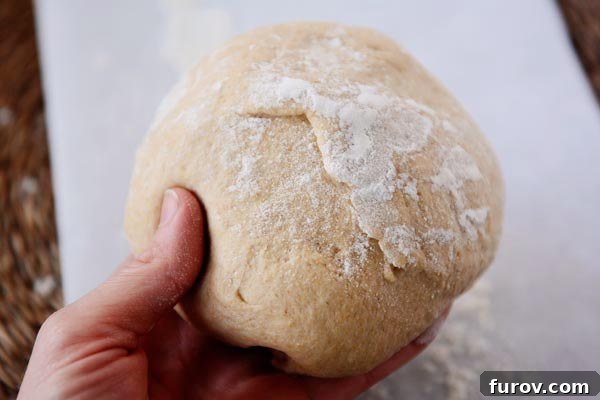
Overnight Whole Wheat Pizza Dough: Your Secret to Perfectly Chewy Homemade Pizza
Unlock the potential of homemade pizza with this easy 100% whole wheat dough recipe. Prepped the night before and allowed to slowly rise in the refrigerator, it delivers unparalleled flavor and a delightfully chewy texture.
Welcome back to a week dedicated to mastering the art of homemade pizza! If you joined us for yesterday’s discussion on our quick and easy pizza dough, you might be wondering why we’re featuring another dough recipe so soon. The truth is, while we adore the convenience of a fast-rising dough, sometimes a little planning goes a long way in achieving a truly extraordinary pizza experience. Today, we’re diving into the world of overnight whole wheat pizza dough – a recipe that transforms a simple meal into a gourmet delight with minimal effort on pizza night itself.
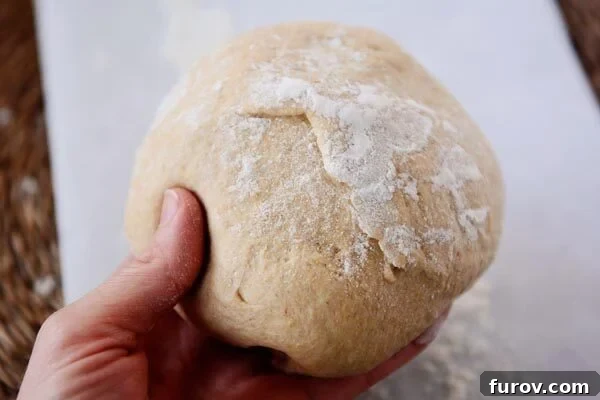
Our mission this week is to equip you with all the knowledge and recipes needed to craft homemade pizzas that will truly impress everyone at your table. And trust us, this overnight whole wheat dough is a cornerstone of that mission. It brings a depth of flavor and a superior crust texture that simply cannot be rushed, making it a staple in our kitchen. So, let’s explore why this recipe deserves a prime spot in your culinary repertoire.
Why Overnight Whole Wheat Pizza Dough Is a Game-Changer
You might wonder, with a fantastic quick dough recipe already shared, what makes this overnight version so special? The answer lies in several key advantages that elevate your homemade pizza from great to absolutely phenomenal:
- Enhanced Flavor Development: The magic of an overnight rise in the refrigerator is slow fermentation. This extended period allows the yeast to work its wonders, breaking down starches and developing complex flavors that are simply not possible with a rapid rise. The result is a pizza crust with a rich, nuanced taste – far beyond what you’d expect from home baking. It’s the kind of flavor profile you typically find in artisan pizzerias.
- Superior Texture: Time is a crucial ingredient for texture. This dough boasts a slightly chewier crust that still achieves a satisfying crispness on the outside. The slow fermentation contributes to better gluten development, giving the dough incredible elasticity and a light, airy crumb structure. This makes for a more authentic and enjoyable eating experience with every slice.
- Unmatched Convenience on Pizza Night: For those who love to plan ahead, this recipe is a lifesaver. Preparing the dough the night before means one less step on the day you want to enjoy pizza. Imagine pulling perfectly risen dough straight from the fridge, letting it come to temperature, and being ready to shape and top in minutes. This drastically reduces the stress and mess associated with last-minute dough preparation, especially when hosting guests. No mixer to wash, no waiting for a rapid rise – just pure, unadulterated pizza making joy.
We find ourselves reaching for both our quick dough and this overnight recipe with equal frequency, each serving a different purpose. If unexpected pizza cravings strike, the quick dough is our go-to. However, for planned dinners, weekend gatherings, or simply when we crave that extra depth of flavor and texture, this overnight whole wheat dough is always the top choice. Its ability to simplify pizza night logistics while upgrading the culinary outcome makes it an indispensable recipe.
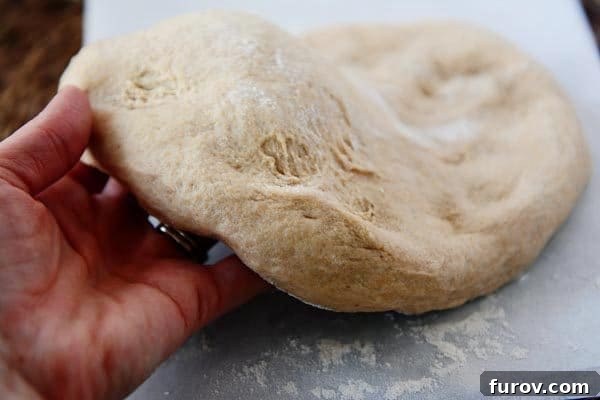
With proper flouring and handling, this overnight whole wheat pizza dough becomes incredibly smooth and elastic. This makes the shaping and rolling process an absolute dream, allowing you to create a perfectly round or rustic crust with ease. The final product? A beautiful, golden-brown pizza with a substantial, flavorful crust that holds up to all your favorite toppings. Speaking of toppings, the pizza shown above is a personal favorite, generously loaded with savory sausage, crispy kale, a sprinkle of Parmesan, and a decadent white ricotta sauce – proving just how versatile and delicious this crust can be!
The Magic of Whole Wheat in Your Pizza Crust
Choosing whole wheat flour for your pizza dough isn’t just about adding a healthier touch; it’s about introducing a unique flavor dimension and a more robust texture. Whole wheat flour retains the bran and germ of the wheat kernel, which are packed with fiber, vitamins, and minerals. This not only boosts the nutritional value of your pizza but also imparts a slightly nutty, earthy flavor that beautifully complements a wide range of toppings, from rich meats to fresh vegetables.
For this recipe, we typically use white whole wheat flour. This variety is made from a lighter colored wheat grain, resulting in a crust that is less dense and has a milder flavor than traditional red whole wheat flour, while still offering all the whole grain benefits. However, if red whole wheat flour is what you have on hand, it will work just as well, yielding a crust with a slightly deeper color and more pronounced whole grain taste. You can also experiment with a blend of half whole wheat and half all-purpose white flour if you’re new to whole wheat baking or prefer a lighter texture.
Don’t be afraid to adjust the flour amount. The key to a perfect dough is its feel – it should be soft, smooth, and elastic, pulling away cleanly from the sides of your mixing bowl or your hands, without being overly sticky. Pay attention to the dough’s consistency rather than strictly adhering to exact measurements, as humidity and flour type can cause variations.

Speaking of perfecting your pizza, later this week we’ll be delving into the crucial details of baking the perfect pizza – covering everything from using a pizza stone to grilling techniques, complete with helpful tips and pictures. So be sure to stay tuned for more pizza goodness!
Overnight Whole Wheat Pizza Dough
2
large pizzas
8 hours
hrs
10 minutes
mins
10 minutes
mins
8 hours
hrs
20 minutes
mins
Pin
Ingredients
-
2 ½ cups
warm water
(Ideally between 105-115°F / 40-46°C for optimal yeast activity) -
1 tablespoon
instant yeast
(Also known as rapid-rise or bread machine yeast. Active dry yeast can be used, but may require proofing in water first.) -
¼ cup
honey
(Adds a subtle sweetness and helps with crust browning. Maple syrup or granulated sugar can be substituted.) -
1 tablespoon
oil
(Olive oil is preferred for flavor, but any neutral cooking oil will work.) -
1 tablespoon
salt
(Crucial for flavor and moderating yeast activity.) -
5 to 6+ cups
whole wheat flour,
see note – you may need to use upwards of 6 or more, depending on your flour, humidity, and desired dough stickiness. We recommend white whole wheat flour for a lighter texture and milder flavor.
Instructions
-
In a large bowl or the bowl of an electric stand mixer fitted with the dough hook, combine the warm water, instant yeast, honey, oil, and salt. Stir gently until well combined. Gradually add the whole wheat flour, one cup at a time, mixing until a soft, shaggy dough begins to form. Continue adding flour until the dough pulls away from the sides of the bowl. Knead the dough for 5-7 minutes using the stand mixer (or about 10 minutes if kneading by hand). The dough should be smooth, elastic, and slightly tacky, but not sticky to the touch. Adjust flour as needed.
-
Lightly grease a large bowl with cooking spray or a drizzle of oil. Transfer the kneaded dough to the bowl, turning it once to coat. Cover the bowl tightly with lightly greased plastic wrap (or a lid, if your bowl has one). Place the covered dough in the refrigerator and allow it to rise slowly for 8-24 hours. This slow rise is key to developing its deep flavor and excellent texture.
-
Approximately 2-3 hours before you plan to make your pizza, remove the bowl of dough from the refrigerator. Allow it to sit at room temperature. This step is crucial; attempting to roll out chilled dough will be very difficult, as the gluten will be too tight. The dough should feel soft and pliable, having nearly doubled in size, before you begin shaping.
-
Once the dough has reached room temperature, gently punch it down to release the air. Divide the dough into two equal portions for two large pizzas. Lightly flour your work surface and hands, then shape each portion into your desired pizza crust, either by hand stretching or using a rolling pin. Transfer the shaped crusts to a piece of parchment paper or a lightly floured pizza peel. Add your favorite sauce and toppings. Bake in a preheated 475-500°F (245-260°C) oven, ideally on a preheated pizza stone or steel, or on a sturdy baking sheet. For a comprehensive guide on baking methods, refer to our Perfect Pizza Baking Tutorial. Bake until the crust is golden brown and the cheese is bubbly and slightly browned, typically 10-15 minutes.
Notes on Whole Wheat Pizza Dough
Whole Wheat Flour: We highly recommend using white whole wheat flour for a lighter-colored and milder-flavored crust, which still provides all the nutritional benefits of whole grains. If you only have traditional red whole wheat flour, it will work perfectly but may result in a slightly denser crust with a more pronounced whole wheat flavor. This recipe is also adaptable; you can use all white all-purpose flour or a 50/50 blend of white and whole wheat flour. The crucial aspect is to judge the dough by its feel, not just by the exact amount of flour. It should be soft, smooth, and elastic after kneading, and should not leave a sticky residue on your fingers. Be careful not to over-flour the dough, as this can lead to a stiff, tough crust. The dough should be easily stretched and handled with minimal stickiness.
Regarding Stickiness: We’ve heard from some readers who experienced overly sticky dough. Please remember that the flour measurement is a guideline. Factors like the brand of flour, the humidity in your environment, and even how accurately you measure can affect the dough’s hydration. If your dough feels too sticky after kneading, don’t hesitate to add a tablespoon or two more flour until it reaches the desired smooth, elastic consistency that can be stretched without excessive stickiness. The original recipe listed 4-5 cups, but based on feedback and our own experience, we’ve adjusted it to 5-6+ cups to better reflect typical needs.
Make-Ahead & Storage: This dough can be refrigerated for up to 3 days. For longer storage, after the initial cold rise, you can divide the dough, shape into balls, and lightly oil each. Place them in individual freezer bags or an airtight container and freeze for up to 3 months. Thaw frozen dough in the refrigerator overnight, then bring to room temperature for 2-3 hours before shaping and baking as instructed.
Mel
Bread
American
Bake
Nutrition Information
Serving: 1 Large Pizza Crust,
Calories: 1217kcal,
Carbohydrates: 252g,
Protein: 41g,
Fat: 15g,
Saturated Fat: 2g,
Sodium: 3512mg,
Fiber: 33g,
Sugar: 36g
Recommended Products
Recipe Source: Adapted over time from Mel’s Kitchen Cafe (original recipe here)