
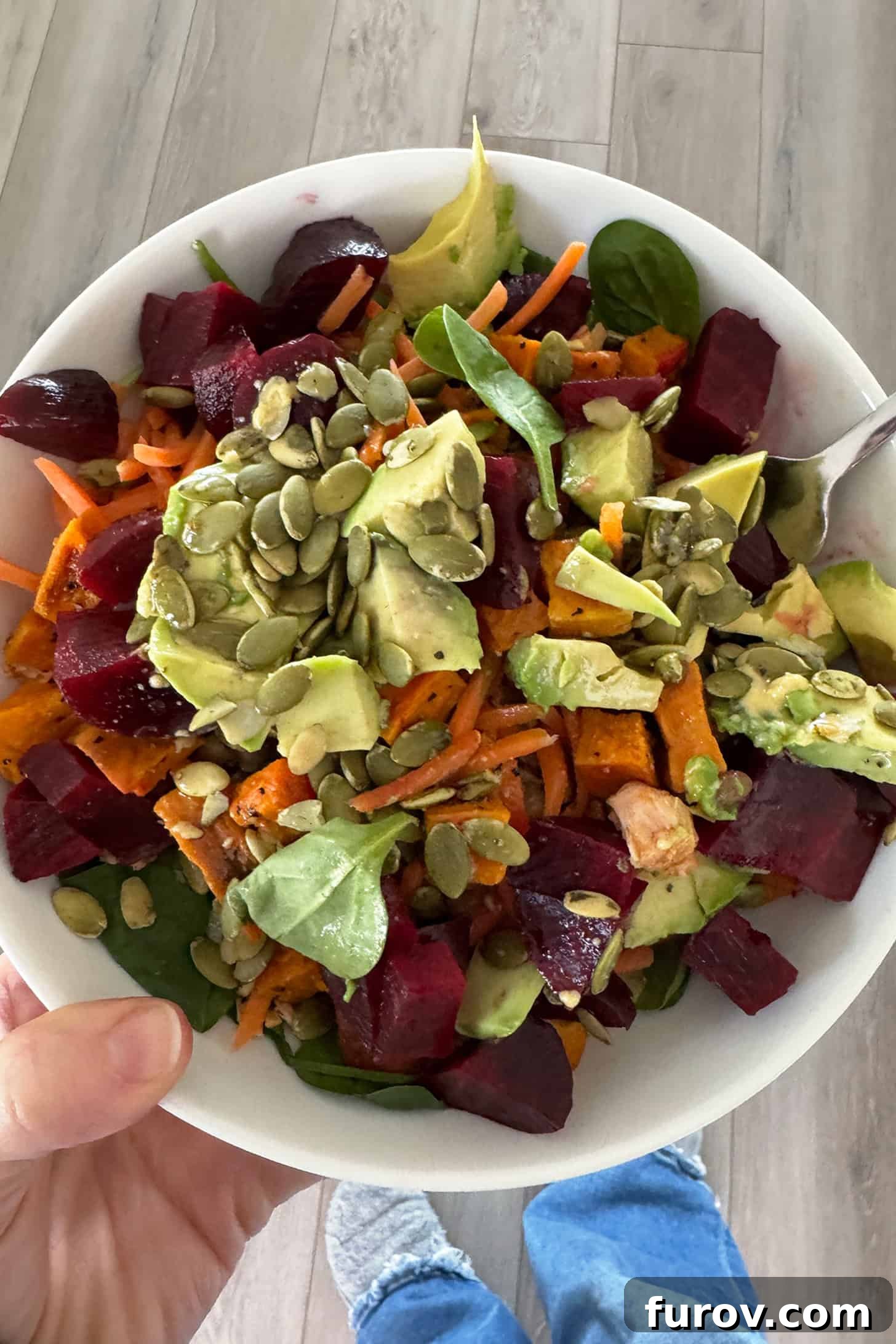
Embark on a transformative culinary journey designed to soothe your body and invigorate your health. This comprehensive guide details six weeks of dedicated anti-inflammatory eating, complete with recipes, meal planning strategies, and surprising health revelations. Discover how a focus on whole, nutrient-dense foods, particularly those high in fiber, can impact well-being, from managing chronic pain to significantly improving cholesterol levels.
MY PERSONAL JOURNEY: Several months ago, I found myself grappling with persistent pain in my hands, which a hand specialist diagnosed as osteoarthritis. Simultaneously, I experienced discomfort in my hip, though I hadn’t sought medical advice for it yet. Driven by a desire to find relief, I decided to commit to an anti-inflammatory diet for two months, eager to observe its potential effects on my symptoms. As I shared snippets of this dietary experiment through my email updates and on Instagram, I was met with an overwhelming wave of curiosity – hundreds of requests poured in, asking for more specifics on the recipes and my experience. This article is a direct response to that demand, offering a deep dive into the meals I prepared and the remarkable outcomes I’ve witnessed over nearly two months of this eating pattern.
AN IMPORTANT DISCLAIMER: It is crucial to understand that I am not a healthcare professional, a registered dietitian, a nutritionist, or any individual qualified to offer medical or health advice. Let me be unequivocally clear: I AM NOT DISPENSING HEALTH ADVICE. My intention here is simply to document and share my personal dietary choices and experiences in addressing my own health challenges. Before initiating any significant changes to your diet or lifestyle, always consult with a qualified health professional. Your individual health needs and circumstances are unique and require personalized guidance.
Navigating My Anti-Inflammatory Dietary Goals: A Two-Month Commitment
“Anti-Inflammatory Diet” is a broad term encompassing a style of eating primarily focused on reducing systemic inflammation within the body. This approach involves consciously eliminating or minimizing foods known to potentially trigger inflammation, while simultaneously emphasizing a rich intake of foods celebrated for their natural anti-inflammatory properties. This dietary philosophy is gaining significant traction for its potential benefits across various health conditions.
➡️ CRITICAL NOTE: It is vital to recognize that what constitutes an inflammatory trigger or causes adverse reactions can differ dramatically from person to person. Therefore, some of the foods I successfully incorporated into my anti-inflammatory diet, as detailed below, might not be suitable choices for you. This could be due to specific allergies, food sensitivities, or your unique understanding of how certain foods affect your own body. Always exercise prudence and make informed decisions tailored to your personal health and well-being.
My journey began with extensive research into various anti-inflammatory dietary models. I delved into studies and literature, including a thorough examination of the Mediterranean Diet. This widely-researched, plant-forward eating pattern is globally recognized for its significant anti-inflammatory benefits and its promotion of overall longevity. Based on this comprehensive research, I established these fundamental dietary goals for my two-month trial:
- Complete Elimination of the Following Foods:
- Red Meat: While not always a universal requirement for an anti-inflammatory diet, I personally find that beef and pork can sometimes upset my stomach. Therefore, I opted to exclude them entirely during this period to maximize the potential benefits of the diet for my specific needs.
- Processed and Refined Sugars: I strictly cut out all forms of processed and refined sugars. For occasional sweetness, particularly in my morning oats, I relied solely on pure maple syrup and, on rare occasions, a small amount of honey.
- Processed and Refined Carbohydrates: This category included a complete elimination of all gluten-containing products and other refined carbs such as commercial breads, crackers, and similar items. My focus shifted entirely to whole, unprocessed grains.
- Most Oils and Fats: With the exception of high-quality extra virgin olive oil, I eliminated all other oils and butter. This choice aligns with the emphasis on healthy fats in anti-inflammatory eating.
- Processed, Fried, and Fast Foods: All highly processed, fried, and fast-food options were strictly avoided due to their known pro-inflammatory components.
- Emphasis on Abundant Intake of the Following Nutrient-Dense Foods:
- Olive Oil: A cornerstone of the Mediterranean diet, extra virgin olive oil was my primary fat source, prized for its monounsaturated fats and antioxidants.
- Nuts and Seeds: I incorporated a generous amount of various nuts and seeds, such as almonds and roasted pumpkin seeds, providing healthy fats, protein, and fiber.
- Berries and Colorful Fruits: Berries, especially, were consumed in abundance, alongside other vibrant fruits, all rich in antioxidants and vitamins.
- Salmon: I aimed for wild-caught salmon at least twice a week, capitalizing on its rich omega-3 fatty acid content, known for powerful anti-inflammatory effects.
- White Fish: Cod and halibut, often sourced from my boys’ Alaskan fishing trips, were frequently on the menu, offering lean protein.
- Other Lean Meats: Occasionally, I included lean white chicken meat and shrimp, ensuring variety in my protein sources.
- Avocados: A fantastic source of healthy monounsaturated fats and fiber, avocados were a regular addition to my meals.
- Dark, Leafy Greens: Spinach and kale were staple greens, packed with vitamins, minerals, and antioxidants.
- Abundant Vegetables: A wide array of vegetables, including broccoli, cauliflower, green beans, beets, carrots, and cabbage, formed the bulk of my meals, providing essential micronutrients and fiber.
- Sweet Potatoes: A nutritious and versatile complex carbohydrate, sweet potatoes were a frequent choice.
- Lentils and Beans: These legumes were integral to my diet, offering excellent sources of plant-based protein and dietary fiber.
- Whole Grains: Oats, quinoa, and brown rice replaced refined grains, contributing significant fiber and sustained energy.
- Dark Chocolate: I permitted myself a square (or sometimes two!) of 86% Ghirardelli dark chocolate daily, enjoying its antioxidant benefits in moderation.
- Beneficial Spices: Spices like turmeric, cinnamon, and cloves, recognized for their anti-inflammatory properties, were regularly used in my cooking.
- Focused Fiber Tracking, Not Calorie Counting: My primary objective was (and remains) to consistently consume 30 to 40 grams of fiber per day. I deliberately chose not to track calories, prioritizing intuitive eating while ensuring adequate fiber intake.
- Limited Dairy Intake: While I didn’t completely eliminate dairy, I restricted it to cultured cottage cheese and small quantities of feta cheese or other sharp shredded cheeses. Eggs also remained a part of my diet, predominantly in the form of these healthy egg bites, which I customized with double the vegetables, no meat, and a touch of feta cheese.
My Anti-Inflammatory Diet: A Glimpse into My Meals
⬇️ Tried & True Anti-Inflammatory Recipes from My Kitchen ⬇️
These recipes became regular staples in my diet, enjoyed with enthusiasm and forming the backbone of my anti-inflammatory eating plan. They are designed to be both delicious and compliant with my dietary goals.
- Thick and Creamy Instant Pot Lentil Soup: A comforting and fiber-rich soup, perfect for a hearty anti-inflammatory meal.
- Smoky Lentil and Potato Soup: I adapted this recipe by substituting regular potatoes with sweet potatoes, although conventional potatoes are often acceptable on an anti-inflammatory diet. This variation boosted its nutrient profile.
- Lentil Tacos: These versatile tacos were often served over a bed of brown rice or quinoa. I customized them with an abundance of toppings such as fresh tomatoes, olives, creamy avocados, and crunchy roasted pumpkin seeds. Occasionally, I added a small sprinkle of sharp shredded cheddar cheese for extra flavor.
- Classic Black Beans and Rice: A simple yet satisfying dish, I enjoyed this over a wholesome brown rice blend, providing excellent plant-based protein and fiber.
- White Bean Tuna Salad: A quick and easy option, this salad combines lean protein with fiber-rich white beans, making it an ideal light meal.
- Wholesome Buddha Bowls: To ensure anti-inflammatory compliance, I modified the dressing for these bowls by omitting soy sauce and instead using a healthy pinch of salt with a splash of water, keeping the flavors fresh and clean.
- Flavorful Yum Yum Bowls: In preparing the sauce or dressing for these bowls, I exclusively used olive oil, maintaining the anti-inflammatory integrity of the meal.
- Chicken Souvlaki Bowls: Often, I prepared these bowls meatless, opting to double the quantity of roasted vegetables, frequently including roasted sweet potatoes, for a nutrient-packed meal.
- Chicken Fajita Bowls: For these bowls, I significantly increased the vegetable content, roasting additional veggies like asparagus and carrots. I served my portion over brown rice or quinoa to enhance the fiber and whole grain intake.
- Easy Chicken Burrito Bowls: My adaptation involved skipping the dressing entirely and serving the bowls simply with brown rice, focusing on the natural flavors of the ingredients.
- Quinoa and Red Bean Chili: A hearty and plant-forward chili, brimming with fiber and protein from quinoa and red beans.
- Instant Pot Lentil Chili: For my anti-inflammatory diet, I made this chili meatless and omitted the sugar. To balance the acidity, I added a quarter teaspoon of baking soda, resulting in a perfectly balanced flavor.
- Fire-Roasted Tomato and Black Bean Soup: This flavorful soup is naturally anti-inflammatory, offering a delicious combination of roasted tomatoes and black beans.
- Sweet Potato Black Bean Burrito Bowls: I prepared this dish meatless and skipped the creamy sauce, allowing the vibrant flavors of sweet potatoes and black beans to shine through in a healthy, satisfying bowl.
⬇️ My Go-To Creations: Simple, Nourishing Anti-Inflammatory Recipes ⬇️
⭐️ Please note: the accompanying food photos are candid, not professionally styled. They served as my personal visual diary, helping me document my meals and revisit favorites during this dietary experiment. I initially had no intention of sharing them, but the overwhelming interest prompted me to include them. While the plating and lighting may not always be perfect, I hope they provide a clear representation of what many of my daily meals looked like.
It’s important to highlight that, as you’ll see from these “recipes,” many of these meals ingeniously utilize leftovers and bulk-prepared roasted vegetables. I cannot overemphasize how critical meal prepping roasted vegetables became for my success; it has truly been a game-changer. A significant portion of my lunches and dinners are effortlessly assembled from refrigerator staples, making the process of throwing together a nutritious and delicious meal remarkably simple and efficient.
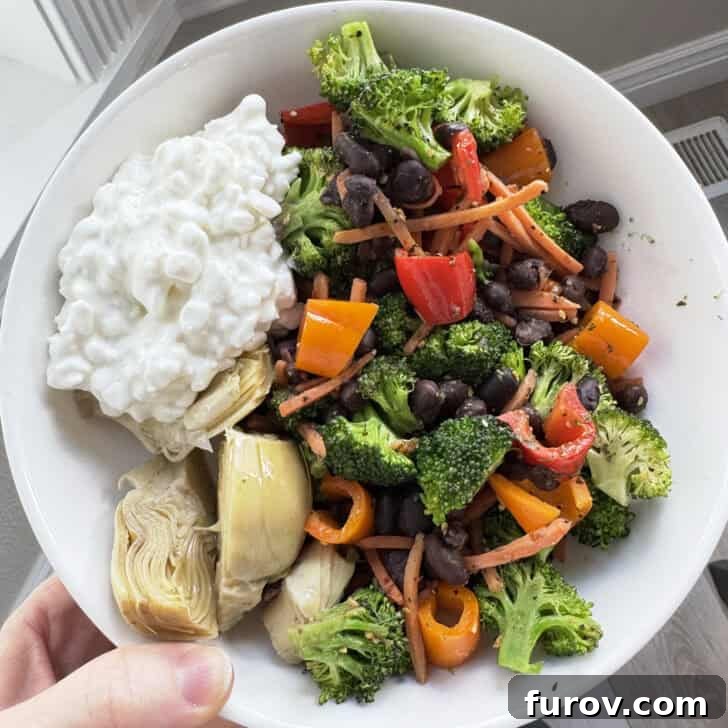
- SKILLET VEGGIE BOWL: This versatile bowl is a fantastic way to utilize fresh vegetables and plant-based protein. Heat one tablespoon of extra virgin olive oil in a skillet over medium heat. Add one to two cups of any fresh vegetables you have on hand; in the photo, I used crisp broccoli florets, colorful bell peppers, and shredded carrots, but feel free to customize. Season generously with salt and freshly ground black pepper. Sauté for two to three minutes until the vegetables are crisp-tender, retaining a slight bite. If needed, a couple tablespoons of broth or water can be added to prevent sticking and aid cooking. Stir in half a cup of rinsed and drained black beans or cooked lentils, excellent sources of fiber and protein. Cook until thoroughly heated. Taste and adjust seasonings as desired. Serve immediately, garnished with drained, canned artichoke hearts and a dollop of cultured cottage cheese for a creamy, protein-rich addition.
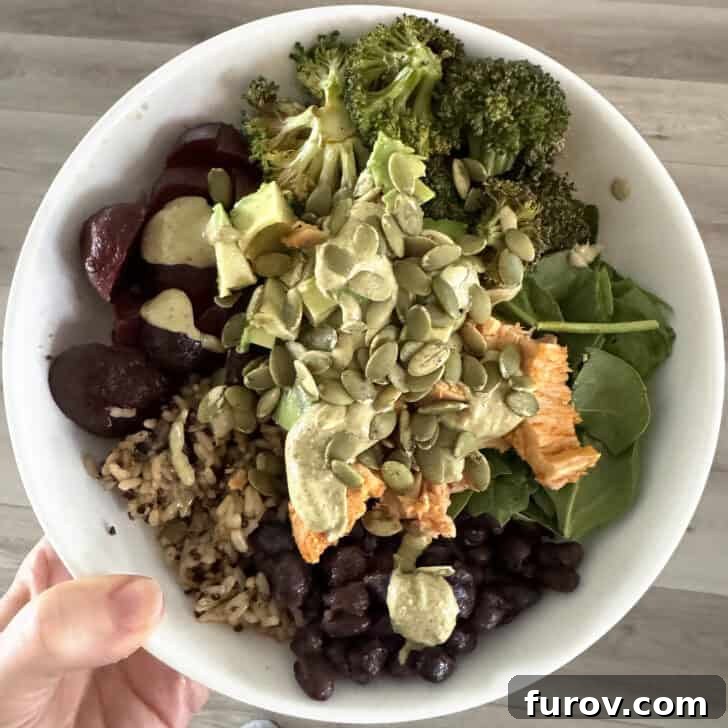
- TUNA, BROWN RICE AND BLACK BEAN BOWL: A nutrient-packed and highly satisfying meal, perfect for a quick lunch or dinner. In a large bowl, combine warmed brown rice or quinoa (I highly recommend this convenient brand for ease). Add a can of drained tuna (the spicy albacore tuna from Fishwife brand at Costco, shown in the image, is a personal favorite for an extra kick). Incorporate a generous handful of fresh spinach, half a cup of canned black beans (rinsed and drained), and several slices of cooked beets (Love Beets from Costco are incredibly convenient and delicious). Cube half an avocado for healthy fats, and toss in any leftover roasted vegetables you have. Drizzle with Bitchin’ spinach artichoke sauce for a creamy, flavorful dressing, and top with a sprinkle of roastedpumpkin seeds for crunch and additional nutrients.
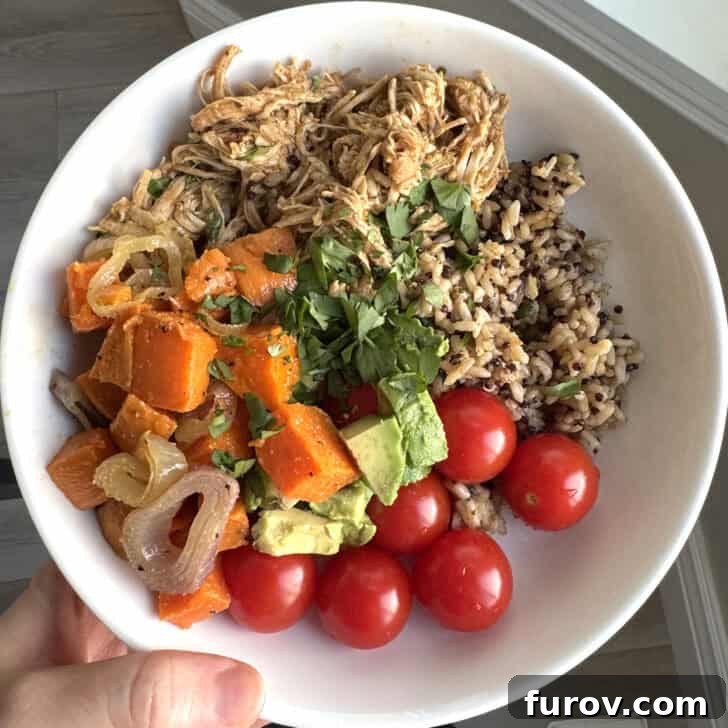
- SALSA VERDE SWEET POTATO BOWL: A vibrant and flavorful bowl that brings together savory and fresh elements. In a spacious bowl, combine tender salsa verde chicken (or a plant-based alternative for a meatless version), alongside caramelized roasted sweet potatoes and onions, which add a delightful sweetness. Add creamy diced avocado for healthy fats and a satisfying texture, and a generous portion of warm brown rice or quinoa as a fiber-rich base. Brighten the bowl with halved cherry tomatoes and a sprinkle of freshly chopped cilantro, enhancing both flavor and visual appeal.
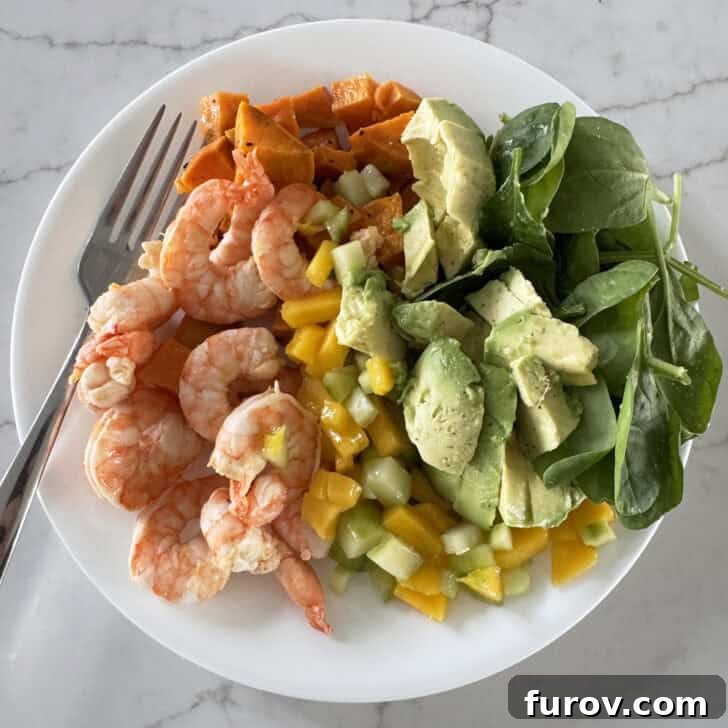
- SHRIMP WITH MANGO CUCUMBER SALSA: This refreshing dish is bursting with tropical flavors and lean protein. Begin by seasoning half to one pound of fresh shrimp with a pinch of salt and black pepper. Heat one tablespoon of olive oil in a skillet over medium-high heat. Add the seasoned shrimp and cook for just a couple of minutes until they turn pink and are fully cooked through, flipping once. Remove the cooked shrimp to a plate. Serve the shrimp alongside any leftover roasted vegetables (sweet potatoes are pictured and highly recommended), a bed of fresh spinach, diced avocado, and a generous serving of the homemade mango-cucumber salsa. To prepare the salsa, finely dice half an English cucumber and one medium ripe mango. Toss them together with a pinch of salt and pepper, one tablespoon of fresh lime juice, and a light drizzle of olive oil. The combination is incredibly delicious and vibrant!
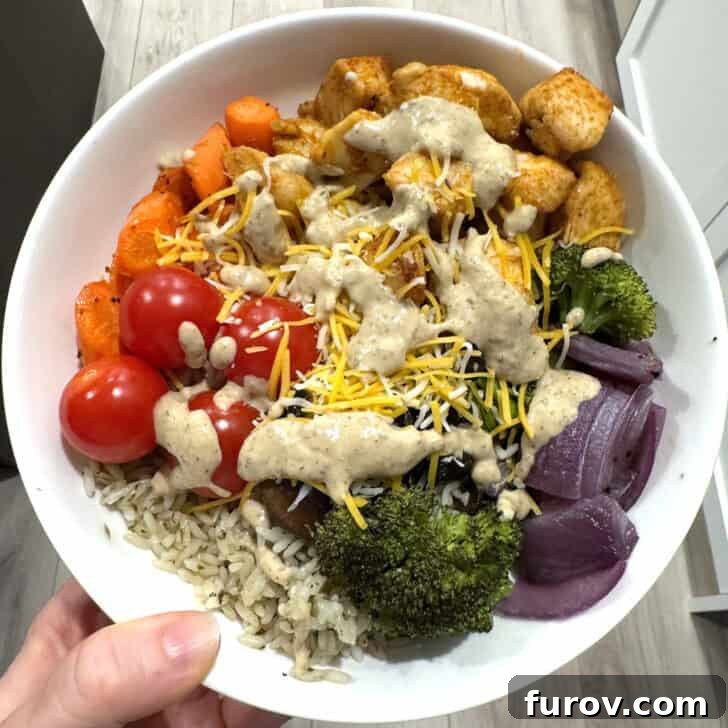
- TEX-MEX CHICKEN AND VEGGIE RICE BOWL: A satisfying and customizable bowl with Tex-Mex flair. Season bite-sized pieces of boneless, skinless chicken breast with a pinch each of salt, pepper, garlic powder, cumin, chili powder, and oregano. Drizzle the chicken with olive oil and toss to ensure even coating. Cook the chicken either in an air fryer at 390 degrees F for 8 to 9 minutes, or pan-fry it in a skillet with olive oil until fully cooked through and lightly browned. Serve this flavorful chicken with fragrant cilantro lime rice (either homemade or using convenient heat-and-serve packets from Costco). Accompany with a generous serving of roasted vegetables (pictured are vibrant carrots, crisp broccoli, and sweet red onions). For an added layer of flavor and creaminess, a light sprinkle of cheese and a drizzle of Bitchin’ sauce can be included, if desired.
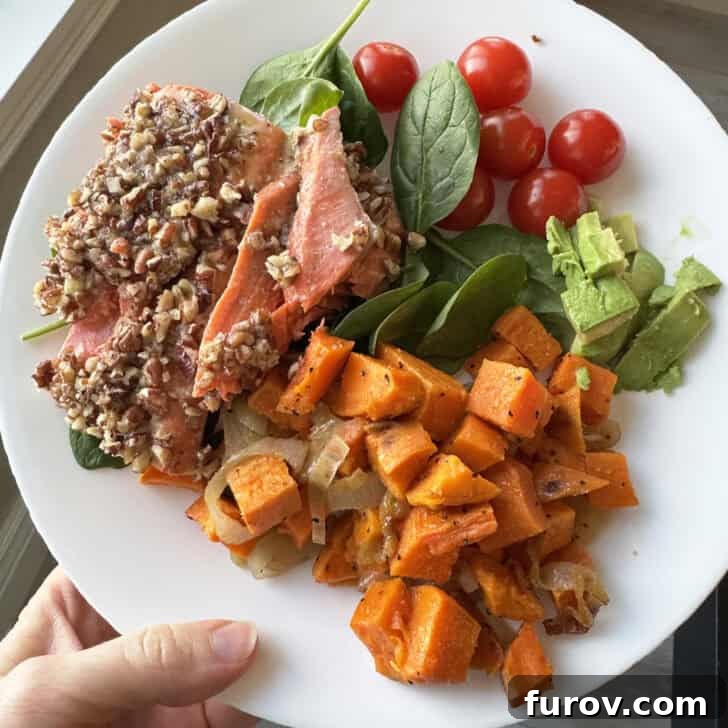
- MAPLE PECAN SALMON PLATE: This elegant and nutritious salmon dish combines sweet and savory notes beautifully. In a small bowl, whisk together one tablespoon of olive oil, one tablespoon of pure maple syrup, half a teaspoon of salt, a quarter teaspoon of ground Dijon mustard, and a pinch of freshly ground black pepper until well combined. Brush this delectable mixture evenly over the top of two to three salmon fillets. Firmly press finely chopped pecans onto the seasoned surface of each fillet, creating a delicious crust. Bake the salmon in an oven preheated to 325 degrees F for approximately 20 minutes, or until it is cooked through and flakes easily. Serve these exquisite salmon fillets on a bed of fresh spinach, alongside a generous portion of leftover roasted vegetables (sweet potatoes are pictured and pair wonderfully), creamy diced avocados, and bright cherry tomatoes.
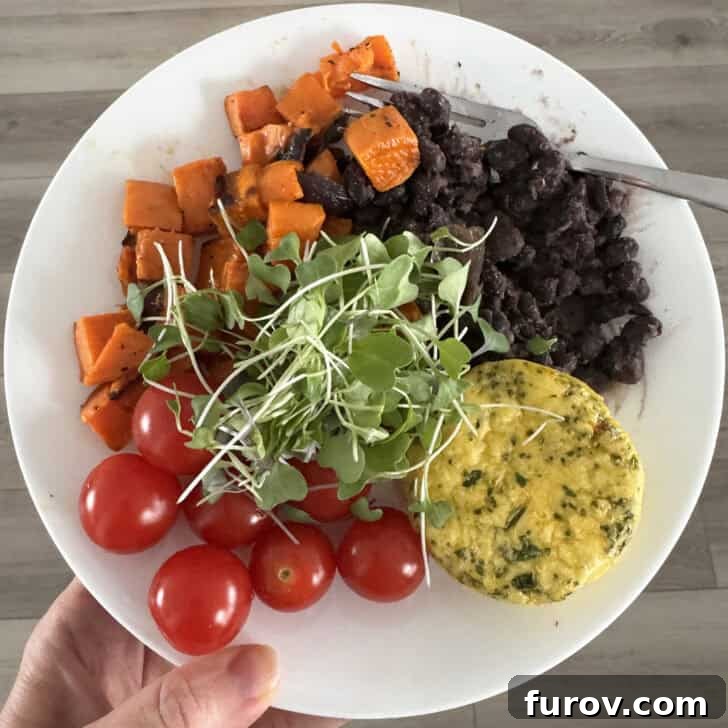
- EASY BLACK BEAN LUNCH OR BREAKFAST PLATE: This simple yet satisfying plate is perfect for any meal of the day, packed with fiber and protein. Begin by gently heating leftover roasted sweet potatoes (or any other roasted vegetables you have) in a skillet or microwave, combining them with half a cup of drained black beans or lentils. Season generously with salt and pepper to enhance their flavors. Arrange this hearty mixture on a plate alongside one or two of my homemade egg bites (prepared meatless with extra vegetables and feta cheese for an anti-inflammatory twist). Complete the plate with fresh cherry tomatoes and a sprinkle of nutrient-dense microgreens (or a handful of fresh spinach) for added freshness and vitamins.
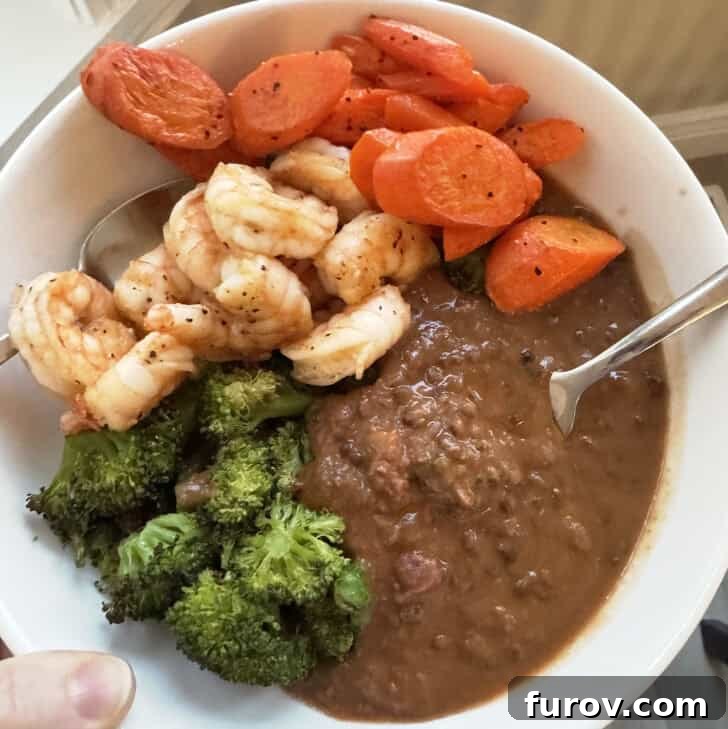
- SHRIMP AND LENTIL BOWL: A nourishing and easy-to-assemble bowl. Start with a base of my comforting lentil soup or warmed Tasty Bite Madras Lentils, both excellent sources of plant-based protein and fiber. Serve this in a bowl, complemented by a generous portion of roasted vegetables (pictured are vibrant carrots and crisp broccoli, prepared ahead of time for convenience). For an added boost of lean protein, include leftover cooked shrimp, making this a complete and satisfying meal.
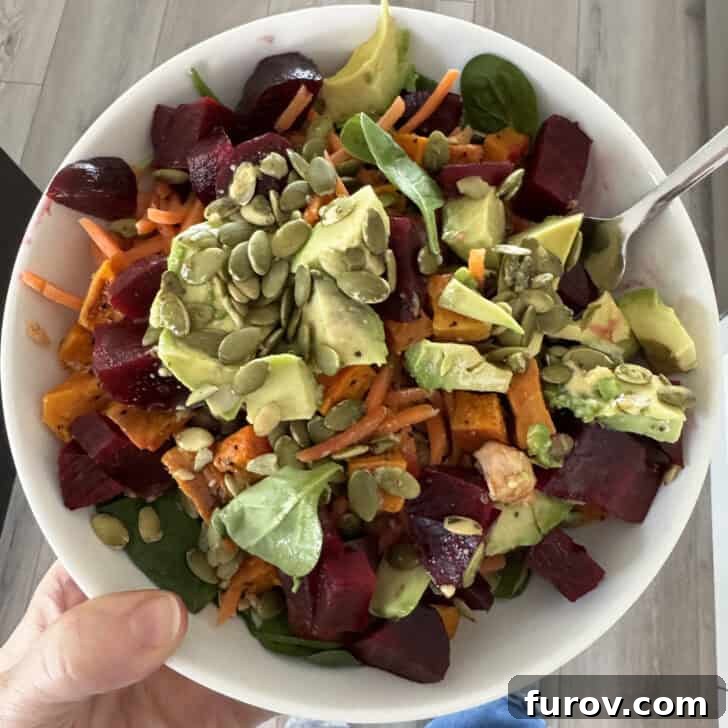
- LENTIL BEET SALAD: (This vibrant and nutrient-dense salad quickly became one of my absolute favorites on this list, a frequent choice for a satisfying lunch!) In a large bowl, create a delicious layered base with half a cup of cooked and lightly warmed brown rice or quinoa, providing a wholesome foundation. Add half a can of tuna or leftover salmon or other preferred protein; for a delicious meatless option, simply omit the protein. Layer with one cup of chopped fresh baby spinach and kale mix, offering a powerful boost of greens. Incorporate two to three small cooked beets, diced (I find the Love Beets from Costco incredibly convenient), a handful of shredded carrots, and about one-third of a can of rinsed and drained lentils for extra fiber and protein. Cube half an avocado for creamy, healthy fats, and sprinkle with crunchy roasted pumpkin seeds (Go Raw brand from Costco or Trader Joe’s are excellent choices). Drizzle generously with this homemade dressing (I typically eyeball the measurements): one tablespoon of extra virgin olive oil, one tablespoon of apple cider vinegar or fresh lemon juice, a quarter teaspoon of Dijon mustard, and a pinch each of garlic powder, salt, turmeric, and black pepper. The flavors meld beautifully for an incredibly satisfying meal.
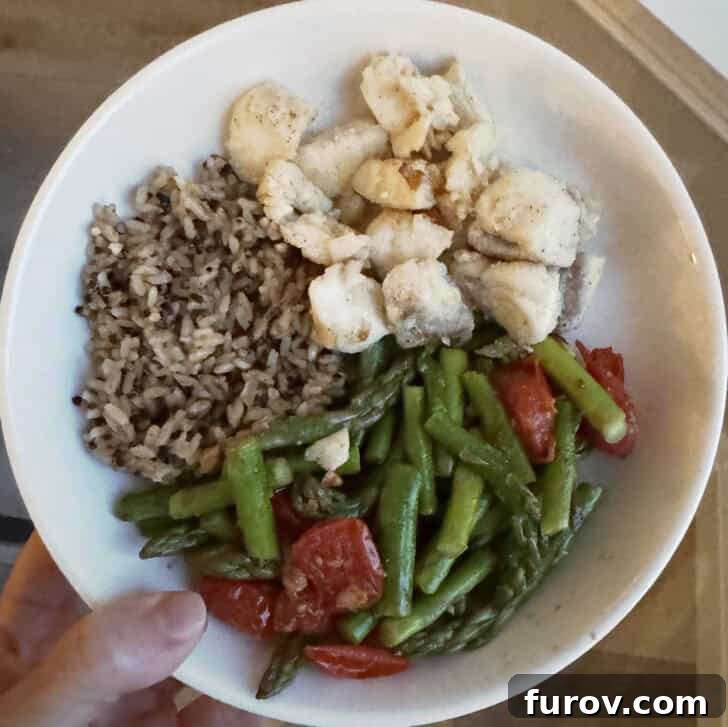
- SKILLET GARLICKY COD, ASPARAGUS AND TOMATOES: (This quickly became a beloved dinner option for me—I likely prepared it more than any other dinner idea in this post!) In a large skillet, heat one tablespoon of extra virgin olive oil over medium-high heat. Cut cod, halibut, or another firm white fish into one-inch pieces and pat them thoroughly dry with paper towels; season generously with salt and pepper. Place the fish in a single layer in the hot oil and cook for a quick 30 to 60 seconds per side. Add two cloves of minced garlic and continue cooking, stirring gently, for another minute or so until the fish is opaque and cooked through. Carefully scrape the cooked fish onto a plate and set aside. Add another tablespoon of olive oil to the same skillet. Incorporate one to two cups of halved cherry tomatoes and one to two cups of chopped asparagus, green beans, or broccoli. Sprinkle with salt and pepper. Cook, stirring occasionally, until the cherry tomatoes have burst and the vegetables are crisp-tender. Return the reserved fish to the skillet and stir gently to combine and heat through. Taste and adjust seasonings with salt and pepper as needed. Serve this flavorful fish and vegetable medley over warm brown rice for a complete meal (optional).
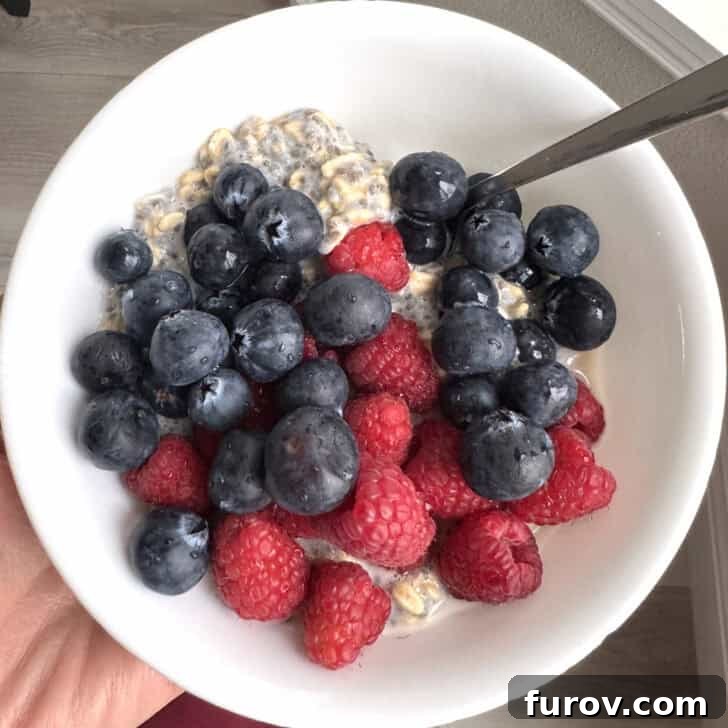
- OVERNIGHT CHIA OATS: (This has become my ultimate go-to breakfast for weeks now, boasting an impressive fiber content and utterly delicious flavor.) I confess, I was never a fan of overnight oats until I discovered this recipe. In a container with a tight-fitting lid, combine one cup of rolled oats (I prefer the sprouted rolled oats from Costco for extra benefits), two tablespoons of chia seeds, and two tablespoons of basil seeds. Basil seeds offer double the fiber and protein compared to chia seeds and are virtually tasteless. They rehydrate with a slightly different, more tapioca-like consistency, but you can use all chia seeds or all basil seeds if preferred; I find the half-and-half combination provides the best texture. Add a quarter teaspoon of cinnamon, a pinch of salt, two and a quarter cups of unsweetened almond milk (or your preferred milk), and one tablespoon of pure maple syrup (add more to taste if you desire a sweeter oat mixture). Stir all ingredients thoroughly until well combined. Cover and refrigerate for a minimum of 12 hours, though 18 hours or more yields the best results. Each morning, I scoop out one-third of this oat mixture and generously top it with fresh berries. The consistency is delightfully pudding-like, but you can always add more milk to achieve your desired thickness. If the idea of cold oats initially put you off, it did for me too! But this recipe genuinely converted me. I absolutely love it. If you prefer, you can gently warm it before eating. You can see me prepare these oats on Instagram here.
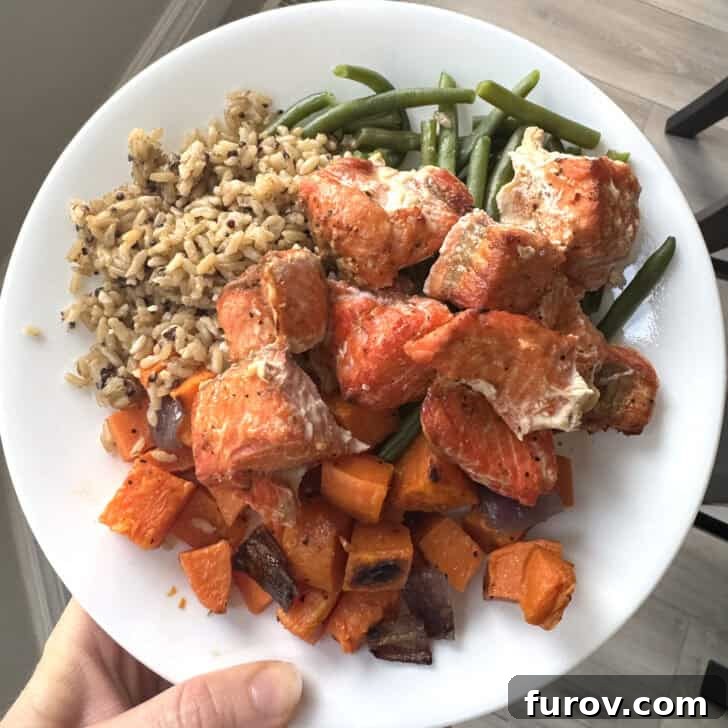
- LEMON GARLIC SALMON BITES WITH BROWN RICE AND VEGGIES: A quick, flavorful, and incredibly healthy meal. Cut skinless salmon fillets into one-inch pieces. Drizzle them with olive oil. Season generously with a pinch of salt, black pepper, and garlic powder. Cook the salmon bites either in an air fryer at 390 degrees F for 6 to 8 minutes until cooked through and slightly crispy, or pan-fry them in a skillet with olive oil until they are opaque and flaky. Once cooked, remove from heat and immediately drizzle with fresh lemon juice for a bright, zesty finish. Serve these delicious salmon bites with a wholesome base of brown rice or quinoa, and a hearty portion of leftover roasted vegetables (pictured are sweet potatoes and my simple skillet green beans, prepared ahead of time for ultimate convenience). This combination ensures a meal rich in omega-3s, fiber, and essential nutrients.
Three Essential Strategies for Sustaining My Anti-Inflammatory Diet
I quickly discovered that adherence to this new way of eating necessitated a few key practices to ensure consistent success. Primarily, this involved a dedicated approach to advanced food preparation, allowing me to effortlessly retrieve nutritious components from the refrigerator for quick and easy lunches and dinners.
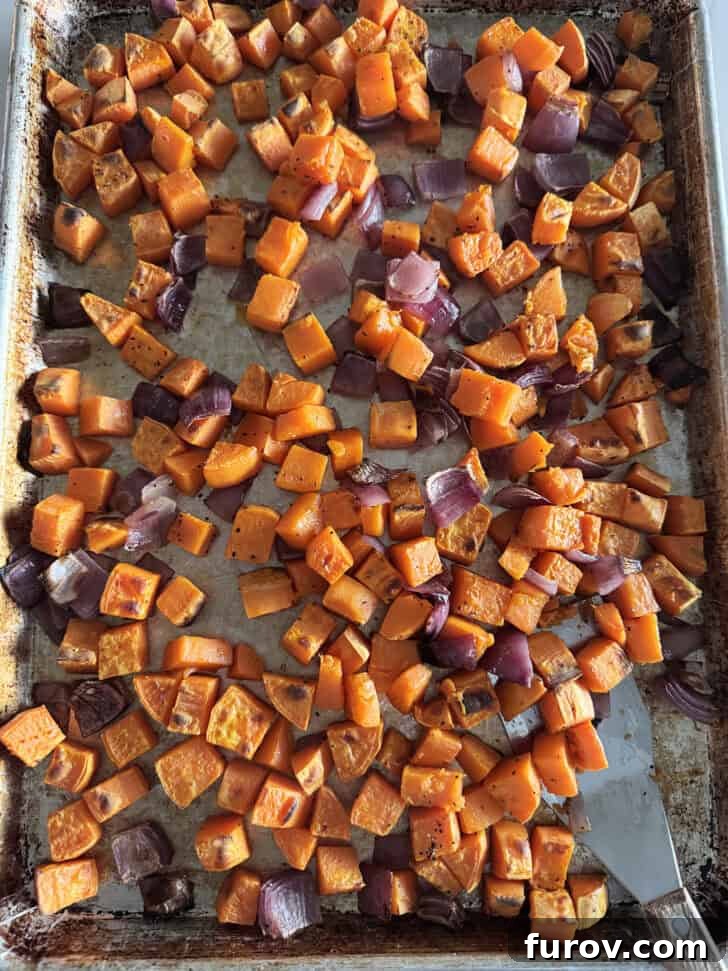
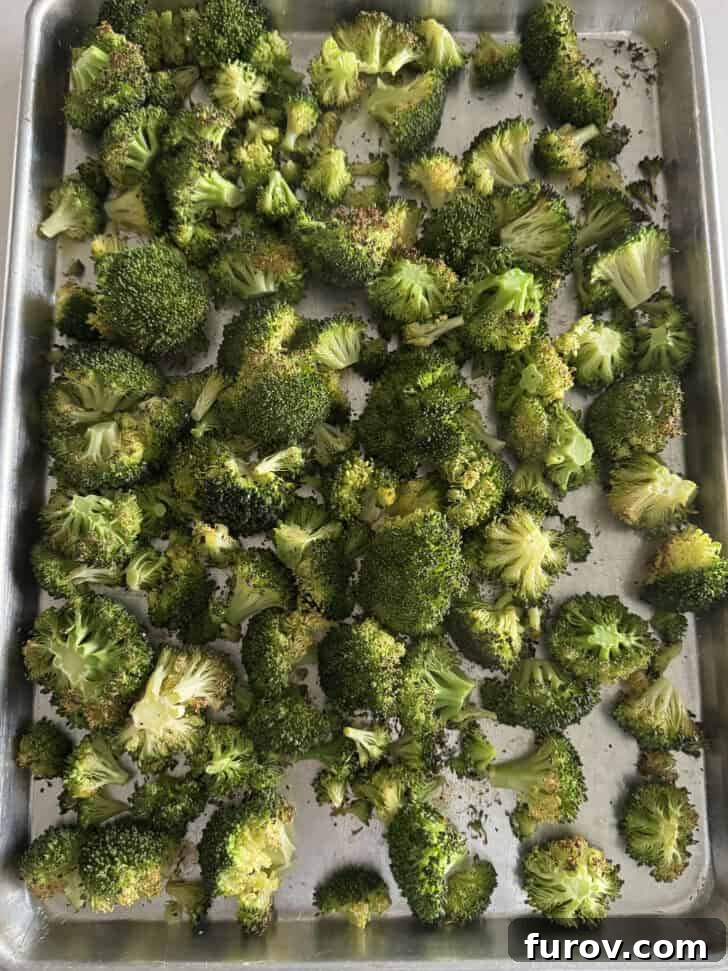
- Strategic Batch Roasting of Vegetables: This was perhaps the most impactful strategy. I would dedicate time at the beginning of each week, and typically once more mid-week, to roast large sheet pans of various vegetables. My go-to choices included broccoli, cauliflower, green beans, asparagus, and sweet potatoes, among others. These roasted vegetables store exceptionally well in the refrigerator and reheat beautifully in the microwave if I prefer them warm (though, I confess, I’m one of those “weirdos” who often enjoys leftovers cold – no judgment, please!). A consistent favorite involves roasting sweet potatoes with chopped shallots or generous chunks of red onions, as this combination imparts an incredible depth of flavor to the sweet potatoes. For general vegetables like broccoli, cauliflower, or carrots, I simply drizzle them with olive oil, sprinkle with salt and pepper, and roast in a 350-degree F oven until they reach a crisp-tender consistency, which typically takes about 15 minutes. Carrots, being denser, usually require a bit longer, around 20 to 25 minutes. For perfect roasted sweet potatoes and onions, I coat them with olive oil, salt, and pepper, then roast them in a hotter oven set at 425 degrees F for approximately 20 minutes, remembering to shake the pan or toss the vegetables once midway through cooking to ensure even caramelization.
- Maintaining a Well-Stocked Pantry with Ready-to-Eat Foods: To further simplify meal assembly and prevent dietary slip-ups, I made sure to always have several convenient, ready-to-eat (or quick-to-heat) food items readily available in my pantry. I’ll detail these specific items below. This proactive approach proved invaluable in making the process of throwing together a wholesome meal astonishingly easy, even on busy days.
- Diligent Tracking of Fiber and Water Intake: It’s no exaggeration to say that without consciously tracking my fiber intake, I would never consistently achieve my goal of 30 to 40 grams of fiber per day. This insight comes from someone who genuinely dislikes tracking any food metric using an app. Historically, I’ve always avoided tracking calories or macronutrients, as I find that intuitive eating profoundly supports my mental and emotional well-being. However, when it came to fiber and water, I quickly realized I was drastically under-consuming both before adopting this dietary pattern. Tracking became the most direct route to understanding how to easily boost my fiber intake and which foods and serving sizes were most effective. I utilize the Chronometer app, customizing it to display only the metrics I care about. Essentially, I focus on fiber, protein, and a select few other essential nutrients. This targeted tracking has provided immense clarity without overwhelming me with unnecessary data.
A Crucial Note on Fiber and Hydration: You may already be aware, but it’s essential to emphasize that when significantly increasing your dietary fiber intake, a gradual approach is gentler on your digestive system. Furthermore, the more fiber you consume, the greater your body’s need for increased water intake. Without adequate hydration, a high-fiber diet can paradoxically lead to uncomfortable bloating and constipation. I make it a priority to consume between 64 and 80 ounces of water daily, a target directly linked to my 30 to 40 grams of fiber goal. I consistently track my water consumption on the Chronometer app, as I know from experience that without this active monitoring, I tend to fall short of my hydration needs.
⬇️ My Go-To Ready-to-Eat Pantry Staples: Essential for Success ⬇️
While I primarily source these items from Costco, they are widely available at most major grocery stores or through online retailers. I’ve included links (some of which are Amazon affiliate links) to help you visualize the products and find them at your preferred shopping location.
- Go Raw Sprouted Roasted Pumpkin Seeds: These crunchy seeds are a fantastic source of healthy fats and minerals, perfect for adding texture to salads or enjoying as a snack.
- Seeds of Change Microwaveable Brown Rice and Quinoa: An absolute lifesaver for quick meals, these pouches provide a wholesome, fiber-rich base in minutes.
- Tasty Bite Madras Lentils: While these might not be 100% strictly anti-inflammatory for everyone due to various ingredients, I occasionally enjoyed them and found them to be a convenient and satisfying meal component without any adverse effects.
- Bitchin’ Sauce (Dill Pickle Flavor): My favorite flavor, which may sound unconventional, but I used this creamy, plant-based sauce as a delicious drizzle over many of my meals, particularly as a healthy substitute for the creamy dressings typically served with the linked recipes above.
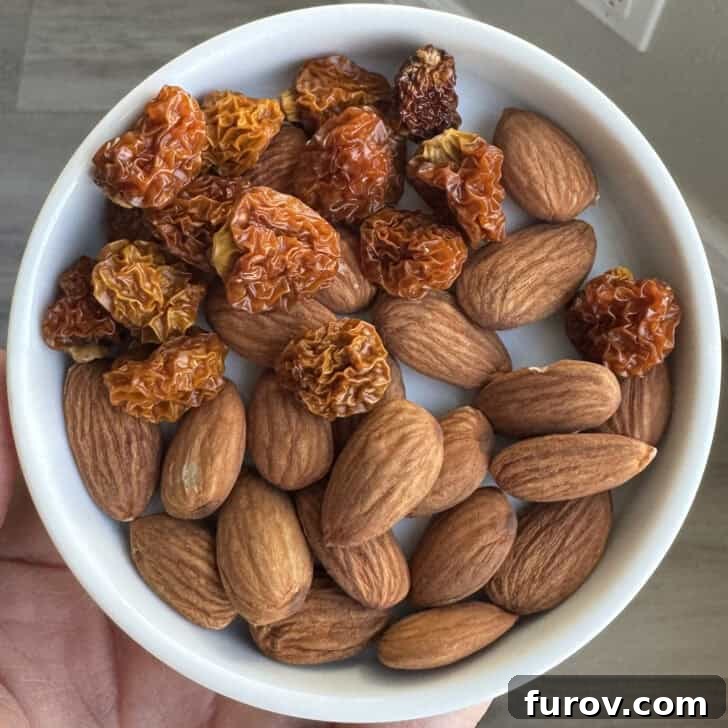
- Golden Berries: I enjoyed a small handful of these tart, dried berries every afternoon, often paired with almonds, for a burst of flavor and antioxidants.
- Canned Lentils: A new discovery for me, canned lentils quickly became a staple. I purchased this brand on Amazon and also found excellent options at Trader Joe’s. They are incredibly convenient for adding protein and fiber to any dish.
- Love Beets Cooked Beets: These pre-cooked beets from Costco are a fantastic shortcut, making it easy to incorporate the earthy sweetness and nutritional benefits of beets into meals without the fuss of cooking them from scratch.
In my deliberate effort to increase my intake of beneficial nuts and seeds, I adopted a daily ritual of eating a handful of almonds every afternoon. Sometimes these were enjoyed simply on their own, and other times I paired them with the delightful tartness of the dried golden berries mentioned above, creating a balanced and satisfying snack.
Unexpected Victories: The Results of My Anti-Inflammatory Diet
This is undeniably the question everyone is eager to have answered: Did it actually work? I am committed to sharing an entirely transparent and honest account of my experience.
As of the publication date of this blog post, I have consistently followed an anti-inflammatory diet for six weeks.
Outcomes for Hand and Hip Pain: Regrettably, my dedicated dietary changes did not alleviate my hand or hip pain. Several weeks into the anti-inflammatory regimen, feeling a sense of disappointment, I decided to seek help from a physical therapist I had consulted for a different issue in the past. Following a thorough evaluation, he confidently assured me that we could identify and address the root causes of my hand and hip pain. To date, I’ve completed four sessions, and I’m thrilled to report that my hand and hip pain have already vastly improved! I honestly don’t know why it took me so long to consider physical therapy! This positive development has significantly uplifted my spirits, mitigating any frustration I felt when my dietary efforts didn’t impact my pain levels.
HOWEVER…(please continue reading, as there were indeed some incredibly encouraging results)…
For decades, I’ve battled with very high cholesterol, a predisposition shared by most of my siblings. Despite my resistance to medication, my cholesterol numbers have steadily climbed year after year. My LDL (low-density lipoprotein, often referred to as “bad” cholesterol) has been particularly high, though my HDL (high-density lipoprotein, or “good” cholesterol) has also been elevated, which is a favorable indicator.
Just last week, I underwent bloodwork and subsequently met with my doctor. And what a surprise awaited me!
My LDL cholesterol plummeted from a staggering 183 to an impressive 121! I was absolutely astonished and nearly fell off the exam table when my doctor revealed the bloodwork results! I could scarcely believe the dramatic reduction, and neither could my physician. In the past, I’ve attempted various lifestyle and dietary modifications, but they consistently yielded little to no effect on my cholesterol levels. (Admittedly, I had never been as meticulously diligent as I was with this recent eating pattern).
This news was incredibly encouraging! While I still aim to bring my LDL number below the ideal threshold of 100, I now feel a renewed sense of hope and optimism that this goal is truly achievable!
Now, I want to be exceptionally clear: I am not asserting that my anti-inflammatory diet was the singular factor responsible for this significant drop in cholesterol. I have also been on HRT (Hormone Replacement Therapy) for approximately a year, and there is substantial evidence suggesting that estrogen can positively influence cholesterol levels. (However, it’s worth noting that despite having blood work done every few months over the past year, my cholesterol had not dropped until this recent period). Additionally, I have experienced a modest weight loss over the last few weeks while following this diet. While weight loss was not my primary objective (and I’m hesitant to even mention it, as I strongly advocate for “strong over skinny” and view my body as “an instrument, not an ornament”), it’s important to acknowledge its potential contribution, as weight reduction can also exert a positive effect on cholesterol.
My doctor’s professional opinion leans towards the significant increase in dietary fiber as the primary driver behind the substantial improvement in my cholesterol numbers (rather than the anti-inflammatory diet as a holistic entity, though the diet certainly served as the effective vehicle for me to achieve such high fiber intake). As he explained, dietary fiber, particularly soluble fiber found abundantly in foods like oats, beans, and avocados, plays a crucial role. It binds to LDL cholesterol in the digestive tract, effectively preventing its absorption into the bloodstream and facilitating its removal from the body.
As is often the case with health matters, it’s challenging to pinpoint the exact causal factor for the cholesterol reduction, but I unequivocally consider this profound change a monumental success derived from my dedication over the past six weeks.
Sustaining Health: My Future Eating Strategy
So, what does this remarkable journey mean for my eating habits moving forward? Without a doubt, adopting a plant-forward diet is an exceptional way to live, offering a multitude of well-documented health benefits. The positive impact on overall well-being is undeniable.
However, I also recognize that maintaining the strictness of this anti-inflammatory diet indefinitely isn’t feasible (nor is it something I desire). Consistently preparing two separate meals – one for myself and one for my family – is simply not a sustainable long-term solution. Moreover, I am passionate about continuing to share everyday, family-friendly, scratch-made recipes on my blog. I firmly believe there is ample room to achieve all these goals simultaneously, carefully balancing my health priorities with my lifestyle and family needs.
My evolved plan is to continue adhering to an anti-inflammatory regimen quite strictly for breakfast and lunch. Since I am almost always home during the day, this is easily manageable. And, truthfully, I genuinely enjoy vegetables, so this approach feels effortless and enjoyable. For dinner, I will continue to incorporate an abundance of vegetables into our family meals, and I will eat the same dishes I prepare for my family, including dessert on occasions when I feel like it.
My overarching and most critical goal remains to consistently consume 30 to 40 grams of fiber per day. After more than a month of dedicated practice, I’m discovering that this goal is surprisingly easy to achieve – a statement I never thought I would make, considering my prior intake was likely less than 15 grams of fiber daily. My morning chia oats have become a non-negotiable staple. When topped with fresh berries, this breakfast alone provides nearly 17 grams of fiber. By simply including half a cup of black beans or a serving of broccoli at lunchtime, I’m already well on my way to hitting the 30-gram mark.
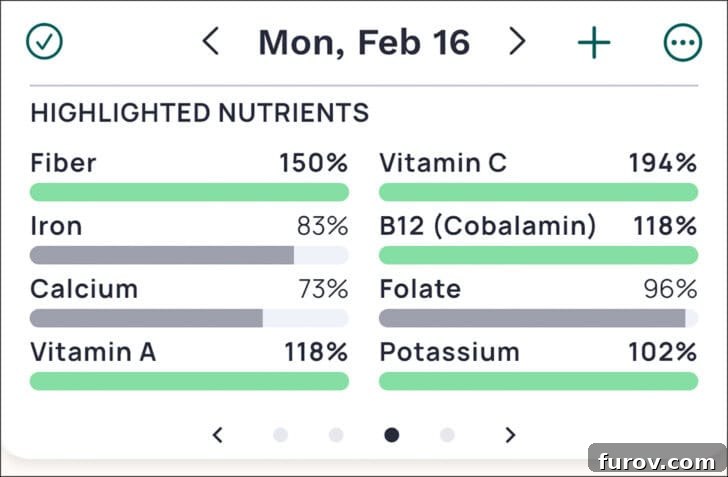
Here’s a quick snapshot of one of my typical days, meticulously tracked using the Chronometer app. My daily fiber goal is set at 30 grams. On this particular day, I started with my nourishing chia oats adorned with fresh berries for breakfast (recipe detailed earlier in this post). Lunch consisted of the flavorful lentil beet salad (also described above). For dinner, I enjoyed a balanced plate of salmon, green beans, and brown rice. This strategic combination allowed me to reach 150% of my fiber target, totaling an impressive 45 grams. 🎉
I plan to have my blood work re-evaluated in approximately six months to assess the impact of this more moderate, yet consistently high-fiber, approach. This will provide valuable data to further refine and adapt my dietary strategy as needed.
I understand this has been a wealth of information, much of it deeply personal and tailored to my specific lifestyle. However, my sincere hope is that it offers valuable insights and practical guidance, especially if you are seeking straightforward recipe ideas for incorporating anti-inflammatory meals into your own life.
Please remember, I am not an expert in any of these fields. I am simply a woman in her 40s, a mother, navigating this complex phase of life and proactively striving to take control of my own health. This stage of life, with its unique challenges and changes, is truly no joke!
EDITOR’S ADDITION: While I would dearly love to indulge in whatever I fancy, whenever I wish, and pretend I still possess the body, health, and metabolism of an 18-year-old, the reality is different. As I gracefully age, I increasingly recognize the profound truth that food can indeed be powerful medicine. Making better food choices – not necessarily *perfect* ones, but consistently *better* ones – is how I can fuel my body for long-term vitality and sustained health. Embracing these dietary changes undoubtedly involves some sacrifice. Unfortunately, I can’t consume cookies 24/7 and expect my cholesterol to magically lower, darn it! 😉 However, I genuinely feel that these sacrifices are profoundly worthwhile. I firmly believe there’s ample space for both healthful eating and the occasional, cherished indulgence, finding a beautiful balance that nourishes both body and soul.
It’s entirely possible that some of the statements I’ve made in this post may provoke differing opinions, or others might have their own science-backed claims to challenge my experiences. 😜 I wholeheartedly welcome a healthy and constructive discussion in the comments section below! However, I kindly request that all interactions remain friendly and respectful. Ultimately, my intention in sharing this personal journey is to offer hope and potential assistance to anyone else navigating similar health considerations. 💗