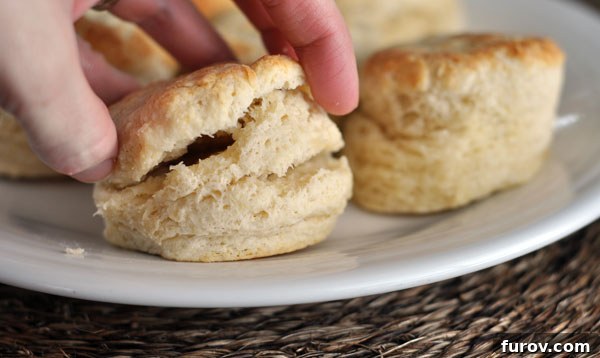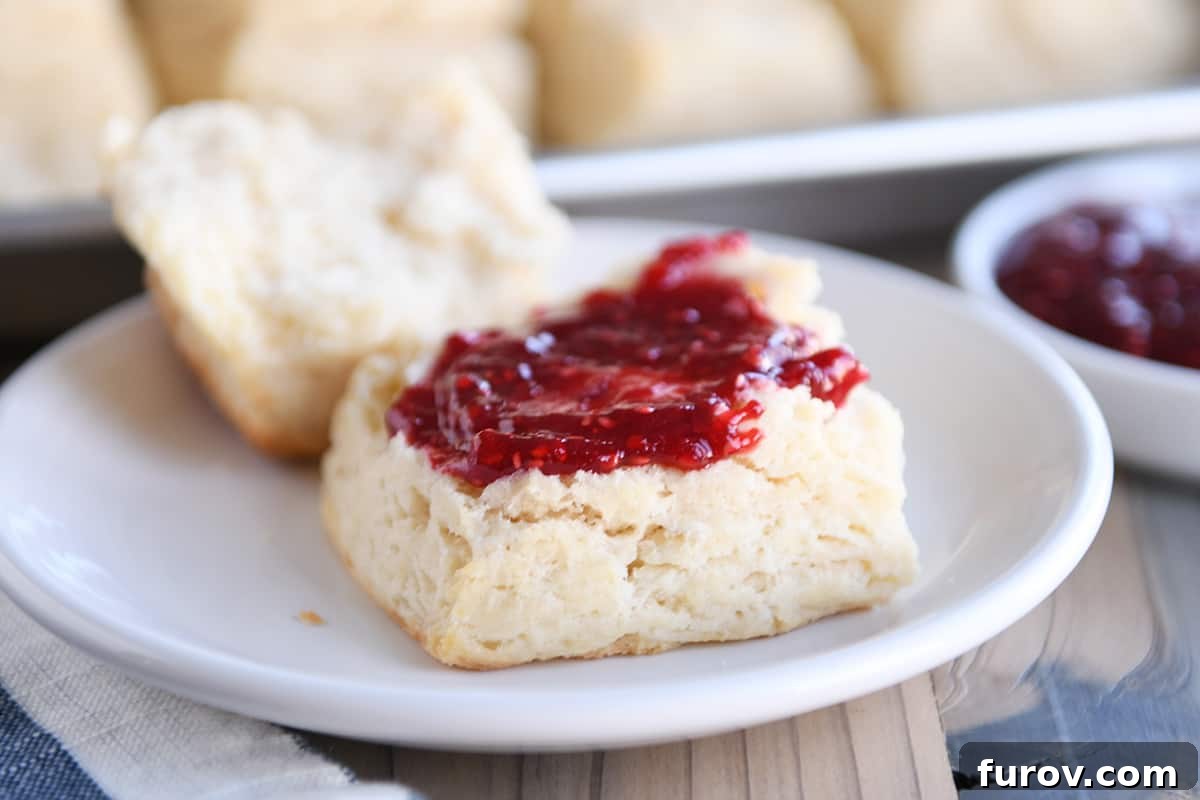
These homemade buttermilk biscuits are a revelation – incredibly flaky, wonderfully tender, and surprisingly easy to master! They bake up tall and golden, offering a rich, buttery flavor that’s perfect whether slathered with butter and jam for breakfast or forming the hearty foundation of a classic biscuits and gravy dish. Get ready to transform your kitchen into a southern comfort haven with this foolproof recipe.
For years, the thought of baking truly light and tender buttermilk biscuits at home seemed like an insurmountable challenge. I often found myself overmixing the dough, over-kneading it, and generally overthinking every single step of the process. My attempts frequently resulted in dense, lackluster biscuits that were far from the airy, layered perfection I craved. This is precisely why I leaned heavily on my trusty buttermilk drop biscuit recipe, a fantastic alternative that offered quick satisfaction without the traditional fuss.
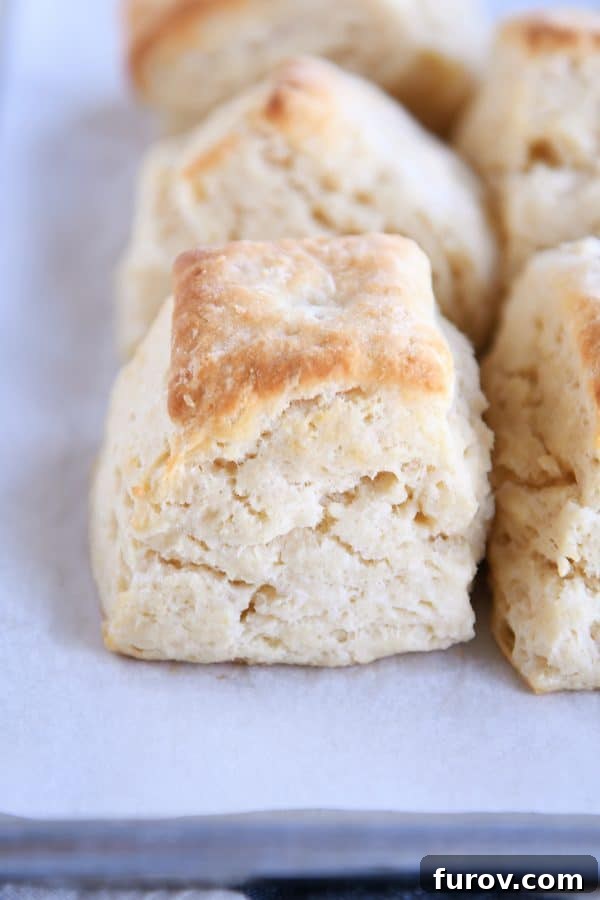
While I’ll always cherish those simple drop biscuits, a part of me longed to conquer the classic, mile-high buttermilk biscuit once and for all. I wanted that distinct, layered texture and profound buttery taste that defines a truly exceptional biscuit. And I can now confidently say, without exaggeration, that this recipe yields the absolute best flaky buttermilk biscuits you will ever make. Ever.
These biscuits have quickly become our family’s go-to bread side dish, an indispensable staple for countless meals. Unlike yeast-based breads such as breadsticks or dinner rolls, which demand significant planning for rising and kneading, these biscuits come together with remarkable speed. You don’t need to account for hours of proofing or intricate shaping; the entire process, from mixing to baking, is astonishingly quick and straightforward, making them perfect for impromptu weeknight dinners or last-minute potlucks.
If someone had told me years ago that I would be baking biscuits from scratch several times a month – and not just from a can – and even receiving requests to bring my “famous” biscuits to family gatherings, I probably would have scoffed (yes, I do possess a formidable talent for eye-rolling). Yet, here we are. This recipe has not only boosted my confidence in the kitchen but has also brought immense joy and deliciousness to our table, turning me into an unexpected biscuit enthusiast.
Beyond the Side Dish: Creative Uses for Homemade Biscuits
Since mastering this foundational biscuit recipe, I’ve discovered its incredible versatility, extending its use far beyond a simple bread side. The rich, tender dough forms a superb base for a variety of culinary creations, transforming everyday meals and desserts into something truly special. For instance, I’ve adapted this very recipe to create the savory topping for a comforting chicken pot pie, offering a more rustic and satisfying crust than traditional pastry. But the innovation doesn’t stop there.
Prepare yourself for a truly life-changing experience with biscuit cinnamon rolls. Using biscuit dough for cinnamon rolls eliminates the need for yeast and lengthy proofing, streamlining the process while delivering an incredibly soft, buttery, and utterly decadent treat. These are, quite frankly, a revelation, proving just how adaptable and impactful a great biscuit dough can be in your baking arsenal.
While I foresee myself continuing to reinvent chocolate chip cookies until the end of my days – constantly seeking that elusive perfect balance of chewiness and crispness – I honestly don’t anticipate ever needing to experiment with another classic, super flaky buttermilk biscuit recipe. This one, truly, is *the* one. It’s the only biscuit recipe I’ll ever need, consistently delivering perfection and proving that some classics are simply unimprovable.
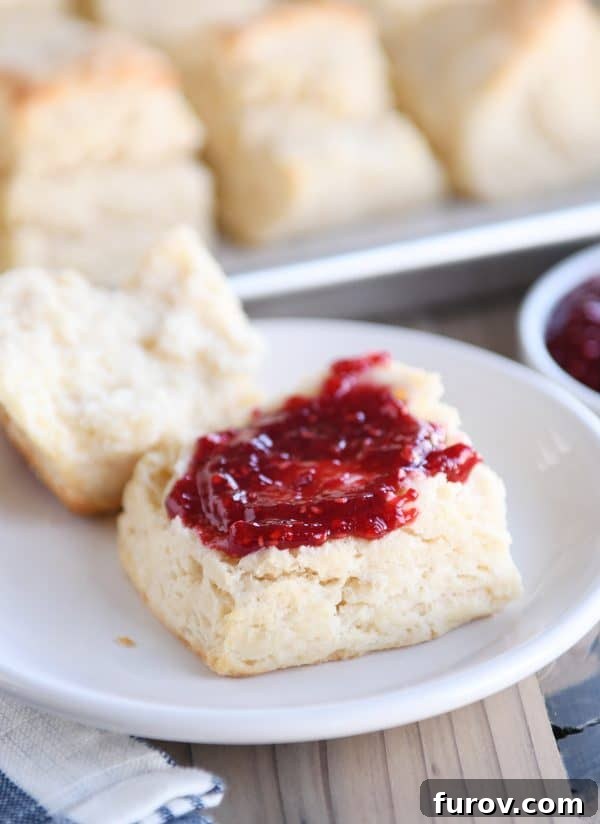
Unlocking the Secrets to Perfect Flaky Buttermilk Biscuits
My journey to conquering homemade biscuits reached a turning point when I began incorporating a food processor into the dough preparation. The cornerstone of successful, ultra-flaky biscuits lies in a technique similar to making perfect pie crusts: you must avoid overworking the dough. This is paramount because the secret to those incredible layers is keeping the butter pieces as cold as possible while they are being integrated into the dry ingredients.
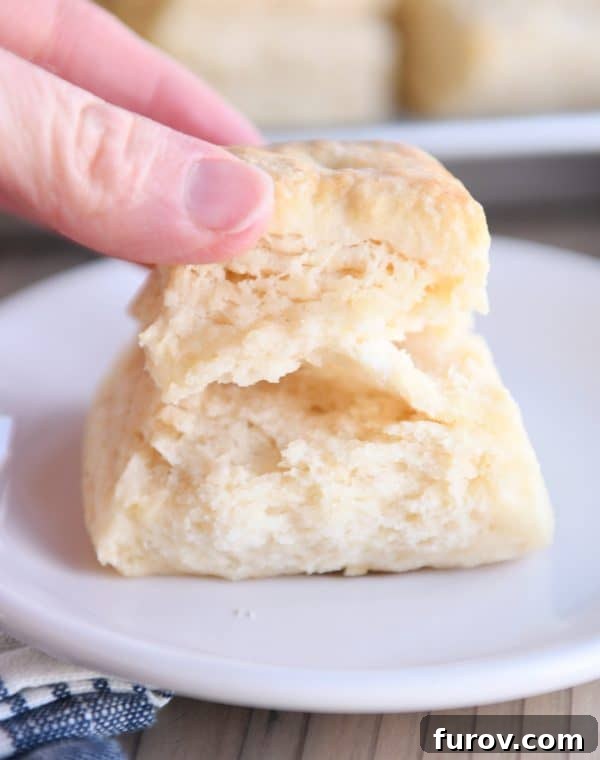
During baking, these small, cold pockets of butter begin to melt and sizzle, releasing steam. This steam then forces apart the layers of dough, creating countless delicate, airy pockets throughout the biscuit. The result is an incredibly tender interior and that coveted, melt-in-your-mouth flakiness that defines a truly superior biscuit. And trust me, you absolutely want that ultra-flaky texture.
However, if a food processor isn’t an option in your kitchen, do not despair! You can absolutely still achieve these phenomenal biscuits. The key to success without a machine involves grating very cold or even frozen butter directly into your dry ingredients using a box grater. This method ensures that the butter remains in small, distinct pieces, mimicking the action of a food processor. Quickly toss the grated butter with the flour mixture, then gently stir in the buttermilk. The crucial step remains: do not overmix the dough. With a little care and speed, you can achieve biscuit perfection, I promise.
The science behind this process is fascinating. When you combine cold butter with flour, you’re essentially encapsulating tiny pockets of butter within the dough. As the biscuits bake in a hot oven, the water content in the butter rapidly turns into steam. This steam pushes the layers of dough apart, creating the signature flaky texture. Overworking the dough warms the butter and develops too much gluten, which leads to tough, dense biscuits instead of the light, airy ones we’re aiming for. The food processor simply makes this process quicker and more efficient in maintaining the cold temperature, but with a bit of manual dexterity, you can achieve the same fantastic results.
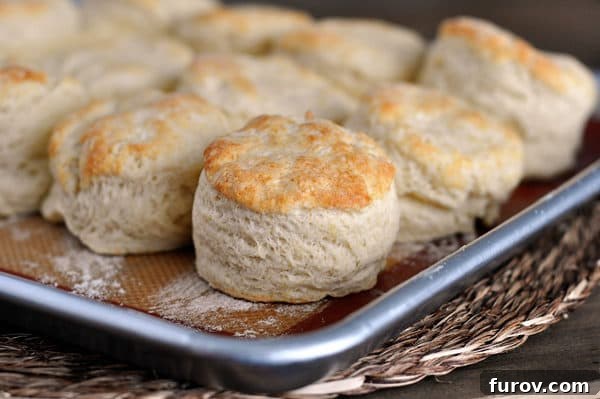
Over the years, after making this recipe countless times, I’ve evolved my approach to shaping. While the classic round biscuit is undeniably charming, I’ve found a more efficient method. Instead of endlessly cutting circles with a biscuit cutter and re-rolling scraps, I now simply pat the dough into a thick rectangle. Then, I use a bench scraper or a sharp knife to cut the dough into square biscuits. This simple technique dramatically reduces waste and streamlines the entire process. You can observe both the traditional round and the modern square examples in the images above, demonstrating that both methods yield delicious results.
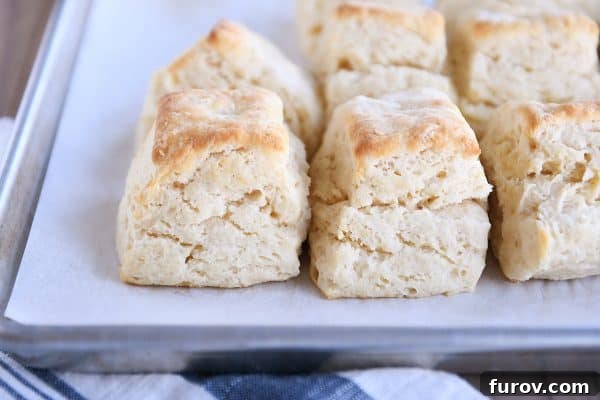
And guess what? Square biscuits taste *just* as delicious as their round counterparts, with absolutely no compromise on flavor or texture. The significant advantage is that you eliminate the need to gather and reroll the dough scraps. This is a game-changer, as those rerolled and recut biscuits often tend to be tougher and less flaky than the initial batch. By opting for squares, you ensure every biscuit is consistently tender and perfectly layered, maximizing your baking efficiency and enjoyment.
I genuinely hope you’ll embrace the rewarding experience of making homemade biscuits. Whether you’re a novice in the kitchen, just starting your baking adventure, or a seasoned pro who has already perfected many recipes, I believe this particular recipe has the potential to become your new favorite go-to, just as it has become for me. There’s an unparalleled satisfaction in pulling a tray of warm, golden, flaky biscuits from the oven, filling your home with an irresistible aroma, and knowing you created such a delicious treat from scratch.
One Year Ago: Crab and Goat Cheese Ravioli
Two Years Ago: Smoked Mozzarella and Penne Spinach Salad
Three Years Ago: Bittersweet Chocolate Pudding Pie
The Best Flaky Buttermilk Biscuits
12
biscuits
15 minutes
10 minutes
25 minutes
Pin
Rate
Ingredients
-
3 cups
(426 g)
unbleached all-purpose flour, plus more for dusting -
½ teaspoon
baking soda -
1 ½ tablespoons
baking powder -
1 teaspoon
salt -
9 tablespoons
(128 g)
very cold butter cut into pieces -
1 ½ cups
buttermilk, more or less
Instructions
-
Preheat the oven to 450 degrees F (230°C). In a large bowl, or in the bowl of a food processor, combine the dry ingredients: flour, baking soda, baking powder, and salt. Add the very cold butter pieces to the flour mixture. Using a pastry blender or by pulsing a few times in a food processor, cut the butter into the flour until the mixture resembles coarse meal with butter pieces no larger than small pellets (about pea-sized or slightly smaller). This quick, gentle mixing keeps the butter cold, which is crucial for flakiness.
-
Pour in the buttermilk. If using a food processor, pulse only until just combined – about 5-10 short pulses. If mixing by hand, stir with a fork or spatula just until the dough starts to come together. Avoid overmixing, as this can develop gluten and lead to tough biscuits. The dough should be shaggy and moist but not wet. If you notice a lot of dry patches, add an additional tablespoon or two of buttermilk at a time until the dough just barely comes together. The less you handle it, the better.
-
Gently scrape the dough out of the food processor or bowl onto a lightly floured counter. Instead of using a rolling pin, gently pat the dough with your hands to about 1/2-inch thick. Next, fold the dough in half or in thirds, creating layers. Repeat this folding process for a total of 4-5 times. After the final fold, gently press the dough down to a thickness of about 1-inch. These careful folds, combined with the cold butter, are fundamental in creating those signature, ultra-flaky layers in your biscuits. Handle the dough as little as possible to keep the butter cold and prevent over-developing the gluten.
-
For traditional round biscuits, use a sharp, round biscuit or cookie cutter. Press the cutter straight down into the dough without twisting. Twisting seals the edges of the biscuits, preventing them from rising as tall. For a more efficient method with less waste, simply cut the dough into square or rectangular shapes using a sharp knife or bench scraper.
-
Line a large, rimmed baking sheet with a Silpat liner or parchment paper. Place the cut biscuits on the pan. For taller, softer biscuits, arrange them so their sides are just barely touching each other. This creates steam that helps them rise straight up. If you prefer biscuits with crispier, golden-brown sides, space them further apart on the baking sheet; note that they might not rise quite as high but will have a delightful crunch.
-
Bake for approximately 10-12 minutes, or until the tops and bottoms of the biscuits are lightly golden brown. Be vigilant and avoid overbaking, as this can dry them out. The exact baking time may vary depending on your oven and the size of your biscuits, so keep an eye on them after about 8 minutes. Serve these glorious biscuits immediately, ideally warm from the oven.
Notes
Food Processor Advantage: As mentioned in the main article, I struggled to achieve truly tender biscuits for years. My breakthrough came with the use of a food processor. It excels at cutting the butter into the flour quickly, keeping the butter cold and minimizing gluten development. This ensures the dough comes together faster and remains tender, contributing significantly to the desired flaky texture.
Manual Mixing (No Food Processor): If you don’t own a food processor, a pastry blender, two forks, or even your fingertips can be used to cut the butter into the dry ingredients. The most important thing is to work quickly to prevent the butter from getting too warm. You can even grate frozen butter directly into the flour for even better results. Just remember the golden rule: do not overwork the dough at any stage. Your hands are surprisingly effective, just ensure they are cold if using them directly on the butter.
Serving Suggestions: These biscuits are wonderfully versatile. Enjoy them simply with butter, your favorite jam, or honey. They are the quintessential companion for sausage gravy, creating a classic breakfast or brunch. They also make an excellent side for fried chicken, barbecue, soups, stews, or even as a base for sweet shortcakes with berries and whipped cream. Don’t limit yourself!
Mel
Bread
American
Bake
Serving:
1
Biscuit
,
Calories:
208
kcal
,
Carbohydrates:
26
g
,
Protein:
4
g
,
Fat:
10
g
,
Saturated Fat:
6
g
,
Cholesterol:
26
mg
,
Sodium:
505
mg
,
Fiber:
1
g
,
Sugar:
2
g
Recommended Products
Recipe Source: adapted slightly from this recipe at southern.food.com
Recipe originally posted April 2013; updated May 2019 with new pictures, commentary, recipe notes, tricks and tips