
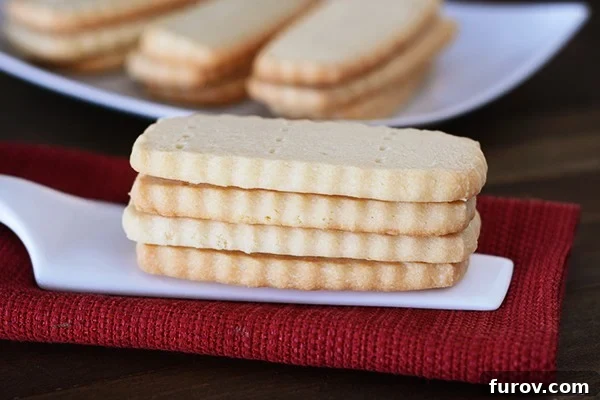
Authentic Scottish Shortbread Cookies: A Timeless Classic Recipe for Every Occasion
Indulge in the rich, buttery goodness of homemade Scottish Shortbread cookies! These quintessential treats are perfect for holiday gatherings, special occasions, or simply to enjoy with a cup of tea. Our recipe guides you to create shortbread that’s beautifully crumbly and melt-in-your-mouth tender, sure to impress friends and family alike.
As a passionate baker, my kitchen is a constant hub of culinary experimentation. Week after week, I whip up an incredible array of dishes, particularly sweet treats. Most of my successful creations typically fall into one of two distinct categories (and trust me, there’s an entirely separate category reserved for the monumental failures that never see the light of day):
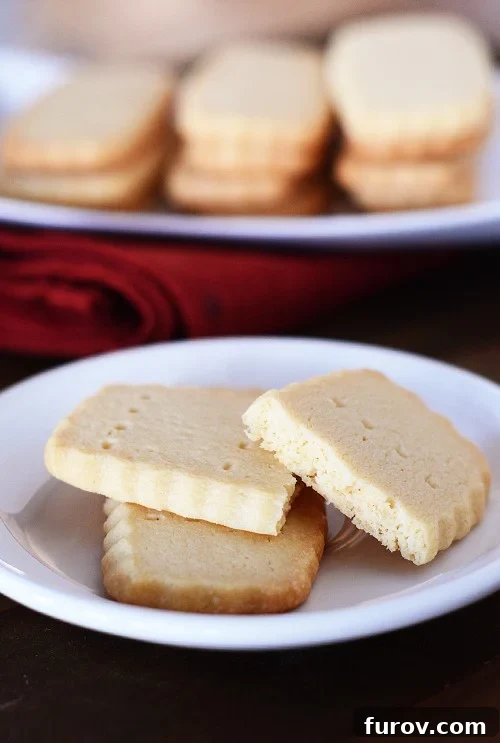
Category 1: Delicious Delights. These are the recipes that are undeniably tasty, thoroughly enjoyed by my family, and certainly worthy of sharing on the blog. While they hit all the right notes for flavor and texture, they possess a certain “keep around” quality. I can comfortably leave them on the counter without fearing I’ll devour every last crumb before anyone else gets a chance. They’re wonderful, but perhaps they don’t quite whisper to my soul in the same way some other desserts do.
Category 2: Pure Perfection. Oh, these are the legendary ones! These are the absolute yummiest creations on earth, the kind that haunt my dreams and occupy my thoughts long after the last bite. When I bake something that lands in this category, I know it’s a dangerous game. My primary mission becomes getting them out of the house immediately! Otherwise, I will consume every single morsel before my husband, Brian, even walks through the door from work. And believe me, the lengths I’ve gone to disguise such “snack-cidents” are truly legendary.
I am not exaggerating in the slightest about Category 2. While I typically maintain a decent level of self-control when it comes to food – a necessity, I believe, for any food blogger who wishes to maintain their shape – there are a select few indulgences that render me utterly powerless. It’s almost ridiculous how compelling these treats can be. That incredible pretzel caramel dark chocolate bark I shared last week is a prime example of such an irresistible creation.
And, surprisingly enough (if you’re wondering where I’m headed with this), this amazing Scottish Shortbread recipe falls squarely into that elite “Perfection” category. Shortbread, who would have thought? Its seemingly humble nature belies an utterly addictive quality.
Honestly, I simply couldn’t stop eating this shortbread. The buttery, tender cookies vanished at an alarming rate. It reached a point where, in a moment of pure desperation, I arranged a clandestine meeting with my Aunt Marilyn late one evening. We met at an undisclosed location halfway between our two homes for what felt like a shady, yet absolutely necessary, shortbread handoff. Such is the power of truly exceptional shortbread.
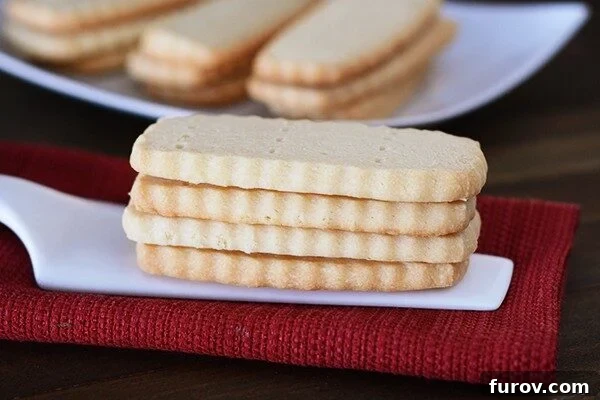
The Enduring Charm of Traditional Scottish Shortbread
Shortbread is more than just a cookie; it’s a cultural icon, especially during the festive season. Don’t you agree that it’s a quintessential holiday cookie? This particular recipe truly captivated me, making me seriously ponder if classic shortbread could even surpass some of my most cherished chocolate-filled cookie favorites. The answer, I quickly discovered, is a resounding yes! For those who simply can’t decide, perhaps dipping these buttery shortbread fingers *in* chocolate could offer the best of both worlds – a divine fusion of rich butter and decadent cocoa. It’s a simple addition that elevates an already perfect treat to new heights.
Originating in Scotland, shortbread has a rich history dating back to medieval times. Traditionally, it was a luxurious item, often reserved for special occasions like Christmas and Hogmanay (Scottish New Year’s Eve). Its core ingredients – butter, sugar, and flour – are few and simple, yet when combined in the right proportions, they create a cookie of unparalleled richness and delicate texture. The secret to its signature “short” (meaning crumbly or tender) texture lies in the high butter content and the specific ratio of ingredients, often without leavening agents, resulting in a dense yet delightfully crumbly bite that truly melts in your mouth.
Why This Homemade Scottish Shortbread Recipe is a Must-Try
While I’ve ventured into the world of chocolate shortbread countless times before, this is my inaugural journey into classic Scottish shortbread, and I can now perfectly understand why people describe it as so incredibly addicting. There’s a profound simplicity to this cookie that truly allows the quality of the ingredients, especially the butter, to shine through. It might not boast the flashy decorations of some other holiday confections, but its pure, unadulterated deliciousness makes it a standout. Sometimes, the most straightforward approach truly yields the most extraordinary results.
This recipe distinguishes itself by using a combination of all-purpose flour and cake flour, which is a game-changer for achieving that desired light, tender crumb. Cake flour has a lower protein content, which reduces gluten development, preventing the cookies from becoming tough. The precise balance of ingredients ensures a perfectly structured dough that is easy to work with and bakes beautifully. The generous amount of butter not only imparts an incredibly rich flavor but also contributes significantly to the characteristic tender texture that defines true Scottish shortbread. This isn’t just a recipe; it’s a celebration of simple perfection.
Mastering the Art of Shortbread: Essential Baking Tips
Achieving the perfect Scottish shortbread is a delightful culinary endeavor that benefits from a few key techniques. Here’s how to ensure your shortbread turns out beautifully golden, tender, and irresistibly buttery every single time:
The Importance of Ingredients
- Quality Butter is Key: Since butter is the star of the show, opt for the highest quality salted butter you can find. It makes a noticeable difference in flavor and texture. Ensure your butter is at room temperature – not melted, but softened enough to cream smoothly. This helps incorporate air, leading to a lighter cookie.
- The Magic of Cake Flour: As mentioned, cake flour is crucial for that delicate, tender crumb. If you don’t have it on hand, don’t fret! You can easily make your own by measuring out 1 cup of all-purpose flour, removing 2 tablespoons, and then replacing those 2 tablespoons with cornstarch, sifting them together thoroughly. This DIY trick effectively lowers the protein content, mimicking cake flour.
- Consider Rice Flour: For an even lighter and crispier texture, adventurous bakers can substitute rice flour for the cake flour. It creates a subtle, grainy texture that is incredibly appealing and traditional in some Scottish shortbread variations.
Mixing and Chilling Techniques
- Don’t Overmix: When combining the ingredients, mix until just combined. Overmixing the dough can develop too much gluten in the flour, resulting in a tough shortbread rather than the desired crumbly texture.
- Chilling is Crucial: Chilling the dough is an indispensable step. It allows the butter to firm up, preventing the cookies from spreading too much during baking and ensuring they hold their shape. It also gives the flavors time to meld and the gluten to relax. Aim for at least an hour, but the dough can be refrigerated for several days, making it perfect for make-ahead baking.
Shaping and Baking for Perfection
- Shaping Options: I prefer the simple elegance of cutting the shortbread into thin rectangles (often referred to as shortbread fingers) before baking. This makes them more like traditional cookies rather than thicker wedges cut after cooling. You can easily press the dough into a rectangular shape on parchment paper, chill it, and then slice. Alternatively, roll out the chilled dough to about 1/4-inch thickness and use your favorite cookie cutters for festive shapes.
- Thickness Matters: This recipe calls for a thinner cookie, around 1/4-inch thick, which bakes relatively quickly and yields a delicate crispness. However, if you prefer a thicker shortbread (upwards of 3/4-inch thick), be sure to significantly increase your baking time, possibly even doubling it, to ensure it cooks through evenly without over-browning.
- The Perfect Bake: Preheat your oven to 350°F (175°C). Bake until the edges are lightly golden, usually between 15-18 minutes. Shortbread should not be deeply browned; a pale, golden hue indicates perfect doneness. Overbaking will make them dry and hard.
- Cooling: Allow the baked cookies to cool on the baking sheet for a few minutes before transferring them to a wire rack to cool completely. This helps them firm up and prevents breakage.
Serving and Storage Suggestions
- Classic Enjoyment: Serve these classic shortbread cookies with a warm cup of tea or coffee for a truly comforting experience. They’re also wonderful alongside fresh berries or a dollop of whipped cream.
- Creative Variations: Feel free to customize your shortbread! A pinch of lemon zest, orange zest, or a touch of cardamom can add an intriguing flavor dimension. As mentioned, a drizzle or dip in melted dark or milk chocolate adds a layer of indulgence. Sprinkles can make them more festive, especially for holidays.
- Storage: Store the cooled shortbread in an airtight container at room temperature for several days. They also freeze beautifully for up to a month.
Amazing Scottish Shortbread
24
or so depending on size
1 hour
15 minutes
18 minutes
1 hour
33 minutes
Pin Recipe
Ingredients
-
4 sticks
(452 g)
salted butter, room temperature -
1 tablespoon
vanilla extract -
1 ½ cups
(171 g)
powdered sugar -
2 ½ cups
(355 g)
all-purpose flour -
1 cup
(114 g)
cake flour -
¼ teaspoon
salt
Instructions
-
In a large bowl (or in the bowl of a stand mixer fitted with the paddle attachment), beat the room temperature butter, vanilla extract, and powdered sugar together with an electric mixer until well combined and creamy.
-
Gradually add the all-purpose flour, cake flour, and salt to the butter mixture. Mix on low speed until the ingredients are just combined and a soft dough forms. Be careful not to overmix, as this can lead to a tough shortbread.
-
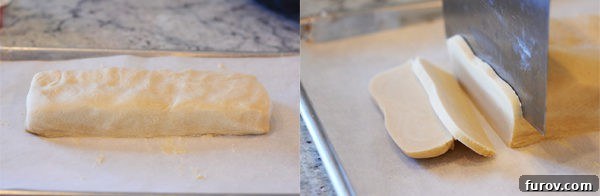
On a parchment-lined baking sheet, gently press the dough into a uniform rectangular shape, approximately 1 ½ inches high. Cover the dough tightly with plastic wrap and refrigerate until it becomes firm, which typically takes about an hour. The dough can be prepared several days in advance and stored in the refrigerator. Alternatively, if you plan to use cookie cutters for different shapes, press the dough into a disc, cover it, and refrigerate it similarly to sugar cookie dough or pie crust.
-
Once the dough is firm, use a large, sharp knife or the straight edge of a bench scraper to cut the rectangular dough into uniform ¼-inch thick slices. For perfectly straight edges, gently press them into shape or trim any uneven parts. If using cookie cutters, roll out the chilled dough on a lightly floured countertop to about ¼-inch thickness before cutting into your desired shapes.
-
Arrange the cut cookies about 1-inch apart on a baking sheet lined with parchment paper or a silicone baking mat. Lightly prick each cookie several times with the tines of a fork; this helps to prevent puffing and creates a classic shortbread appearance.
-
Preheat your oven to 350 degrees F (175°C). Bake the cookies for 15-18 minutes, or until their edges are lightly golden. Baking times may vary, so adjust as needed. Once baked, remove the baking sheets from the oven and let the cookies rest on them for 2-3 minutes before carefully transferring them to a wire rack to cool completely.
-
The finished shortbread can be stored in an airtight container at room temperature for several days, maintaining its freshness and delicious texture.
Notes
Cake Flour: Cake flour is essential for achieving the incredibly light and tender texture that makes this shortbread so amazing. Its lower protein content results in less gluten formation, yielding a delicate, melt-in-your-mouth cookie. If you don’t have cake flour on hand, you can easily create your own DIY version at home. For every cup of all-purpose flour, remove two tablespoons and replace them with two tablespoons of cornstarch, then sift thoroughly. This method effectively mimics the properties of store-bought cake flour.
Rice Flour: For those seeking an even lighter and crisper shortbread with a slightly sandy texture that is traditional in some Scottish recipes, consider substituting rice flour for the cake flour. This adventurous swap can add another layer of authenticity and a unique textural experience.
Thickness: I personally love making these shortbread cookies thin and delicate, as this allows for a quicker bake and a crispier edge. However, you are welcome to cut them much thicker, even up to ¾-inch thick. If you opt for thicker shortbread, remember to significantly increase your baking time, possibly doubling it, to ensure the cookies cook through evenly without burning on the outside.
Mel
Dessert
American
Bake
Serving:
1
Shortbread
,
Calories:
232
kcal
,
Carbohydrates:
21
g
,
Protein:
2
g
,
Fat:
15
g
,
Saturated Fat:
10
g
,
Cholesterol:
40
mg
,
Sodium:
159
mg
,
Fiber:
1
g
,
Sugar:
7
g
Recommended Products
Recipe Source: adapted from The Professional Pastry Chef by Bo Friberg (ingredient amounts adjusted for home bakers, baking temperature and time adapted for optimal results)
Discover More Shortbread and Dessert Inspiration
If you’ve fallen in love with the simple elegance of Scottish shortbread, you’ll be delighted to explore other similar recipes. Whether you’re craving more buttery delights, chocolatey variations, or other irresistible desserts, we have a collection that will surely satisfy your sweet tooth. Expand your baking repertoire with these fan favorites: