
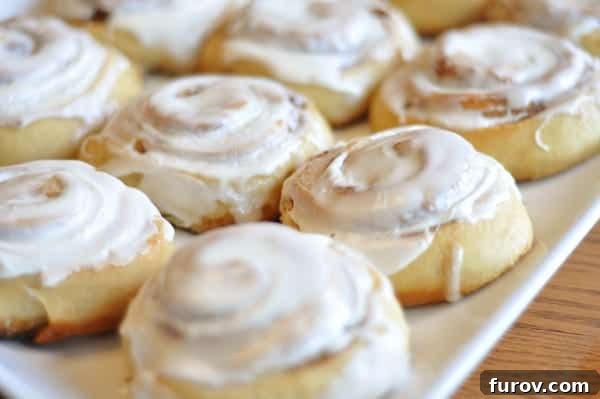
Indulge in the unparalleled delight of these buttermilk cinnamon rolls with their luscious cream cheese glaze. Fabulously soft, incredibly light, and utterly heavenly, they are truly a masterpiece in every bite. Prepare to experience cinnamon roll perfection like never before.
The Ultimate Buttermilk Cinnamon Rolls with Cream Cheese Glaze
For years, I believed I had perfected the art of cinnamon roll making. My go-to recipe, known for its tender vanilla pudding-infused dough, held a special place in my heart. However, culinary curiosity, and perhaps a touch of daring, led me to experiment, and the results have been nothing short of revolutionary. I must confess, a new contender has emerged, challenging my long-held favorite for the title of “best cinnamon roll.” These buttermilk cinnamon rolls are not just good; they are a game-changer, achieving a level of softness and depth of flavor that is truly remarkable.
What makes these rolls so extraordinary? It’s a combination of the absolute best elements from my baking repertoire. I’ve taken the rich, aromatic brown sugar filling that I adore and paired it with an entirely new, incredibly supple buttermilk dough. The synergy between these two components creates a symphony of textures and tastes, elevated further by a simple yet divine cream cheese glaze that cascades over the warm, freshly baked swirls. This fusion is not just an improvement; it’s a revelation that brings these homemade cinnamon rolls to the brink of perfection.
The Buttermilk Difference: Unlocking Unmatched Tenderness and Flavor
The secret weapon in this recipe is undoubtedly the buttermilk. It’s more than just a liquid; it’s a foundational ingredient that transforms the dough. Buttermilk, with its inherent acidity, reacts beautifully with the leavening agents, resulting in a significantly more tender and exceptionally soft crumb. This acidity also contributes a subtle tang, adding a complex depth of flavor to the rolls that you simply won’t find in recipes using regular milk.
Beyond its flavor contributions, the buttermilk dough boasts an incredible workability. It’s so pliable and smooth that you might even find yourself foregoing the rolling pin entirely! Similar to my beloved vanilla pudding rolls, this dough can often be pressed into a perfect rectangle by hand, without becoming overly sticky or resistant. This makes the preparation process not only easier but also more enjoyable, allowing you to create beautiful, uniform rolls with minimal effort. The ease of handling this velvety dough is a testament to the magic of buttermilk, ensuring that even novice bakers can achieve professional-looking results.
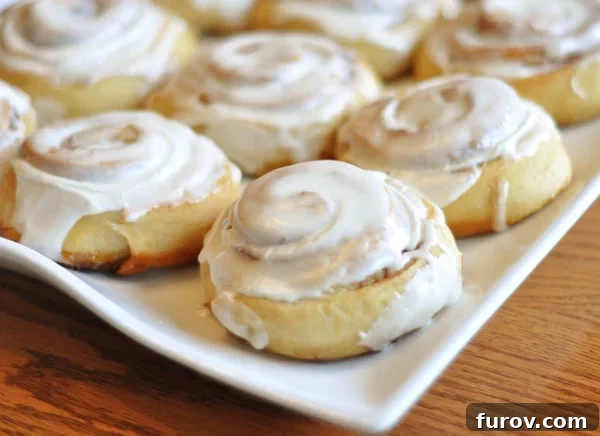
The texture of the baked rolls is truly something to behold. They are fabulously soft, almost melting in your mouth, and surprisingly light despite their indulgent nature. The airy structure developed by the buttermilk creates a roll that is tender from the first bite to the last, making them an absolute dream for breakfast, brunch, or a decadent treat any time of day.
The Allure of the Classic Cinnamon Roll Filling
While the buttermilk dough forms the perfect canvas, it’s the classic brown sugar and cinnamon filling that truly defines a cinnamon roll. In this recipe, we embrace that timeless combination, spreading a rich, buttery layer generously over the dough before sprinkling it with a fragrant blend of brown sugar and ground cinnamon. As the rolls bake, this filling caramelizes slightly, creating gooey pockets of spiced sweetness that perfectly complement the soft, fluffy dough. The aroma that fills your kitchen while these are baking is simply intoxicating, promising a taste experience that is both comforting and exhilarating.
Every swirl of cinnamon and brown sugar is designed to provide that perfect balance of warmth and sweetness, ensuring that each bite is as satisfying as the last. The slight stickiness of the filling, combined with the tender dough, makes these rolls incredibly addictive and difficult to resist. It’s a nostalgic flavor that brings back cherished memories of home baking, yet elevated by the unique qualities of the buttermilk dough.
The Finishing Touch: Cream Cheese Glaze Perfection
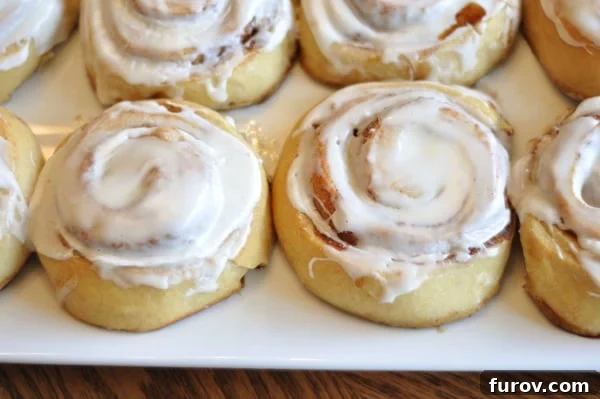
No cinnamon roll is truly complete without the perfect glaze, and for these buttermilk beauties, a cream cheese glaze is the ultimate crown. This isn’t just any frosting; it’s a carefully balanced concoction of softened cream cheese, powdered sugar, a hint of vanilla, and a touch of buttermilk or milk. The cream cheese adds a delightful tang that cuts through the sweetness of the rolls, creating a harmonious flavor profile that is both rich and refreshing.
The goal is a glaze that is thick enough to generously coat each roll but still pourable, allowing it to artfully swirl into every crevice as it cools. When drizzled over the warm rolls, it melts slightly, creating a smooth, glossy finish that makes them utterly irresistible. The contrast between the warm, spiced roll and the cool, creamy glaze is a textural and flavor experience that will leave you wanting more. This glaze is the perfect testament to why these buttermilk cinnamon rolls stand out from the crowd.
Buttermilk Cinnamon Rolls FAQs
To maintain their freshness and incredible softness, cover the pan of leftover cinnamon rolls tightly with plastic wrap or aluminum foil. They can be kept at room temperature for up to 12 hours. For longer storage, or if your kitchen is particularly warm, transfer them to an airtight container and refrigerate for up to 3-4 days. When ready to enjoy, a quick reheat in the microwave for 15-30 seconds will restore their warm, gooey deliciousness.
The temperature of your buttermilk is crucial for properly activating the yeast without killing it. I recommend warming the buttermilk until it feels comfortably warm to the touch, similar to a baby’s bathwater – about 105-115°F (40-46°C). You can test this by swirling your finger in the buttermilk; it should feel pleasant and warm, not hot enough to make you pull your finger away immediately. I typically microwave the buttermilk in a glass measuring cup for about 1 minute on 50% power, stirring halfway through, to achieve this ideal temperature.
Buttermilk Cinnamon Rolls with Cream Cheese Glaze
12 rolls
3 hrs 20 mins
22 mins
3 hrs 42 mins
Pin
Ingredients
For the Rolls:
- ¾ cup warm buttermilk, (microwaved for 1 minute on 50% power)
- 6 tablespoons (85 g) butter, melted and cooled
- 3 large eggs
- ¼ cup (53 g) granulated sugar
- 1 tablespoon instant yeast
- 1 ¼ teaspoons salt
- 3 ½ to 4 ½ cups (497 to 639 g) all-purpose flour
For the Filling:
- ½ cup (113 g) butter, softened to room temperature
- 1 cup (212 g) light brown sugar
- 2 teaspoons ground cinnamon
For the Cream Cheese Glaze:
- 1 ½ cups (171 g) powdered sugar
- 2 ounces (57 g) cream cheese, softened
- 3 tablespoons buttermilk or milk
- ½ teaspoon vanilla extract
Instructions
-
To prepare the dough, combine the warmed buttermilk and cooled melted butter in the bowl of a stand mixer fitted with a dough hook (or use a large bowl for hand mixing with a wooden spoon). With the mixer running on low speed, add the eggs, granulated sugar, instant yeast, salt, and the first cup of all-purpose flour.
-
Continue to gradually add the remaining flour, about half a cup at a time, until the dough begins to pull away from the sides of the bowl and forms a soft, slightly tacky ball. Be careful not to overmix or add too much flour; the dough should be soft but not sticky enough to leave excessive residue on your fingers. Knead for just 1-2 minutes until it comes together smoothly.
-
Lightly grease a large bowl, transfer the dough to it, and cover the top tightly with plastic wrap. Place the bowl in a warm spot to rise until the dough has doubled in size. This typically takes around 2 to 2½ hours, depending on the warmth of your kitchen. For a quicker rise, you can place the covered bowl in a very lightly warmed (turned off) oven.
-
While the dough is rising, prepare your baking pan. Lightly grease a 9×13-inch baking dish. If you plan to double the recipe, a larger rimmed baking sheet (approximately 11×17 inches) works exceptionally well.
-
In a small separate bowl, combine the brown sugar and ground cinnamon for the filling. Mix thoroughly until the spices are evenly distributed throughout the sugar. Set this mixture aside.
-
Once the dough has doubled, turn it out onto a lightly greased counter. Gently press and stretch the dough into a large rectangle, roughly 16 by 12 inches. If you are making a double batch, divide the dough in half and roll out one portion at a time. Evenly spread the softened butter over the entire surface of the dough rectangle, using an offset spatula, rubber spatula, or even just your clean fingers.
-
Generously sprinkle the prepared brown sugar and cinnamon mixture over the buttered dough, leaving a ½-inch border along the top and bottom longest edges. Use the palms of your hands to gently press the sugar mixture into the butter, helping it adhere firmly to the dough. This step prevents the filling from spilling out during rolling and baking.
-
Starting from the longest edge closest to you, carefully lift the dough and begin rolling it into a tight log. Ensure the roll is firm and even. Once rolled, pinch the seam closed along the bottom of the log and gently roll it so that the seam side is down. Carefully stretch the log to an even length of about 15 inches, ensuring a consistent diameter throughout. Pat the ends to even them up.
-
Using a sharp serrated knife or unflavored dental floss, slice the log into 12 evenly sized rolls (you can make them thinner for more rolls, if preferred). Arrange the sliced rolls cut-side down in your prepared baking pan. Cover the pan with lightly greased plastic wrap. Allow the rolls to undergo their second rise in a warm place until they have doubled in size, which typically takes 1 to 1½ hours. This second rise is absolutely critical for achieving light, airy, and fluffy cinnamon rolls after baking.
-
Preheat your oven to 350°F (175°C). Bake the risen cinnamon rolls for 22-25 minutes, or until the tops are very lightly golden and the rolls are cooked through. Be careful not to over-bake them, as this can lead to dry rolls; they should remain soft and tender.
-
While the rolls are baking, prepare the cream cheese glaze. In a medium bowl, whisk together the softened cream cheese and buttermilk (or milk) until the mixture is completely smooth and free of lumps. You can use an electric mixer or a blender for an exceptionally smooth consistency. Stir in the vanilla extract. Gradually add the powdered sugar, whisking until fully incorporated and the glaze is smooth. If the glaze is too thick, add additional milk or buttermilk one teaspoon at a time until you reach your desired thick yet pourable consistency. Drizzle the warm, freshly baked cinnamon rolls generously with this glorious glaze. Serve immediately and enjoy!
Tips & Make-Ahead Options
Make-Ahead Instructions for Overnight Rolls: These buttermilk cinnamon rolls are perfect for preparing ahead of time, allowing for fresh-baked goodness on a busy morning. Once you have formed the rolls and placed them in the baking sheet, immediately cover them tightly with lightly greased plastic wrap. It is crucial at this stage not to let them rise. Instead, place the covered pan directly into the refrigerator and chill overnight, for up to 16 hours. The next morning, remove the rolls from the refrigerator and let them sit at room temperature, still covered, until they have doubled in size. This typically takes about 3-4 hours, so plan accordingly. Once properly risen, uncover and bake as directed in the recipe.
Freezing Option for Future Enjoyment: For an even longer make-ahead solution, you can freeze the unrisen, formed rolls. After arranging them in the baking dish, cover them first with a layer of lightly greased plastic wrap, then add a top layer of aluminum foil for extra protection against freezer burn. When you are ready to bake them, transfer the frozen rolls to the refrigerator overnight to thaw. Alternatively, you can let them sit at room temperature for 9-11 hours to defrost and complete their rise before baking as per the instructions.
Milk Substitutions for Flexibility: If you don’t have buttermilk on hand, don’t worry! This recipe is adaptable. Warm 2% or whole milk can be used as a direct substitute for the buttermilk in the dough. While buttermilk imparts a unique tangy flavor and tenderness, regular milk will still yield wonderfully soft and delicious cinnamon rolls, making this recipe accessible no matter what you have in your fridge.
Mastering the Flour Amount in Yeast Doughs: As with all yeast dough recipes, the exact amount of flour can be variable. Environmental factors such as humidity, ambient temperature, and even altitude can significantly impact how much flour your dough will absorb. Therefore, I highly recommend using the flour quantity as a guideline rather than a strict rule. The most important indicator is the dough’s texture: it should be soft, pliable, and slightly tacky to the touch, but not overly sticky or dry. If you’re new to working with yeast doughs, this tutorial on yeast can provide helpful visual and tactile cues to identify a perfectly floured and kneaded dough.
Nutrition Facts (per roll)
- Serving: 1 Roll
- Calories: 462kcal
- Carbohydrates: 71g
- Protein: 7g
- Fat: 17g
- Saturated Fat: 10g
- Cholesterol: 89mg
- Sodium: 419mg
- Fiber: 1g
- Sugar: 38g
Recipe Source: adapted from America’s Test Kitchen Family Baking Handbook