
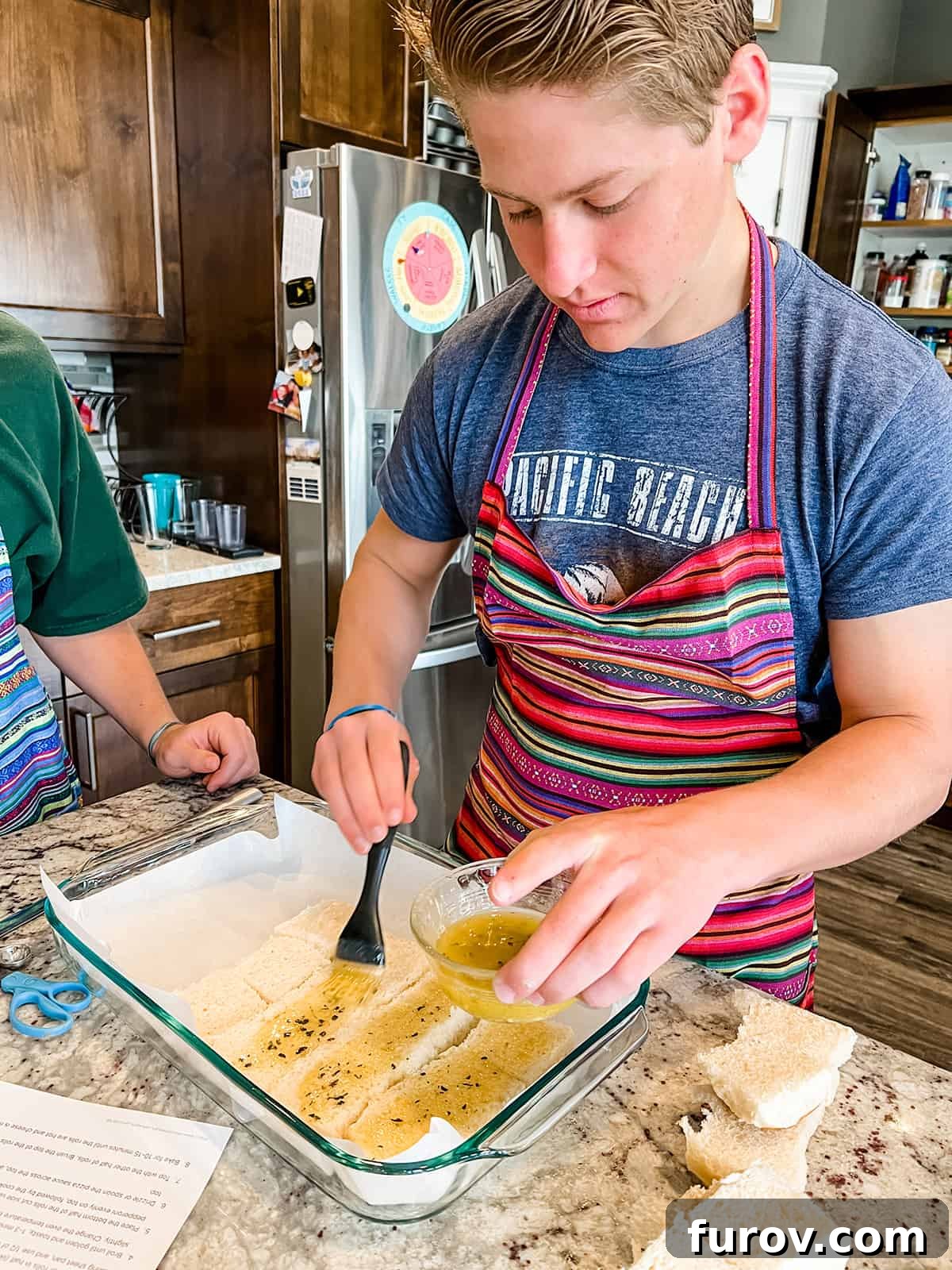
Embarking on the culinary journey as an independent cook can feel daunting, but it doesn’t have to be. This post includes a comprehensive, free printable guide packed with invaluable tips, smart strategies, and wonderfully easy recipes designed for anyone learning to navigate their kitchen for the first time!
It feels like only yesterday my kitchen was bustling with a crew of eager, albeit very young, “helpers.” Tiny hands mixed batter, spilled flour with joyful abandon, and proudly presented their early culinary creations. Those cherished memories of chaotic, flour-dusted countertops and sticky fingers now seem like a distant, sweet dream.
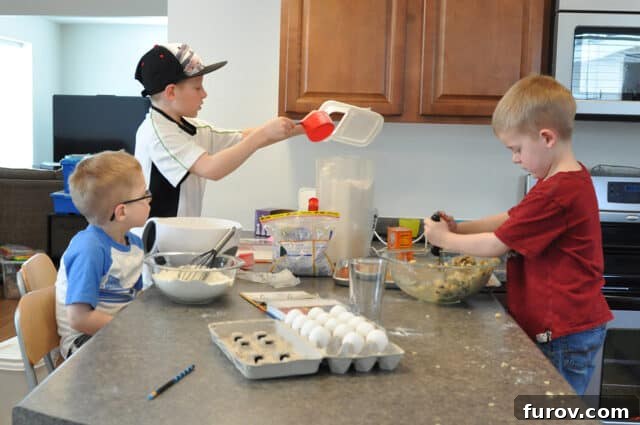
Fast forward to today, and life has ushered in a new chapter. Three of my five children have proudly graduated high school, ready to conquer bigger and better things. This significant milestone, for many young adults transitioning to college life, a first apartment, or simply greater independence, invariably includes a new responsibility: cooking for themselves. It’s a rite of passage, a fundamental life skill that transforms reliance into self-sufficiency.

The journey of teaching tweens, teens, young adults, or even seasoned adults how to cook can be an incredibly rewarding and fun adventure. Crucially, it doesn’t need to be overwhelming, expensive, or time-consuming. With the right guidance and resources, anyone can master the art of preparing delicious and nourishing meals.
Cooking 101 Packet: Your Ultimate Beginner’s Guide to Culinary Independence
To ease this transition and empower aspiring cooks of all ages, I’ve meticulously prepared a simple yet comprehensive printable booklet: the “Cooking 101 Packet.” This invaluable resource is designed to serve as a foundational guide for anyone eager to learn how to cook, whether they’re leaving home for the first time, looking to improve their kitchen skills, or simply curious about the basics. It’s also a perfect tool for parents, guardians, or mentors wondering how best to support a young person (or even a friend!) in developing essential culinary independence.
Within this indispensable printable packet, you’ll discover a wealth of practical information, including:
- Essential New Tips for Beginners: From understanding basic kitchen terminology to mastering fundamental techniques like chopping, sautéing, and boiling, these tips lay a solid groundwork for confident cooking. Learn about pantry organization, ingredient substitutions, and simple ways to elevate everyday dishes.
- Creative No-Recipe Meals: Discover the art of flexible cooking! This section empowers you to create delicious meals using what you have on hand, without the need for strict recipes. Think versatile stir-fries, customizable pasta dishes, hearty grain bowls, and imaginative quesadillas – perfect for budget-friendly and spontaneous meals.
- Smart Strategies for Grocery Shopping: Navigate the grocery store like a pro! Learn how to create effective shopping lists, stick to a budget, identify fresh produce, and understand food labels. This guide helps you maximize your dollar and minimize food waste, making healthy eating more accessible.
- Must-Have Essential Kitchen Equipment: Don’t splurge on unnecessary gadgets! We’ve curated a list of the absolute most essential kitchen tools every beginner needs, from a reliable chef’s knife and cutting board to versatile pots and pans. Understand what each tool is for and why it’s a valuable investment for your kitchen.
- A Handy Measurement Conversion Chart: Say goodbye to confusion! This easy-to-read chart provides quick conversions for liquid and dry measurements, ensuring your recipes turn out perfectly every time. It’s an indispensable aid for following recipes and adapting them.
- Basic Cooking Recipes Scaled for Smaller Quantities: Start with confidence! Our collection of fundamental recipes covers everyday staples like scrambled eggs, simple pasta sauces, perfectly roasted vegetables, and basic protein preparations. Many are scaled down to serve one or two, making them ideal for individuals or small households, preventing excessive leftovers and food waste.
- A Compilation of Easy Dinner Recipes & Simple Snack/Treat Ideas: From quick weeknight dinners that come together in minutes to satisfying snacks and delightful treats, this section offers a variety of crowd-pleasing options. These recipes are chosen for their simplicity, deliciousness, and accessibility for novice cooks.
Understanding that individual circumstances vary widely—whether it’s budget constraints, differing levels of interest in cooking, or limited time—this packet is designed to be a flexible, foundational guide and an inspiring starting place for anyone needing a practical kickstart to cooking on their own. It aims to equip you with the essential skills and confidence to take control of your meals.
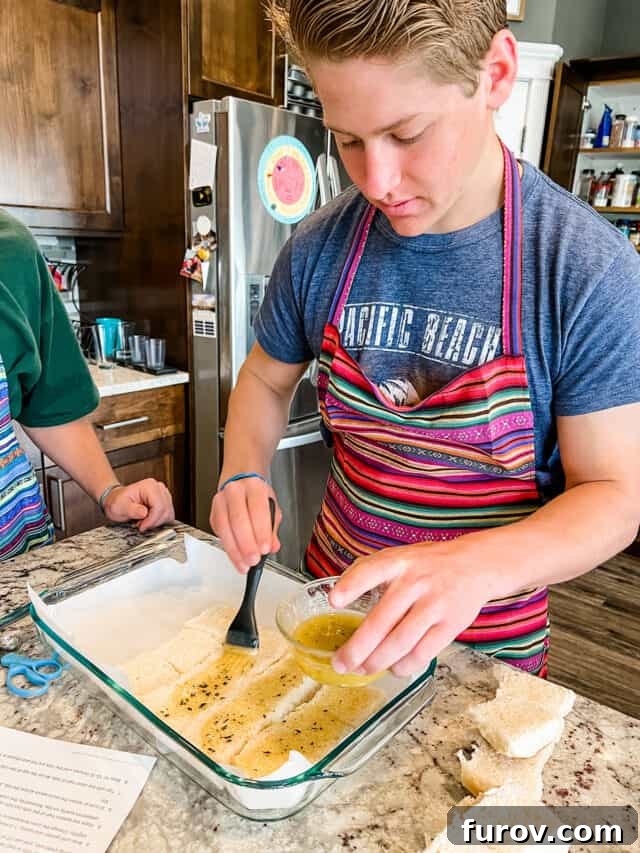
My genuine hope is that this resource proves helpful in numerous ways, sparking a genuine excitement and curiosity in whoever uses it to explore new skills and tastes in the kitchen. Learning to cook isn’t just about feeding yourself; it’s about building confidence, fostering creativity, and embracing a vital aspect of independent living. It’s a journey of discovery that opens doors to healthier eating, budget-friendly meals, and the sheer joy of creating something delicious from scratch.
Once you or your young cook confidently move beyond the foundational recipes in this packet, I happen to know of a truly awesome, incredibly delicious stockpile of recipes waiting to be explored. From more advanced techniques to exotic flavors, there’s a world of culinary adventures awaiting!
I truly believe that anyone, regardless of age—be it a child, a teenager, a young adult venturing out, or a full-grown adult embracing cooking later in life—can feel like a rock star in the kitchen. With a bit of practice, patience, and the right guidance, the process can be incredibly enjoyable and fulfilling!

Fostering Culinary Skills: It’s Never Too Late To Start Cooking with Kids
Here’s a quick, heartfelt plug for all of you with younger children (and even those with hesitant teens): it is genuinely never too late to introduce them to the wonders of the kitchen and get them started on their culinary education! Early exposure to cooking cultivates essential life skills, builds confidence, and fosters a healthy relationship with food.
I completely understand the hesitation. It’s undeniably hard to relinquish control and grapple with the inevitable messes that arise when little (or even not-so-little) hands take over kitchen tasks. I get that 1,000%!! The thought of extra cleaning or a recipe not turning out perfectly can be a significant deterrent for many busy parents. However, the long-term benefits far outweigh the temporary inconvenience. Allowing kids to learn their way around the kitchen provides them with a profound sense of accomplishment and invaluable know-how, skills they will carry with them confidently when they eventually embark on cooking on their own.
My primary goals when teaching my own children in the kitchen include:
- Learning to Read and Follow a Recipe: This fundamental skill teaches attention to detail, sequential thinking, and vocabulary. It’s about understanding instructions, measuring accurately, and grasping the logical flow of a cooking process.
- Discovering Recipes That Excite Them: Nurturing their interest is key. By allowing them to choose dishes they genuinely want to make, they become more invested and enthusiastic, transforming cooking from a chore into a creative pursuit.
- Learning from the Inevitable Mistakes: Cooking is rarely perfect, especially at the beginning. Embracing burnt cookies, too-salty soup, or deflated cakes as learning opportunities builds resilience, problem-solving skills, and the understanding that practice leads to improvement.
- Understanding Recipe Costs and Grocery Budgeting: Introducing the financial aspect of cooking early on helps children appreciate the value of ingredients and make informed choices. It teaches them about budgeting, meal planning, and making smart purchasing decisions—a critical life skill often overlooked.
Of course, not all kids are naturally inclined towards cooking and baking. I’m fortunate to have a couple of children who enthusiastically ask to make recipes or help me in the kitchen. For a few others, however, asking them to help prepare dinner elicits groans and dramatic reactions, as if I’ve just presented them with the most dreadful task imaginable! It’s a balance of encouragement, patience, and finding ways to make it engaging for each individual child.
The “Sunday Dinner Assignments” System: A Practical Approach to Family Cooking
For the past couple of years, we’ve successfully implemented a system we cleverly titled “Sunday Dinner Assignments.” 😉 While I know the idea of assigning dinner duties works well for many families, I found that allocating a specific dinner night during the school year or summer didn’t consistently fit our family’s dynamic. This led to our adapted Sunday system, which focuses on shared responsibility and concentrated learning.
Here’s a detailed look at how our “Sunday Dinner Assignments” work:
- Weekly Menu Breakdown: On most Sundays, I carefully write out the various dishes I’d like to have prepared for dinner. This typically includes a main course, one or two side dishes, and often a dessert.
- Specifics vs. Creativity: Sometimes, I’m very specific with the recipe—for example, “Main Dish: Shepherd’s Pie.” Other times, to encourage creativity and choice, I’ll simply write a category, like “Dessert,” and allow the assigned child to choose what they’d like to make from our collection of recipes or their own ideas.
- Fair & Firm Assignments: I then assign one of their names next to each task or dish. I’ve learned from experience not to let them choose, otherwise, one of my children—who shall remain nameless for now—would undoubtedly sign up for “ice water” every single Sunday! This ensures everyone gets a turn with various tasks, from simple to more complex.
- Filling the Gaps: I always make sure to fill in any remaining gaps myself, especially for more intricate parts of the meal or if someone is unavailable. The goal is teamwork, not overburdening any one person.
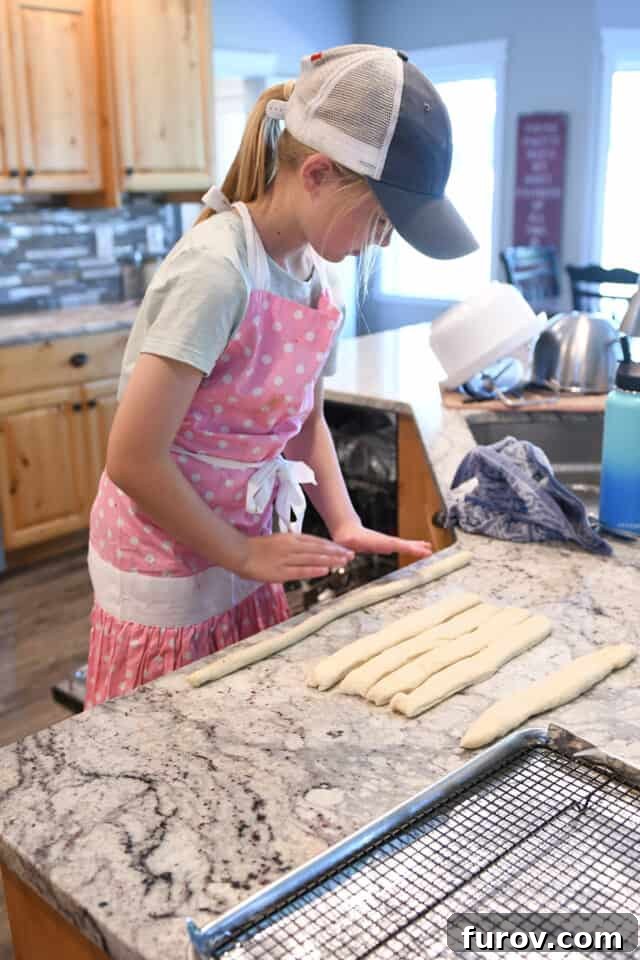
This deceptively simple system has provided my children with invaluable opportunities to learn how to make everything from scratch—delicious homemade rolls, a variety of side dishes, and even tackling more involved projects like the main course or a special dessert. Beyond just following recipes, they’re learning crucial life skills: with my guidance, they’re starting to plan the timing of each dish so that everyone isn’t scrambling in the kitchen 15 minutes before we want to eat. And, perhaps most importantly, each child is responsible for washing their own dishes used for their assigned task, instilling a sense of complete ownership.
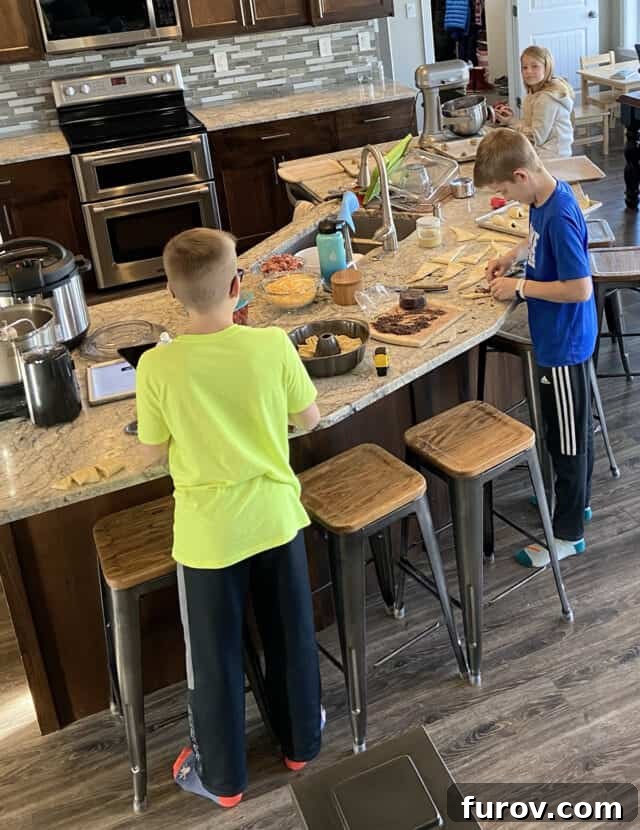
In case anyone is envisioning a perfectly serene cooking environment, let me assure you, there are no angels singing during Sunday Dinner Assignments. It’s often a bit chaotic, frequently accompanied by at least a bit of grumbling, and almost always very messy. In the interest of full disclosure, there have been a handful of times (okay, maybe more than a handful!) when I’ve reached my limit, ordered everyone out of the kitchen, and taken over to finish the meal myself. It’s not always smooth sailing!
But, despite the occasional culinary skirmishes and spilled ingredients, it’s *mostly* working. The cumulative effect is tangible.
And it’s truly fun to sit down to dinner and have everyone proudly announce to Brian (who is typically at church meetings all Sunday) what part of the meal they contributed. Sometimes he’ll try to guess, but inevitably, the child who lovingly crafted the homemade rolls gets hilariously offended when he mistakenly credits their older sibling, who was merely assigned to cut up fresh fruit that day! 😂 These moments, full of laughter and lighthearted competition, are what make the effort worthwhile.
This specific system may not be a perfect fit for every family, and that’s perfectly okay. Consider it merely an idea, a spark to get your own creative “brain juices” flowing as you consider how to integrate cooking education into your family life. For us, it’s a practical and effective way to help my kids learn essential basic cooking skills in the here and now, preparing them for a future of culinary independence.
If this isn’t your time or season to embrace the inevitable mess and stress that can come with inviting kids into the kitchen, please know that’s completely acceptable! There’s no right or wrong timeline. Revisit the idea when it feels right for you and your family, and then develop a simple, manageable plan that aligns with your lifestyle and comfort level.
We’re all in this together, supporting each other on the wonderful journey of raising capable, confident cooks!