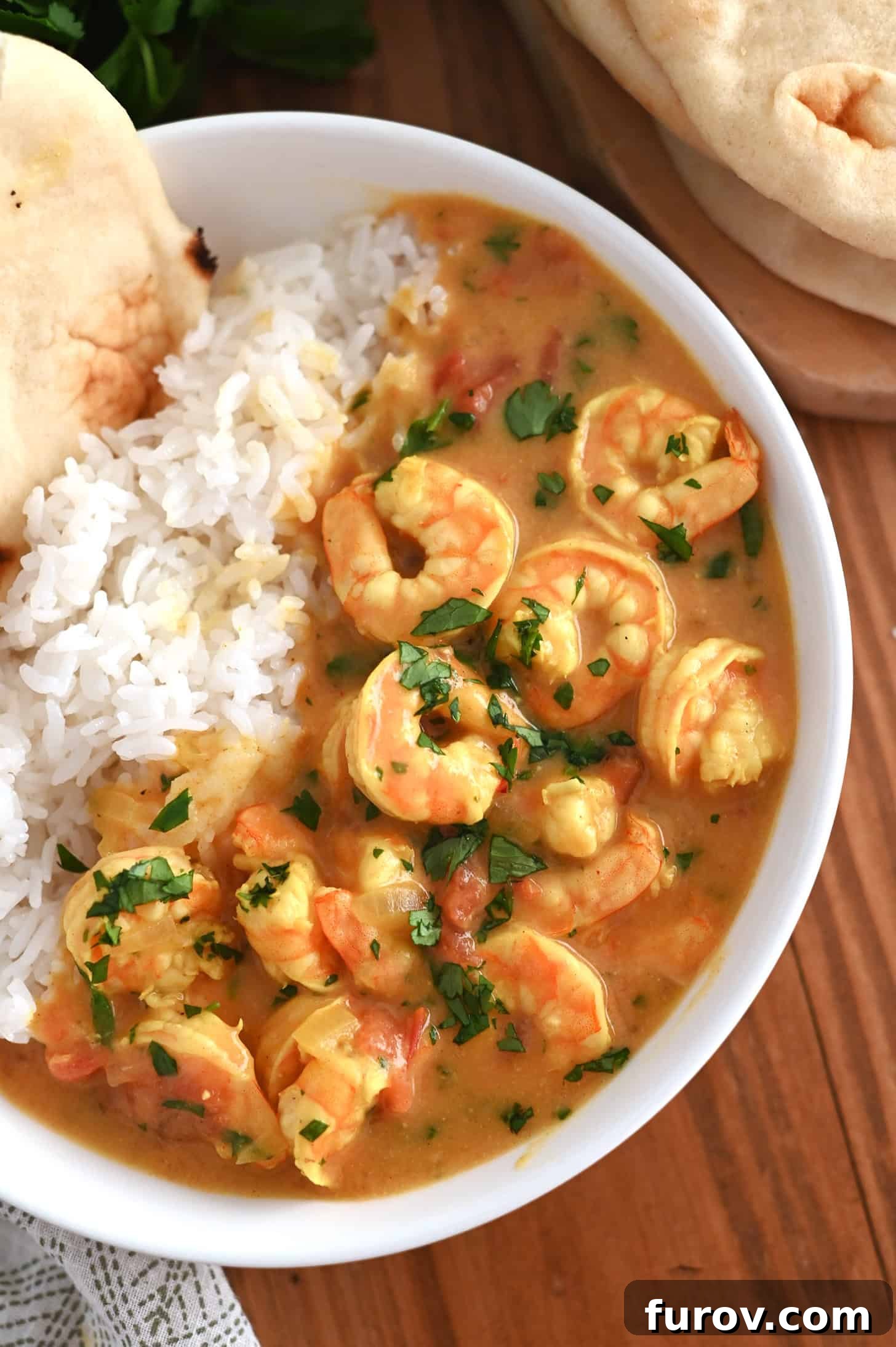
Welcome to a culinary journey that promises an explosion of flavor in under 30 minutes! This coconut shrimp curry is not just a meal; it’s a revelation, artfully crafted with a thoughtful blend of simple spices that build an incredible depth of taste. Prepare to be amazed by a dish so inherently delicious and easy to prepare, it often transforms self-proclaimed curry skeptics into ardent admirers, and for many, cements its place as an all-time favorite.
What makes this recipe truly stand out in a crowded culinary landscape? It’s the harmonious balance of creamy coconut, succulent shrimp, and aromatic spices that dance on your palate. Beyond its exceptional taste, its appeal lies in its remarkable simplicity and speed, proving that extraordinary meals don’t require hours in the kitchen. Whether you’re a seasoned home cook or just starting your culinary adventures, this recipe offers a foolproof path to a truly satisfying and memorable dinner experience that rivals your favorite takeout.
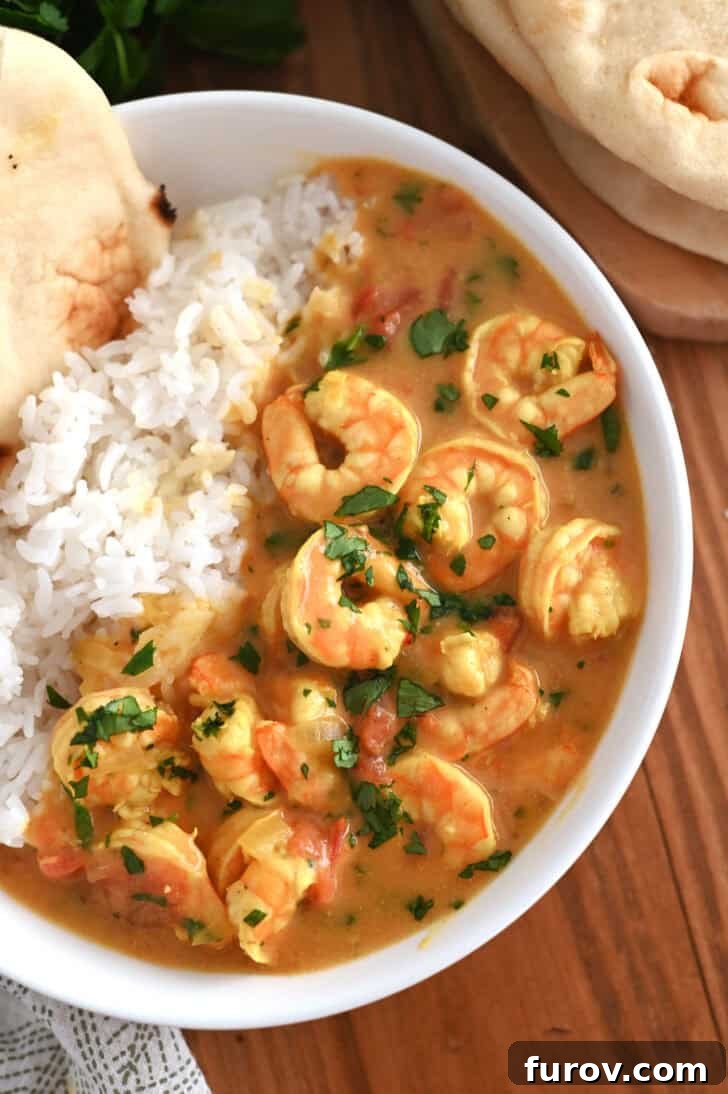
Mastering Coconut Shrimp Curry: A 5-Step Guide to Exquisite Flavor
Crafting this delightful coconut shrimp curry is surprisingly straightforward, breaking down into five core steps that ensure maximum flavor with minimal effort. Follow this streamlined process to create a dish that’s both deeply satisfying and refreshingly quick.
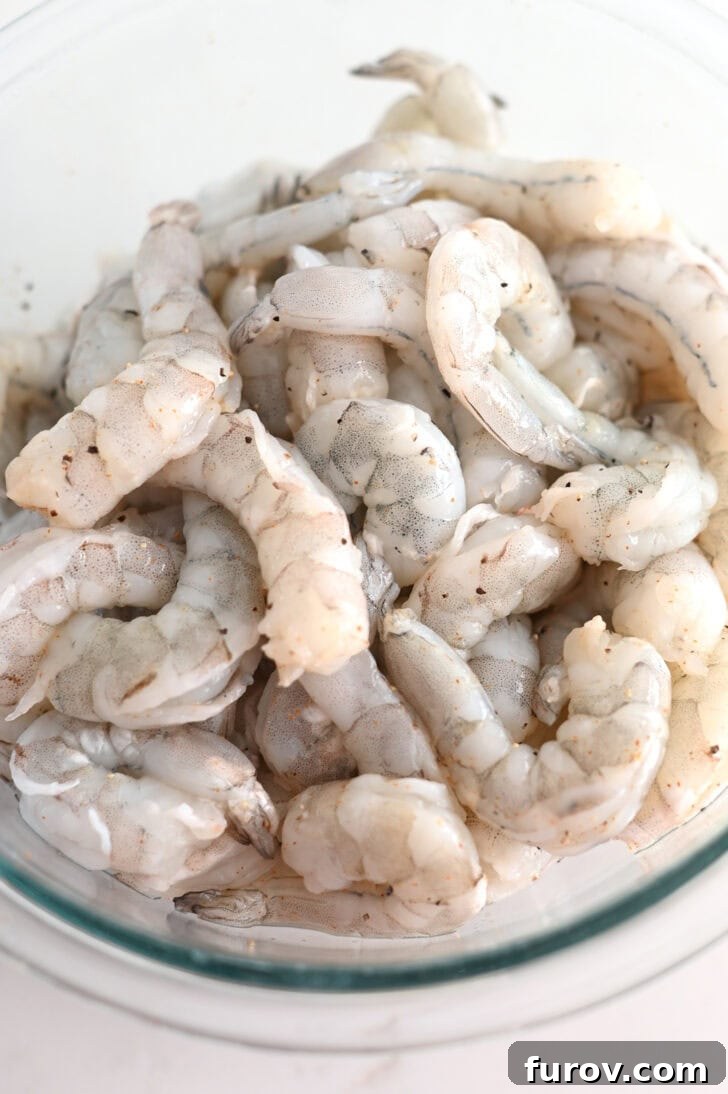
- Prepare the Shrimp with a Zesty Marinade: Begin by tossing your fresh or thawed shrimp with a vibrant seasoning blend of salt, black pepper, a touch of cayenne for warmth, and a generous splash of fresh lemon juice. This brief marinade not only infuses the shrimp with initial flavor but also helps tenderize them, setting the stage for perfectly cooked, juicy results. While the shrimp rests in the refrigerator, you can efficiently prepare the remaining ingredients, ensuring a smooth and swift cooking process.
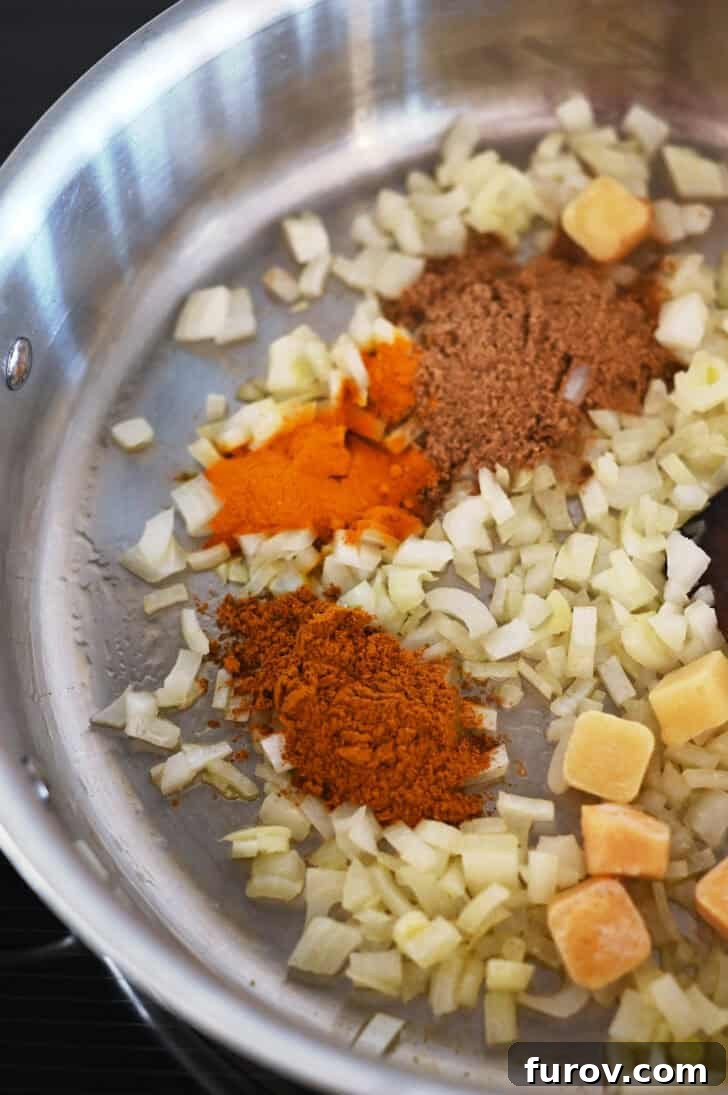
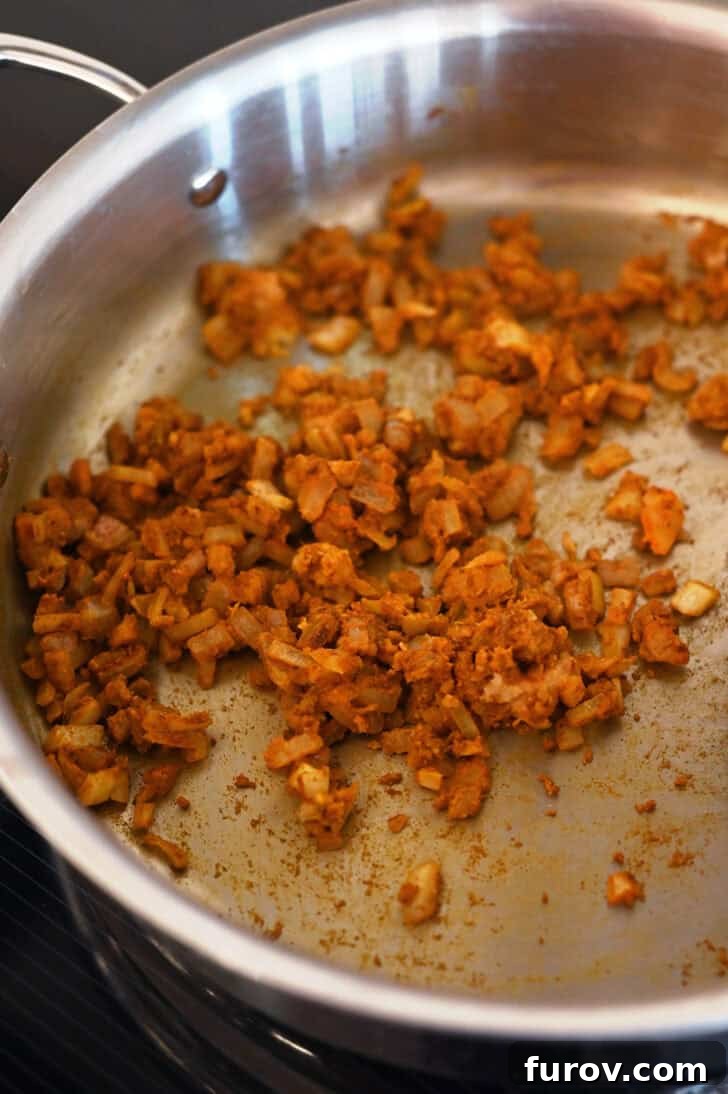
- Build the Aromatic Flavor Foundation: This step is the heart and soul of the curry, establishing its signature depth and richness. In a hot skillet, gently sauté finely chopped onion until it begins to soften. Then, introduce an aromatic symphony of minced fresh ginger, a hint of salt, earthy coriander, fragrant curry powder, black pepper, vibrant turmeric, and finely minced garlic. Allowing these spices to bloom in the hot oil for several minutes unlocks their full aromatic potential, creating a deeply fragrant and complex base for your sauce. Don’t rush this stage; it’s crucial for developing the foundational flavor that defines the curry.
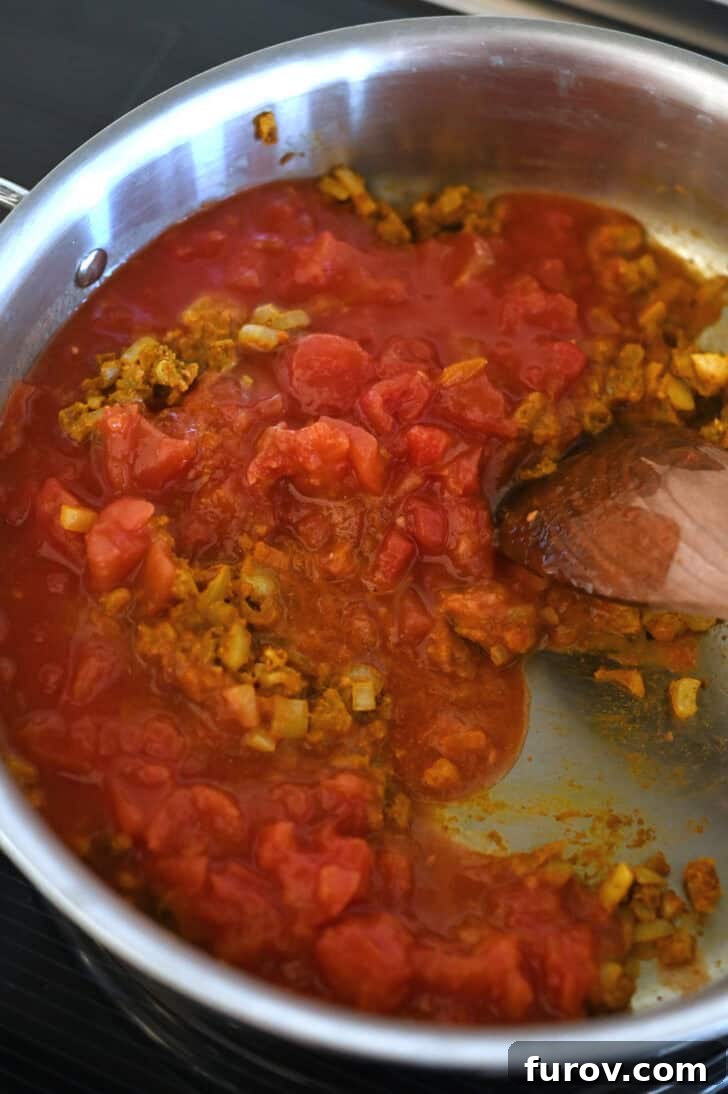
- Infuse with Tangy Tomatoes: Once your aromatic spice mixture is fragrant and the onions are translucent, it’s time to add the diced tomatoes (undrained is best for added liquid and flavor). Stir them in, gently scraping up any flavorful browned bits from the bottom of the pan. Allow this mixture to simmer for a few minutes. The acidity from the tomatoes brightens the curry, adding a lovely tang and contributing to the sauce’s body, while also melding beautifully with the existing spices.
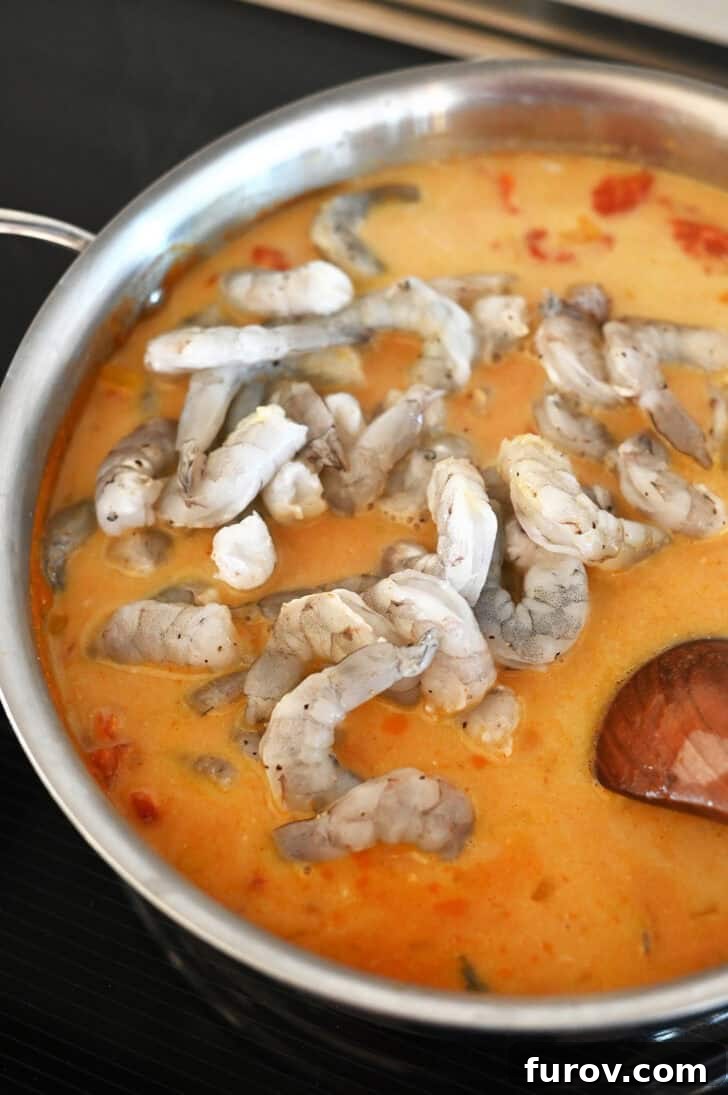
- Introduce Creamy Coconut Milk and Shrimp: The moment for the star ingredients arrives! Pour in the creamy coconut milk, stirring it thoroughly to combine with the rich tomato-spice base. Bring the sauce to a gentle simmer, then carefully add the marinated shrimp. It’s essential to cook the shrimp just until they turn pink and are opaque throughout. This typically takes only 3 to 4 minutes. Be vigilant, as overcooking shrimp can quickly lead to a rubbery texture, detracting from the dish’s overall appeal.
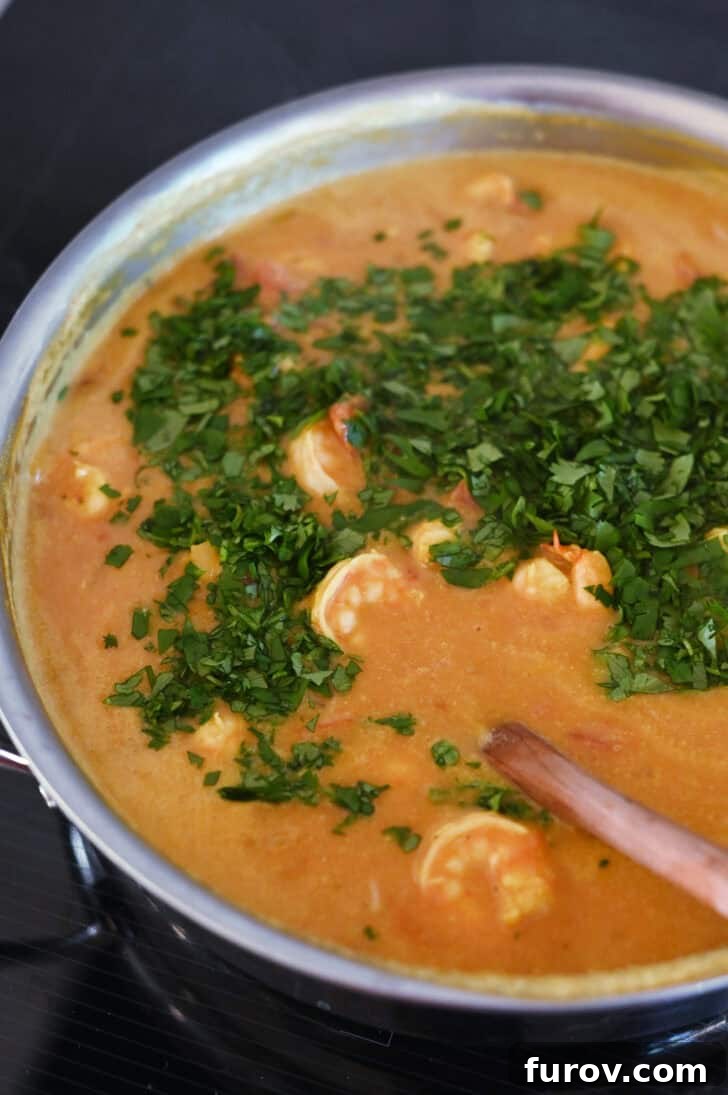
- Finish with Fresh Cilantro: To complete this culinary masterpiece, stir in a generous amount of freshly chopped cilantro just before serving. The bright, herbaceous notes of cilantro cut through the richness of the curry, adding a fresh burst of flavor and a vibrant green garnish. If cilantro isn’t to your liking, feel free to omit it, or substitute with fresh parsley for a milder green touch. This final touch elevates the dish, making it not only incredibly flavorful but also visually appealing.
As you can see from these clear, concise steps, this coconut shrimp curry comes together with remarkable speed and ease. It’s truly a fast and simple meal that consistently delivers flavors far superior to what you’d expect from a quick weeknight dinner, often surpassing the quality of many restaurant takeouts.
Deep Dive into Key Ingredients: Tips for Success and Flavor Perfection
Understanding the nuances of your ingredients can significantly elevate your cooking. Here are some detailed notes to help you get the most out of each component in your coconut shrimp curry, ensuring a flavorful and perfectly balanced dish every time.
- Shrimp Selection and Preparation: This recipe calls for large shrimp, ideally peeled and deveined for convenience and optimal enjoyment. When purchasing, look for shrimp labeled 31-40 per pound, which refers to the number of shrimp in a pound. If using frozen shrimp, it’s crucial to thaw them completely before use. The best method is to transfer them to the refrigerator overnight or place them in a bowl under cold running water for about 15-20 minutes. Once thawed, pat them thoroughly dry with paper towels. Excess moisture can prevent proper searing and dilute the flavors of your marinade and curry sauce. Many readers enjoy a heartier curry, so feel free to increase the shrimp quantity up to two pounds if you desire a more protein-rich meal.
- Working with Fresh Ginger: Fresh ginger adds an unparalleled warmth and zing to the curry. For ease of use, a fantastic trick is to buy a knob of fresh ginger, cut it into 1-inch pieces, and store them in an airtight bag in the freezer. When a recipe calls for ginger, simply pull a piece from the freezer and grate it directly onto a rasp grater (like a Microplane) or the small holes of a box grater. There’s no need to peel or thaw it first, making preparation quick and mess-free. Alternatively, pre-packaged frozen ginger cubes are a convenient and effective substitute, offering the same fresh ginger flavor without the prep.
- Choosing the Right Curry Powder: Curry powder is a fascinating blend of various spices, meaning its flavor profile and heat level can differ significantly between brands. It’s a key component of this dish, so selecting a curry powder you genuinely enjoy is paramount. My personal recommendation is the sweet curry powder from Penzey’s Spices, known for its balanced, mellow warmth and complex aroma. If you prefer a spicier kick, a Madras curry powder might be a suitable choice, but be prepared to adjust the cayenne pepper accordingly. Experiment with different brands to find your favorite, as this will largely dictate the overall character of your curry.
- Understanding Coconut Milk: Coconut milk is the star ingredient that gives this curry its signature creamy texture and subtle sweetness. You have the option of using either light (reduced-fat) or regular (full-fat) coconut milk. While both will yield a delicious curry, opting for full-fat coconut milk will result in a noticeably richer and thicker sauce. Light coconut milk is a great choice for those looking to reduce calories, but be aware that the curry might be slightly thinner. Always shake the can well before opening to ensure the cream and liquid are fully incorporated, or stir vigorously after opening.
- Salt: The Flavor Enhancer: Salt is fundamental for bringing out the flavors in any dish, but its application requires a discerning hand. Over the years, feedback on this recipe has varied regarding saltiness. To ensure a universally perfect experience, the recipe now advises starting with a lesser amount of salt and then adjusting to taste at the very end. This is crucial because different types of salt have different densities and therefore varying levels of perceived saltiness. Coarse kosher salt, often used in recipes, is less salty by volume than fine table salt. A helpful rule of thumb: if substituting coarse kosher salt with table salt, use half the amount of table salt to avoid over-seasoning. Always taste your curry before adding more salt, as individual preferences vary greatly.
Versatile Protein: Shrimp Substitution with Chicken: For those who might not prefer shrimp, or simply wish to try an alternative, chicken is an excellent substitute. Many readers have successfully adapted this recipe using chicken, and the results are equally delicious. If you choose to use chicken, I recommend cutting boneless, skinless chicken breasts or thighs into bite-sized pieces. Season the chicken with salt and pepper, then cook it in a separate pan with a tablespoon of oil until golden brown and thoroughly cooked through. Once cooked, remove the chicken from the pan and set it aside. Proceed with the curry recipe as directed, and then stir in the pre-cooked chicken during the final simmering stage with the coconut milk, allowing it to heat through and absorb the delicious curry flavors.
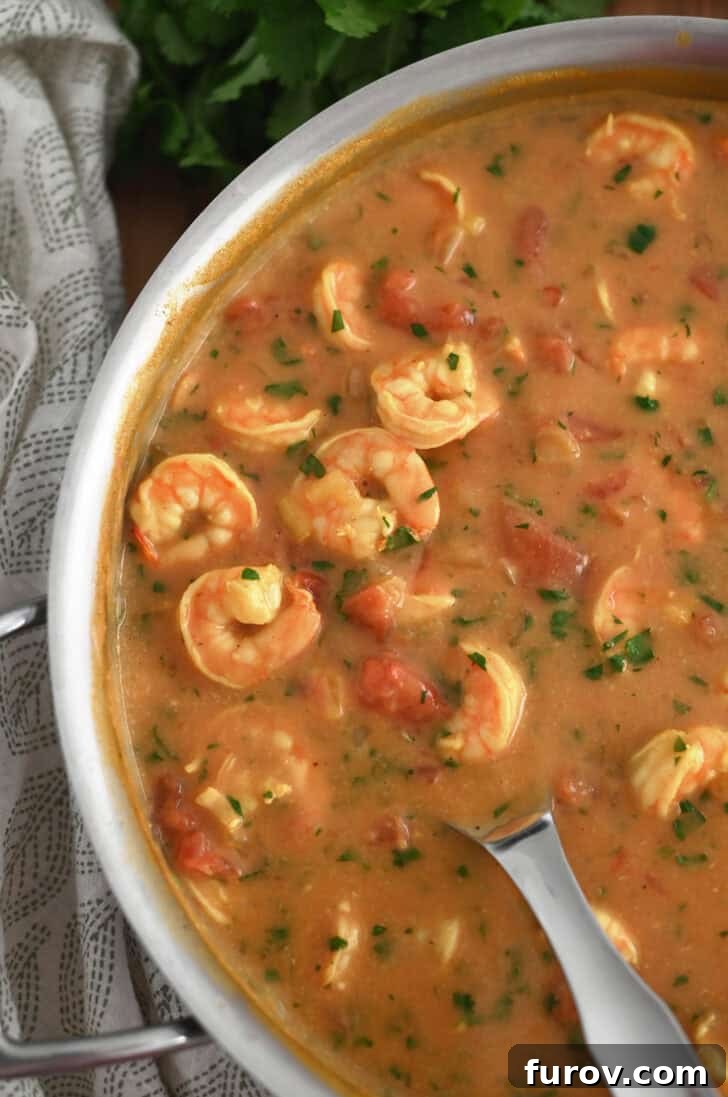
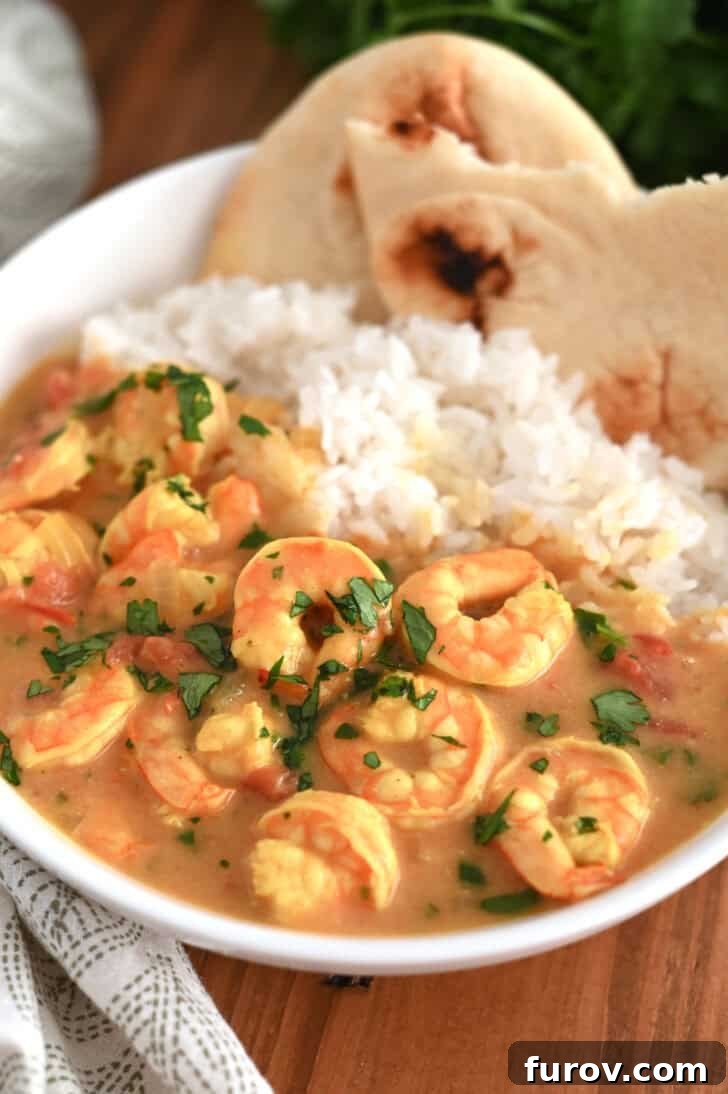
A Tried-and-True Favorite: Why This Coconut Shrimp Curry Inspires Devotion
The flavor and quality of this coconut shrimp curry are truly extraordinary, earning it a special place in the hearts of many who have tried it. Don’t just take my word for it; a quick glance through the comments sections on this recipe consistently reveals an outpouring of love and absolute devotion. People rave about its rich, complex taste, its comforting warmth, and the sheer delight it brings to the dinner table.
As a food blogger, I’m frequently asked to name my favorite recipe from my extensive collection. This question is always incredibly challenging, akin to a parent being asked to choose a favorite child – the answer often depends on the day, my mood, or what I’ve recently cooked. However, more often than not, when pressed for a definitive answer, my mind returns to this very coconut shrimp curry. It consistently emerges as my go-to dinner to both prepare and savor.
I truly love everything about this dish. Its speed is unparalleled; it comes together so quickly, making it a perfect solution for busy weeknights. The ingredients are almost always on hand, especially with a stash of shrimp conveniently tucked away in the freezer. But beyond the practicality, it’s the taste that truly captivates – it’s crazy, crazy delicious. The creamy coconut milk combined with the delicate sweetness of shrimp and the warmth of aromatic spices creates a symphony of flavors that is utterly addictive.
“Oh my gosh! Mel! This was A-MAZ-ING! I LOVED it! Actually my whole family did! I have tried a lot of your recipes and have loved them all, but I think this is by far my favorite!”
—Bonny
This sentiment, echoed by countless others like Bonny, solidifies its status as a reliable, crowd-pleasing recipe that never fails to impress. It’s more than just a meal; it’s an experience that brings joy and satisfaction to everyone at the table.
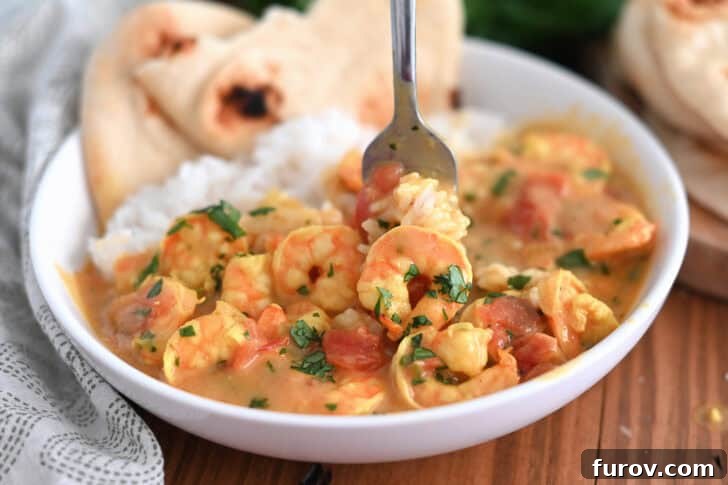
Perfect Pairings: What to Serve With This Flavorful Curry
A delicious curry deserves equally delightful accompaniments to complete the meal. Here are some fantastic suggestions that complement the rich flavors of our Coconut Shrimp Curry:
- 5-Minute Skillet Broccoli: For a quick and healthy green vegetable, perfectly steamed or lightly sautéed broccoli provides a fresh crunch that contrasts beautifully with the creamy curry.
- Simple Green Salad: A crisp green salad with a light vinaigrette offers a refreshing counterpoint, cleansing the palate between bites of the rich curry.
- Easy Flatbread or Homemade Naan: These soft, pillowy breads are ideal for scooping up every last drop of the delectable curry sauce. The chewy texture and subtle flavor of flatbread or naan make them indispensable companions.
- Fluffy Basmati Rice: While mentioned in the recipe, it bears repeating that hot, fluffy basmati rice is the classic and arguably best pairing. Its neutral flavor and tender grains perfectly absorb the curry sauce, creating a harmonious bite.
- Cucumber Raita: A cooling yogurt-based condiment with grated cucumber and a hint of mint or cumin can provide a refreshing balance to the curry’s warmth.
Coconut Shrimp Curry
Prep Time: 15 mins
Cook Time: 15 mins
Total Time: 30 mins
This quick and easy coconut shrimp curry is incredibly flavorful and ready in under 30 minutes! A perfect weeknight meal.

Ingredients
For the shrimp:
- ½ teaspoon coarse kosher salt (cut in half if using table salt)
- ¼ teaspoon ground black pepper
- ⅛ teaspoon cayenne pepper
- 2 tablespoons freshly squeezed lemon juice
- 1 pound large shrimp (31 to 40 per pound), peeled and deveined (see notes)
For the sauce:
- 1 tablespoon olive oil or other cooking oil
- 1 medium red or yellow onion, finely chopped
- 1 tablespoon minced fresh ginger (see notes)
- 2 teaspoons coarse kosher salt (cut in half if using table salt)
- 2 teaspoons ground coriander
- 1 teaspoon curry powder (see notes)
- ½ teaspoon ground pepper
- ½ teaspoon turmeric
- 2 cloves garlic, finely minced
- 1 (14.5-ounce) can diced tomatoes, undrained
- 1 can coconut milk (see notes)
- ½ to 1 cup chopped fresh cilantro
- Hot cooked rice for serving
Instructions
- Place the shrimp in a resealable bag or in a dish. Add the salt, pepper, cayenne, and lemon juice and toss until evenly combined. Cover and refrigerate for 15-20 minutes.
- Meanwhile, in a 12-inch skillet or saucepan, heat the oil over medium heat until shimmering. Add the onion and cook for 2-3 minutes until it begins to soften.
- Stir in the ginger, 2 teaspoons salt, coriander, curry, pepper, turmeric, and garlic. Continue to cook over medium heat, stirring often, until the mixture is very fragrant and the onions have softened and turned translucent, about 5-7 minutes. This step is crucial for building the flavor base.
- Add the diced tomatoes (undrained), scraping up any browned bits from the bottom of the pan with your spoon. Increase the heat to medium-high and simmer for 5-10 minutes, stirring often, allowing the flavors to meld and the sauce to thicken slightly.
- Add the coconut milk and stir to combine thoroughly. Bring the mixture to a gentle simmer.
- Add the marinated shrimp and any accumulated juices from the bag or dish. Simmer gently until the shrimp are pink and cooked through, typically 3 to 4 minutes. Be careful not to overcook them, as this can make them tough.
- Stir in the fresh cilantro. Taste the curry and season to taste with additional salt and pepper, if needed.
- Serve immediately over hot, cooked rice. Enjoy the rich, creamy, and spicy flavors!
Notes
Shrimp: For a heartier meal, you can easily increase the amount of shrimp up to 2 pounds without needing to adjust other ingredients significantly. Ensure all shrimp are peeled, deveined, and patted dry before marinating.
Ginger: An excellent method for always having fresh ginger on hand is to cut a piece into 1-inch chunks and store them in the freezer. When needed, simply grate the frozen ginger directly into your dish using a rasp grater; no thawing or peeling is required. Frozen ginger cubes are also a convenient alternative.
Curry Powder: The flavor and heat of curry powder vary widely by brand, as it’s a blend of multiple spices. Find one that suits your taste. Penzey’s sweet curry powder is a highly recommended option for its balanced and flavorful profile.
Coconut Milk: Both light and regular (full-fat) coconut milk work in this recipe. Full-fat coconut milk will result in a richer, thicker, and creamier curry, while light coconut milk will yield a slightly thinner sauce with fewer calories.
Thickening: If you prefer a thicker curry, prepare a cornstarch slurry by dissolving 1 tablespoon of cornstarch in 2 to 3 tablespoons of cold water. Add this slurry along with the shrimp in step 6 and simmer until the shrimp are cooked and the curry has reached your desired consistency.
Salt: Salt levels are a matter of personal preference and depend on the type of salt used. The recipe starts with a moderate amount; always taste and adjust at the end. Remember that coarse kosher salt is less potent by volume than fine table salt, so use half the amount if substituting table salt.
Course: Main Course
Cuisine: Indian
Method: Stovetop
Nutrition Information
Serving: 1 Serving, Calories: 303kcal, Carbohydrates: 8g, Protein: 33g, Fat: 17g, Saturated Fat: 12g, Cholesterol: 243mg, Sodium: 1646mg, Fiber: 2g, Sugar: 3g
Recipe Source: This recipe has been lovingly adapted from American Masala by Suvir Saran, a fantastic culinary discovery from my local library.
Recipe originally published January 2012; thoughtfully updated July 2025 with new photos, enhanced recipe notes, and clearer instructions to provide the best cooking experience for our readers.