
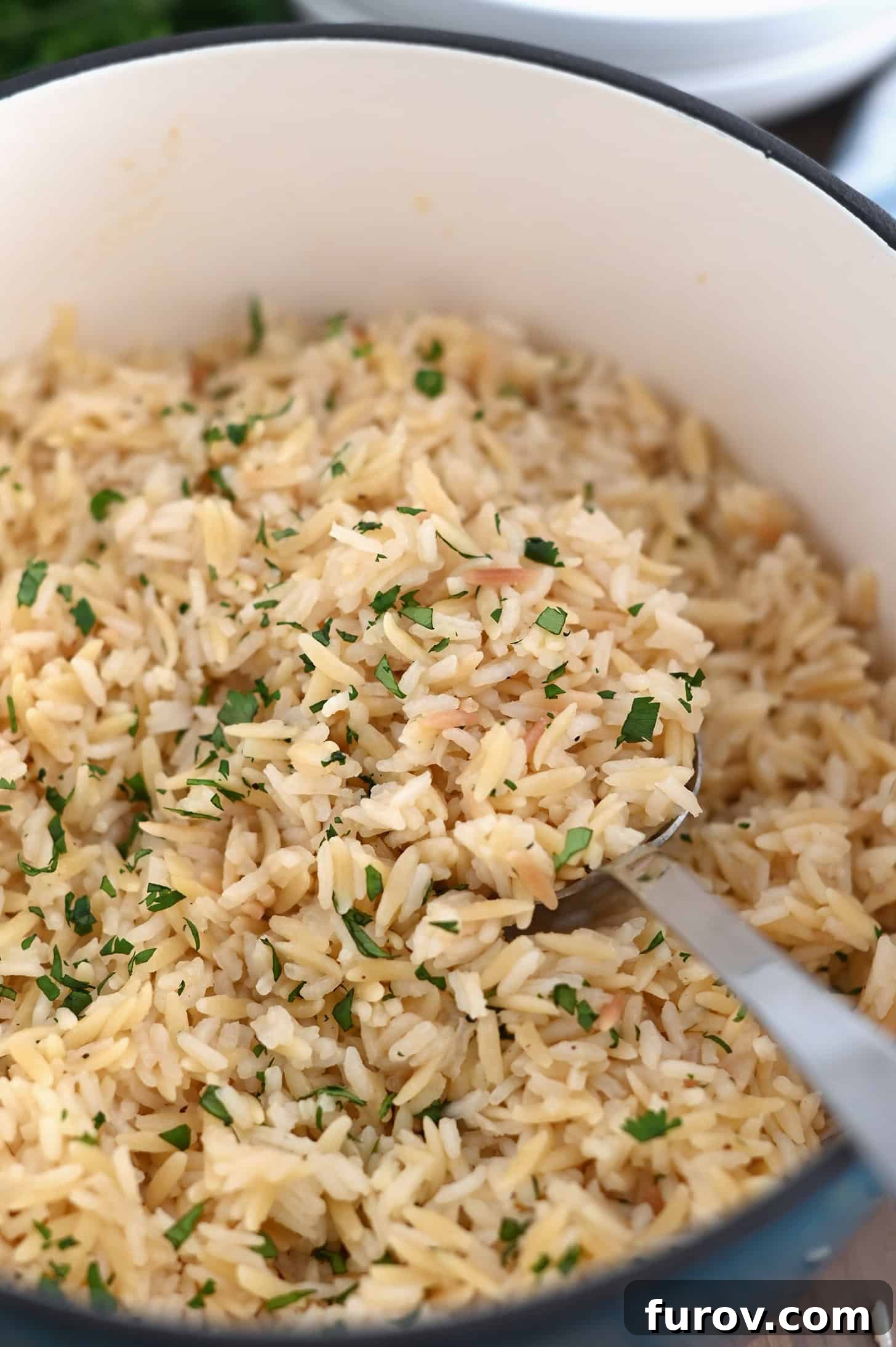
This comprehensive guide will help you create the most tender, flavorful, and incredibly easy rice pilaf! Featuring a perfect combination of long-grain rice and delicate orzo pasta, infused with simple yet potent spices, this stovetop staple is designed for tender, fluffy perfection every time. It’s more than just a side dish; it’s a revelation of flavor and texture that elevates any meal.
Rice pilaf holds a special place in the culinary world, renowned for its comforting appeal and remarkable versatility. Unlike plain steamed rice, pilaf offers a delightful depth of flavor and a distinct, fluffy texture that makes it an ideal companion to almost any main course. This stovetop rendition focuses on an incredibly quick and straightforward method, ensuring perfect results even for novice cooks. We’re talking about a side dish that requires minimal fuss but delivers maximum impact, making it a go-to for busy weeknights and special occasions alike.
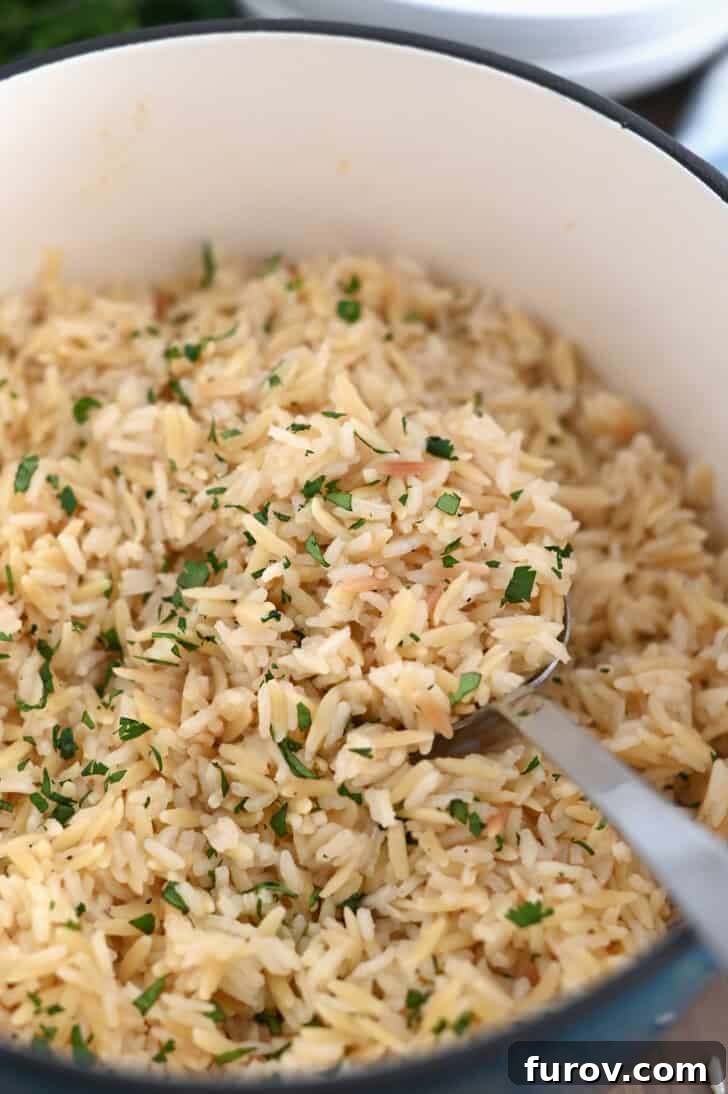
Unveiling the Magic of Rice Pilaf
At its heart, rice pilaf is a simple yet sophisticated rice dish where grains are toasted in butter or another fat before being simmered in a flavorful liquid, typically broth. This crucial toasting step is what differentiates pilaf from ordinary boiled or steamed rice, imparting a rich, nutty flavor and ensuring each grain remains distinct and fluffy, rather than clumpy. While many cultures have their own variations, the fundamental technique remains consistent: build flavor, toast grains, then cook gently.
For this particular recipe, we’ve chosen the classic combination of long-grain white rice and orzo pasta. This pairing creates a delightful textural contrast, with the tiny pasta adding an extra layer of chewiness that perfectly complements the tender rice. It’s a classic choice that guarantees a universally loved side dish.
The Path to Perfect Rice Pilaf: 4 Essential Steps
Achieving a truly perfect rice pilaf is simpler than you might imagine, and it all comes down to mastering these four key steps. Each stage contributes significantly to the final taste and texture, transforming humble ingredients into a star side dish.
- Establish the Flavor Base: Sauté Aromatics. Begin by gently sautéing finely diced onions in a blend of butter and olive oil. This step is foundational, softening the onions and releasing their sweet, aromatic compounds, which will infuse the entire dish with a delicious depth. Cooking until translucent, about 3-4 minutes, ensures the onions are tender and flavorful, without any raw bite.
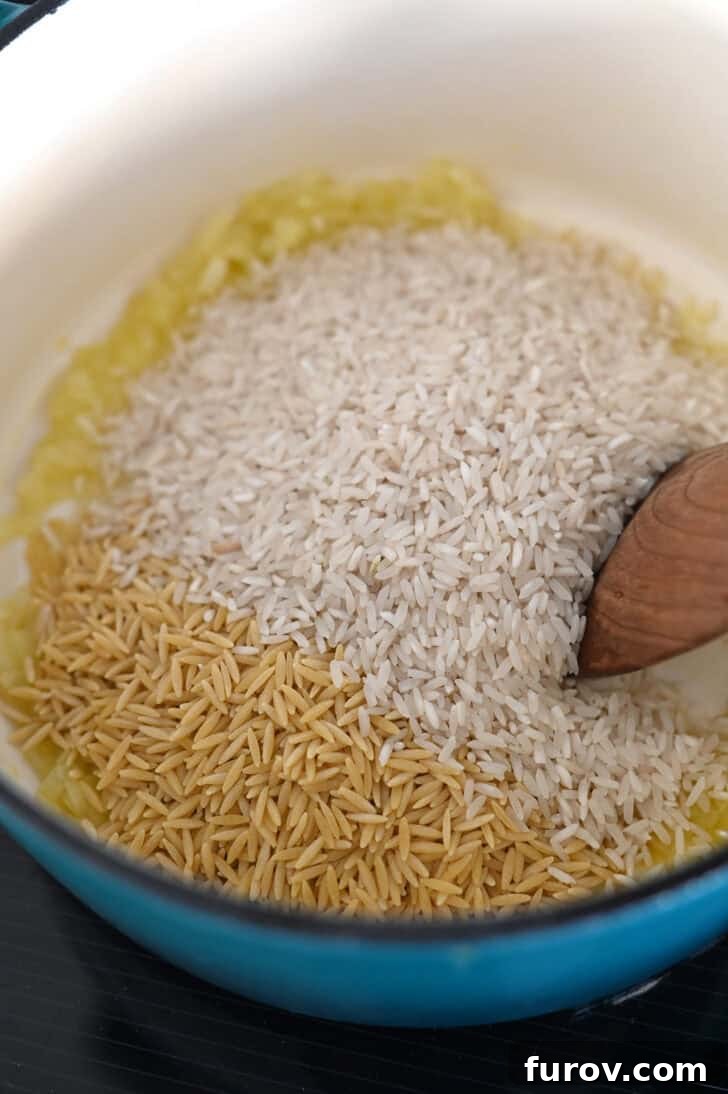
- Unlock Nutty Goodness: Toast the Grains. This is arguably the most critical step for an authentic pilaf. Add the long-grain rice and orzo pasta to the pot with the sautéed onions and fat. Stir continuously, ensuring every grain is thoroughly coated in the buttery mixture. Continue to cook over medium heat for 3 to 4 minutes, until the rice and orzo begin to sizzle, turn lightly golden, and release a distinct, nutty aroma. This toasting process, known as the Maillard reaction, not only develops a deeper flavor but also helps to prevent the grains from sticking together, resulting in a wonderfully fluffy pilaf. Do not skip this step – it makes all the difference!
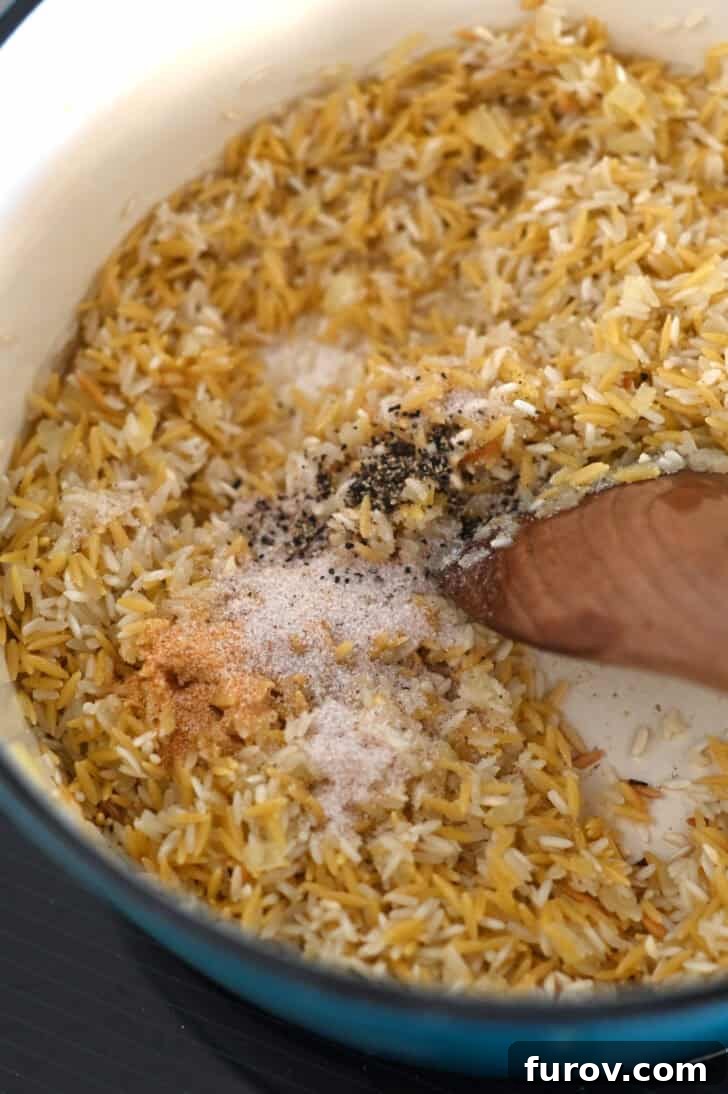
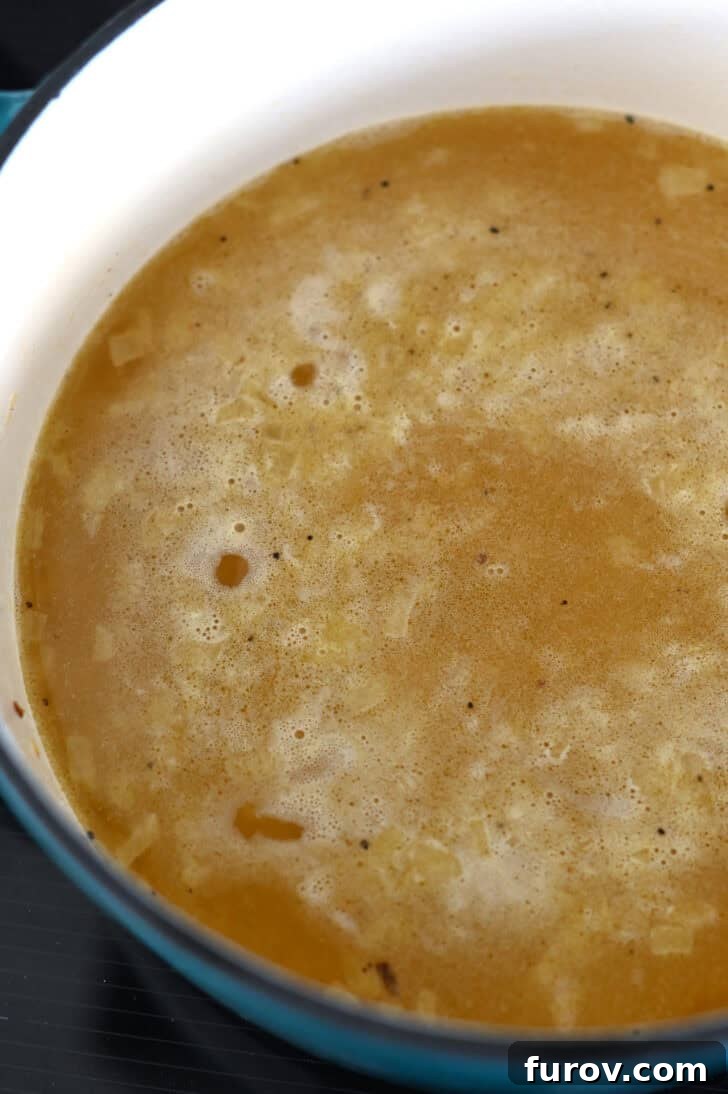
- Infuse with Richness: Add Pantry-Friendly Spices and Broth. Once the grains are perfectly toasted, it’s time to layer in more flavor. Introduce your pantry staples: garlic powder, onion powder, salt, and black pepper. These spices provide a warm, savory backdrop without overpowering the natural flavors of the rice and orzo. Pour in the low-sodium chicken broth (or vegetable broth for a vegetarian option). Give everything a quick stir to ensure the spices are well distributed and to scrape up any flavorful bits from the bottom of the pot.
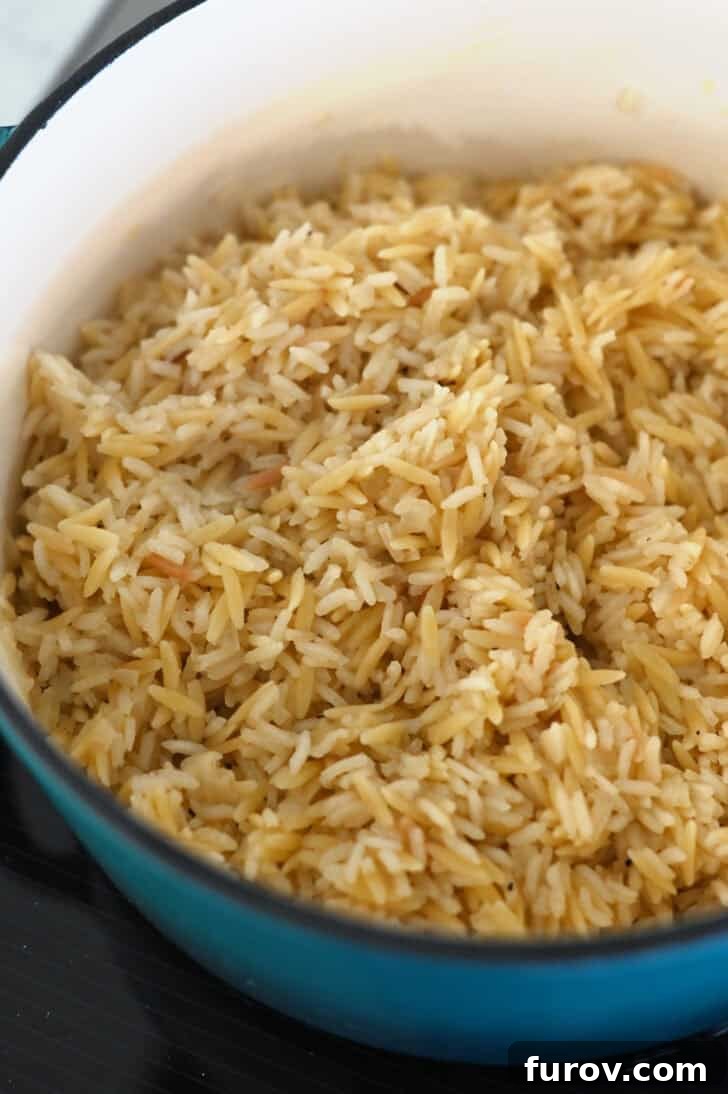
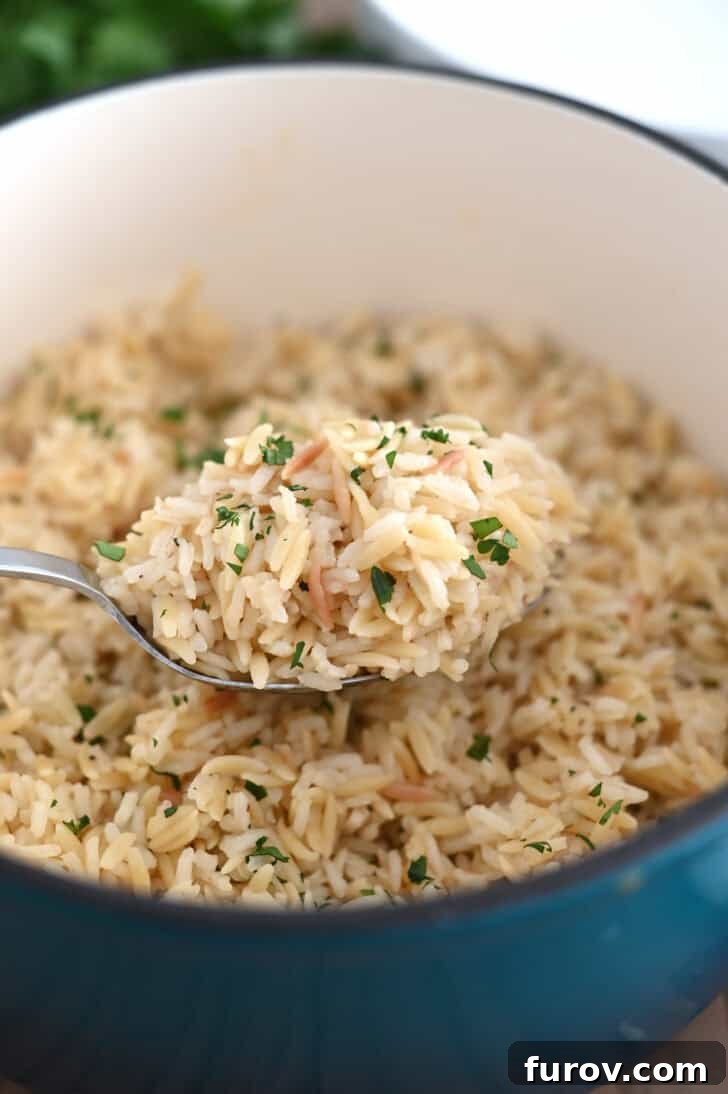
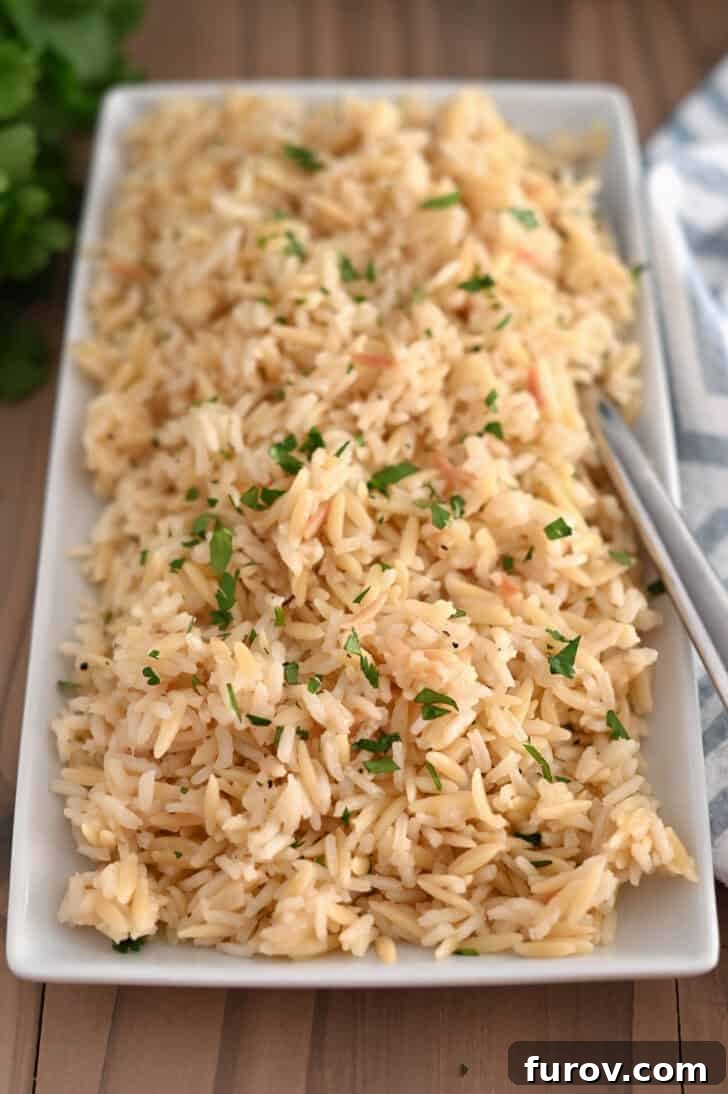
- Gentle Simmer and Rest: Achieve Tender Perfection. Bring the mixture to a boil over medium heat, then immediately reduce the heat to a low simmer. Cover the pot tightly and resist the urge to peek! Allowing the pilaf to cook undisturbed for precisely 17 minutes ensures even cooking and prevents steam from escaping, which is essential for tender grains. Once the cooking time is complete, remove the pot from the heat and let it rest, still covered, for an additional 5 to 10 minutes. This resting period allows the steam to redistribute, resulting in incredibly fluffy rice and perfectly cooked orzo. Finally, remove the lid, fluff with a fork or spoon, and garnish with fresh parsley for a touch of freshness. Serve warm and enjoy!
Ingredients for the Ultimate Rice Pilaf: A Deeper Dive
While the steps are simple, understanding the role of each ingredient can help you customize and perfect your pilaf.
- Long-Grain White Rice: Varieties like Basmati or Jasmine rice are excellent choices for pilaf due to their lower starch content, which helps them cook up fluffy and separate. Standard long-grain white rice also works beautifully. Rinsing the rice before toasting is generally recommended to remove excess starch, though the toasting step in pilaf recipes often mitigates some of the stickiness.
- Orzo Pasta: This small, rice-shaped pasta integrates seamlessly with the rice, adding a pleasant chewiness and visual appeal. If you don’t have orzo, feel free to substitute with small pieces of broken vermicelli or other tiny pasta shapes. Just ensure they are toasted alongside the rice for that signature pilaf flavor.
- Butter and Olive Oil: The combination of butter for rich flavor and olive oil for a higher smoke point creates the perfect medium for sautéing and toasting. You can adjust the ratio based on your preference, or use all butter for a richer taste. Ghee is also a fantastic alternative for a deeper, nutty flavor profile.
- Onion: Finely diced onion provides the essential aromatic base. It mellows and sweetens as it cooks, building a foundation of flavor that is critical to a delicious pilaf.
- Low-Sodium Chicken Broth (or Stock): Using broth instead of water is key to infusing the pilaf with savory depth. Low-sodium varieties allow you to control the overall saltiness of the dish. Vegetable broth is an excellent substitute if you prefer a vegetarian version.
- Spices: Garlic powder, onion powder, salt, and black pepper are our core flavor enhancers. For an elevated experience, consider adding a bay leaf during simmering or a pinch of saffron for a beautiful color and exotic aroma. A touch of dried thyme or oregano can also complement the savory notes.
- Fresh Parsley: A final sprinkle of chopped fresh parsley adds a vibrant color and a burst of herbaceous freshness, brightening the dish just before serving.
What to Serve with Rice Pilaf: Endless Possibilities
For such an unassuming recipe, rice pilaf is incredibly delicious and pairs wonderfully with a vast array of main dishes. Its aromatic profile, thanks to the garlic and onion, makes it far more flavorful than everyday steamed rice, yet it remains versatile enough not to overshadow your star entree.
Here are just a few ideas to get your culinary creativity flowing:
- Seafood Sensations:
- Best Baked Salmon
- Maple Pecan Salmon
- Honey Lime Tilapia
- Grilled Shrimp or Scallops
- Perfect Poultry Pairings:
- Lemon Garlic Grilled Chicken
- Rosemary Ranch Chicken
- Roasted Chicken or Turkey Breast
- Chicken Shawarma or Gyros
- Robust Red Meat Dishes:
- Roasted Maple-Glazed Pork Tenderloin
- Smoky Grilled Pork Tenderloin
- Beef Kabobs
- Grilled Steaks or Lamb Chops
- Vegetarian & Vegan Delights:
- Roasted Balsamic Winter Vegetables
- Lentil or Chickpea Stews
- Grilled Halloumi or Tofu
- Vegetable Curries
Mastering the Texture: Tips and Tricks for Fluffy Pilaf
While the four steps outline the process, a few additional tips can help ensure your rice pilaf is always perfectly fluffy and never mushy or sticky.
- Use a Heavy-Bottomed Pot: A good quality saucepan, preferably cast iron or a thick-bottomed stainless steel pot, distributes heat evenly and prevents scorching, which is crucial during the grain-toasting phase.
- Precise Liquid-to-Grain Ratio: The specified ratio of 2.5 cups of broth to 1 cup rice and 0.75 cup orzo is carefully balanced for optimal tenderness without excess moisture. Stick to this ratio for best results.
- Resist the Urge to Stir While Simmering: Once covered and simmering, stirring disrupts the steaming process and can lead to unevenly cooked or gummy rice. Let the magic happen undisturbed.
- The Power of Resting: The 5-10 minute rest off the heat is non-negotiable. It allows the rice and orzo to absorb any remaining moisture and the grains to firm up, resulting in that delightful fluffy texture.
- Fluff with a Fork: After resting, use a fork, not a spoon, to gently fluff the pilaf. A fork helps separate the grains without crushing them.
A No-Fuss Side Dish That Impresses
If you’re searching for a reliable, flavorful, and incredibly easy side dish that you can whip up at the last minute, look no further. This perfect rice pilaf recipe is designed for you! It’s an ideal choice for elevating everyday meals without adding any complexity to your cooking routine.
Remember the golden rule: Do not skip toasting the rice and orzo in the butter. This single step makes all the difference in achieving the signature nutty flavor and fluffy texture of the finished dish. It’s what truly distinguishes a stellar pilaf from a bland rice side.
Interestingly, when I serve this rice pilaf, my kids react as if something extraordinary is happening, almost like VIP guests are coming for dinner! Apparently, children who grew up on plain, old steamed rice get pretty darn excited to see a flavorful rice pilaf appear at the table. It’s a good thing I can “wow” them at a moment’s notice with such an effortless recipe! This rice pilaf is definitely easy enough for a busy weeknight meal and simultaneously “fancy” enough to complement more elevated dining experiences. It has quickly become a cherished go-to side dish in our household, and I’m confident it will become one in yours too.
Explore Delicious Variations
While this recipe provides a fantastic base, don’t hesitate to get creative with your rice pilaf. Here are a few ideas to customize it:
- Add Vegetables: Sauté finely diced carrots, celery, bell peppers, or mushrooms along with the onions for added nutrients and flavor. Stir in frozen peas or corn during the last few minutes of cooking for a pop of color and sweetness.
- Herbaceous Touches: Experiment with fresh herbs beyond parsley. Dill, mint, cilantro, or chives can offer distinct flavor profiles, especially when paired with specific main courses.
- Citrus Brightness: A squeeze of fresh lemon juice or a sprinkle of lemon zest at the end can brighten the flavors and add a refreshing zing.
- Nuts and Dried Fruits: For a more exotic touch, consider adding toasted slivered almonds, pistachios, or pine nuts during the last few minutes of cooking. Dried cranberries, raisins, or chopped apricots can add a delightful sweetness and texture.
- Spice Blends: Beyond the basic garlic and onion powder, explore other spice blends like a pinch of turmeric for color and earthy notes, or a touch of cumin for a Mediterranean twist.
A Look Back at Our Favorites:
One Year Ago: Cheesy Italian Chicken Zucchini Skillet
Two Years Ago: Creamy Beef and Tomato Noodle Soup
Three Years Ago: Crazy Good Kale and Wild Rice Salad
Four Years Ago: Peanut Butter Banana Bread
Five Years Ago: Easy Flaky Buttermilk Drop Biscuits
Six Years Ago: Chicken and Vegetable Dumpling Soup
Seven Years Ago: Sheet Pan Balsamic Chicken + Veggies Dinner {30-Minute Meal}
Eight Years Ago: Yum Yum Bowls with Knockoff Cafe Yumm Sauce
Nine Years Ago: German Pancake with Butter Syrup
Ten Years Ago: Amazing Romaine Salad with Light Poppy Seed Vinaigrette
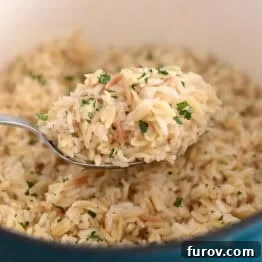
Perfect Rice Pilaf
Pin
Rate
Ingredients
- 2 tablespoons butter
- 1 tablespoon olive oil
- ½ cup finely diced onion
- 1 cup long-grain white rice
- ¾ cup dry orzo pasta
- 2 ½ cups low-sodium chicken broth or stock
- 1 teaspoon salt
- ½ teaspoon garlic powder
- ¼ teaspoon onion powder
- ⅛ teaspoon black pepper
- Chopped, fresh parsley, for garnish
Instructions
-
In a medium saucepan, heat the butter and olive oil over medium heat. Add the onion and cook, stirring often, until the onion has turned translucent, 3 to 4 minutes.
-
Add the rice and orzo and stir well to coat the grains with the butter mixture. Continue to cook over medium heat, stirring often, for 3 to 4 minutes until the grains are sizzling and lightly golden. Watch closely so the grains don’t burn.
-
Add the broth, salt, garlic powder, onion powder, and pepper. Stir to combine and scrape up any bits from the bottom.
-
Bring the mixture to a boil over medium heat without stirring. Stir once to ensure nothing is sticking to the bottom. Cover the pot tightly, turn the heat down to maintain a gentle simmer, and cook for 17 minutes (do not lift the lid during cooking!).
-
Remove the pot from the heat and let it sit undisturbed, still covered, for 5 to 10 minutes before removing the lid. Fluff the pilaf gently with a spoon or fork. Garnish with fresh parsley, if desired. Serve warm.
Notes
Pasta: If orzo pasta is unavailable, you can substitute it with small pieces of broken vermicelli or other tiny pasta shapes for a similar texture and result.