
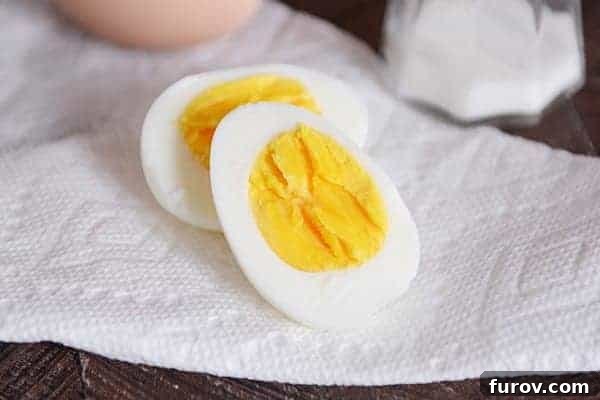
Discover the ultimate method for flawlessly peeling hard-boiled eggs every single time, even those notoriously stubborn farm-fresh eggs! Say goodbye to chipped whites and frustrating peeling experiences with this simple, foolproof technique.
For years, like many home cooks, I relied on a specific method for boiling eggs, believing it to be the gold standard. It served its purpose, mostly. However, a recent discovery has completely revolutionized my approach, making me feel as though I’ve been holding out on a culinary secret! This new technique isn’t just an improvement; it’s a revelation, consistently delivering perfect, easy-to-peel hard-boiled eggs with unparalleled consistency.
The journey to culinary perfection often involves experimentation, and my quest for the ideal hard-boiled egg was no different. After stumbling upon Sally’s absolutely no-fail method, I felt compelled to put it to the test. My previous method, which I’d shared a couple of years prior, had been my trusted companion. Yet, the promise of effortless peeling, especially for fresh eggs, was too enticing to ignore.
The Unveiling of a Superior Hard-Boiling Method
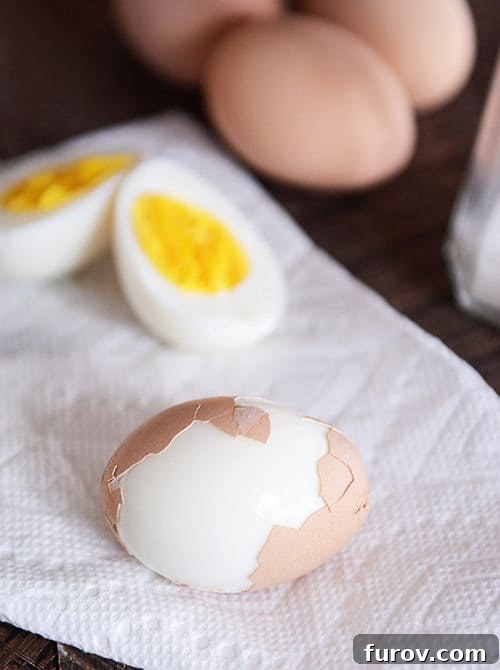
Initially, I was confident my long-standing method would hold its own. After all, it had rarely failed me entirely. But I was genuinely mistaken. This slightly modified, yet still incredibly straightforward, approach to making hard-boiled eggs has proven itself superior in every conceivable way. It’s not an exaggeration to say that every single egg I’ve boiled using this technique has peeled effortlessly, almost magically. This isn’t just about convenience; it’s about eliminating one of the most frustrating kitchen tasks.
I’ve been diligently employing this method for many months now, and the results have been consistently impeccable. No more ragged egg whites, no more frustrating moments battling stubborn shells. The shells truly just fall off, leaving behind beautifully smooth, perfectly cooked eggs. This consistency is a game-changer for anyone who frequently prepares hard-boiled eggs, from meal preppers to those simply enjoying a quick, nutritious snack.
The Holy Grail: Perfectly Peeled Fresh Eggs
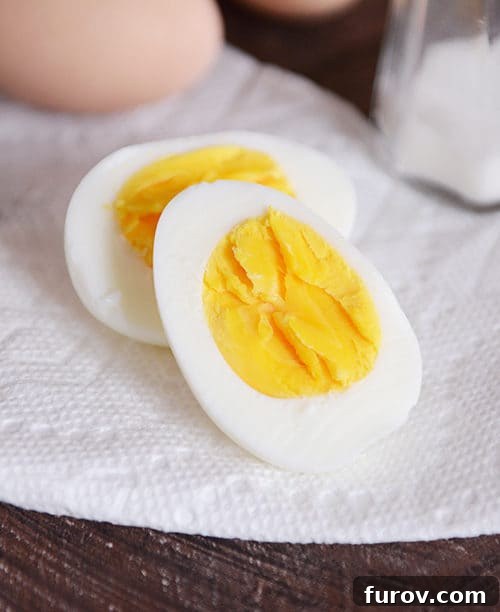
For anyone who has ever wrestled with peeling a farm-fresh hard-boiled egg, you understand the magnitude of this statement: even fresh eggs peel perfectly. Let me repeat that with emphasis: EVEN FRESH EGGS! I apologize for the virtual shouting, but the sheer relief and joy this brings to those who’ve experienced the tragedy of fragmented egg whites and shell shrapnel are immense. Historically, peeling fresh eggs has been a notorious challenge, often leading to a significant loss of the egg white.
Before we welcomed chickens into our lives, I frequently heard seasoned chicken owners lament that one must age eggs for weeks before attempting to hard-boil them, as fresh eggs were simply unpeelable. This widespread belief contributed to the dread of cooking newly laid eggs for anything other than scrambling or frying. However, I am overjoyed to report that this method obliterates that myth. Fresh eggs now peel with remarkable ease, making backyard chicken keeping even more rewarding.
So, whether you’re diligently preparing for deviled egg season, anticipating egg salad sandwich season, or simply, like my family, consuming dozens of hard-boiled eggs weekly for convenient breakfasts and lunches, this method is an absolute must-try. It transforms a formerly tedious task into a simple, enjoyable part of your cooking routine.
Understanding the Science Behind Easy-Peel Eggs
What makes this method so effective? It largely comes down to two key factors: the cooking process and the rapid cooling. By introducing eggs into already boiling water and then reducing it to a gentle simmer, you create a mild, consistent heat environment. This prevents the whites from becoming tough and rubbery, a common pitfall of aggressive boiling. More importantly, it helps the egg white separate cleanly from the inner membrane that adheres so stubbornly to the shell, especially in fresh eggs.
The immediate transfer of the cooked eggs into an ice bath plays an equally crucial role. This rapid cooling causes the egg inside to contract quickly, pulling it away from the shell and its membrane. This sudden temperature shock is the secret weapon against sticking, creating a slight gap that makes the shell removal significantly easier. This combination of gentle cooking and abrupt cooling is what unlocks the magic of easy-peel hard-boiled eggs, regardless of their freshness.
Essential Peeling Tips for Flawless Results
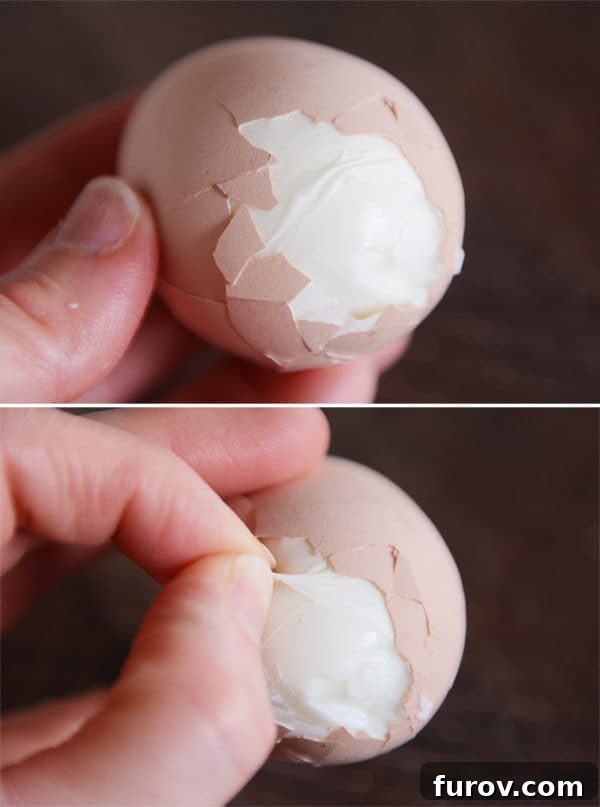
While the method itself ensures easy peeling, a specific technique can further enhance your success. When you’re ready to peel, make sure you get under the membrane that sits between the shell and the egg white. This thin, almost invisible layer is the primary culprit behind peeling frustrations. Once you breach this membrane, the shell tends to slide off in larger pieces, making the entire process quicker and cleaner.
I’ve found it particularly helpful to start by gently tapping the larger end of the egg on the counter. This action often creates a tiny crack and an air pocket, which is naturally present at this end of the egg. This small air pocket provides an ideal starting point for peeling, allowing you to easily slip your finger or thumb under the membrane and initiate the effortless removal of the shell. A gentle roll of the egg between your palms after tapping can also help shatter the shell into smaller, more manageable pieces without damaging the egg white beneath.
Beyond Peeling: The Versatility of Perfect Hard-Boiled Eggs
The joy of easy-peel hard-boiled eggs extends far beyond the peeling process itself. Imagine the convenience of having a batch of perfectly cooked eggs ready for any culinary whim. They are a powerhouse of nutrition, packed with protein and essential vitamins, making them an ideal choice for healthy snacking, quick breakfasts, or adding substance to salads and main courses.
Think about the possibilities: elegant deviled eggs for entertaining, creamy egg salads for sandwiches or wraps, or simply seasoned with a sprinkle of salt and pepper for a satisfying snack. They can be sliced and added to green salads, chopped into noodle soups like ramen, or even incorporated into heartier dishes like Cobb salads or curries. Having these versatile protein sources readily available in your refrigerator can streamline meal prep and encourage healthier eating habits throughout the week. This method truly elevates the humble hard-boiled egg to a culinary staple that is both simple to prepare and incredibly adaptable.
Tips for Storage and Maximizing Freshness
Once you’ve mastered the art of perfect, easy-peel hard-boiled eggs, proper storage is key to enjoying them for days. Unpeeled hard-boiled eggs can be stored in the refrigerator for up to one week. Keeping them in their shells helps to protect them from absorbing odors from other foods in the fridge and maintains their moisture. Placing them in a covered container or an egg carton can further extend their freshness.
Peeled hard-boiled eggs, while more convenient for immediate consumption, have a slightly shorter shelf life. They should be stored in a covered container filled with a little bit of cold water (changing the water daily is a good practice) or simply in an airtight container without water, and consumed within 3-5 days. The water method helps to prevent the egg whites from drying out and developing a rubbery texture. Always label your container with the date you cooked them to ensure you enjoy them at their best. Remember, if you detect any unusual odor from your eggs, it’s always best to err on the side of caution and discard them.
Perfect Hard-Boiled Eggs {Works for Fresh Eggs!}
5 mins
12 mins
17 mins
Pin Recipe
Ingredients
- Water
- Large eggs, storebought or fresh
Instructions
-
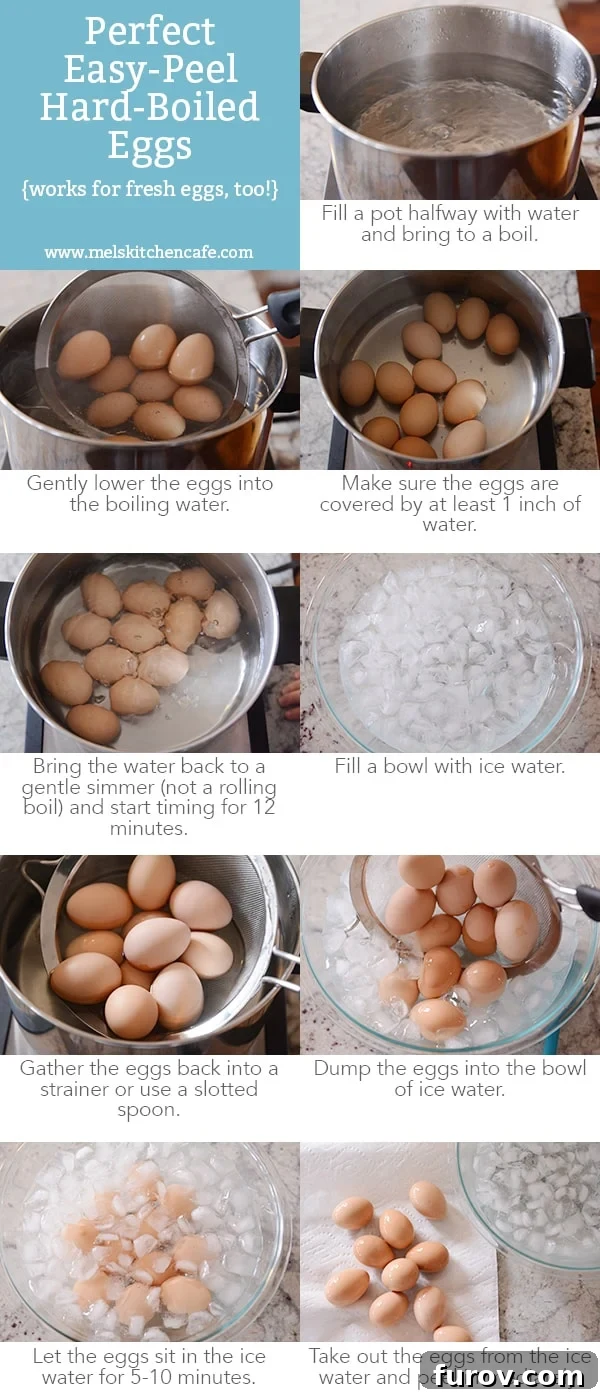
Fill a pot of water halfway and bring to a boil.
-
Gently lower eggs into the water (enough for an even layer). A strainer or slotted spoon works well for this – try to get them into the water as quickly as possible. Make sure the water covers the eggs by at least an inch. If not, add more hot water.
-
Bring the water to a gentle simmer and start timing for 12 minutes. Take care not to let the water come to a rolling boil or the egg whites can be rubbery and tough; keep it at a gentle simmer.
-
Fill a bowl with ice water.
-
Remove the eggs from the water with a strainer or slotted spoon or carefully drain the water from the pot.
-
Dump the eggs into the ice water and let the eggs sit for 5-10 minutes.
-
Take the eggs out of the ice water and peel immediately, tapping the large end of the egg to start the peeling and making sure to get under the membrane while peeling. The peeled eggs can be stored in a covered container in the refrigerator for several days.
Notes
Boiling the Eggs: you can boil as many eggs as your pot will hold – just make sure they stay in an even layer and aren’t too tightly packed together.
Egg Size: if using smaller or larger eggs (than the large eggs called for), adjust the time as needed.
Egg Temperature: it’s best if the eggs are at room temperature; if they are cold from the refrigerator, they may crack when they hit the hot water.
Mel
Side Dish
American
Stovetop
Recommended Products
Recipe Source: Adapted from Sally at Good Dinner Mom