
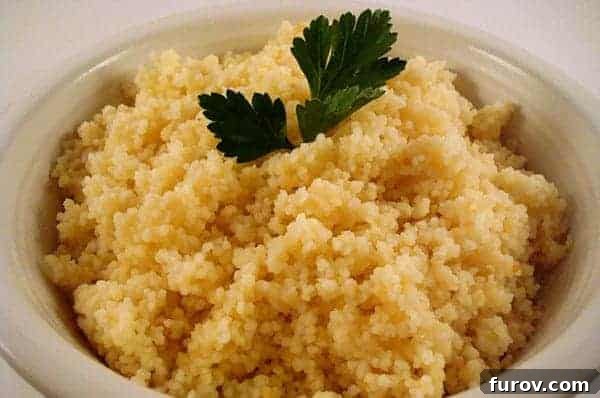
Elevate your meals with this simple yet effective method for achieving perfectly fluffy couscous, every single time! Whether you need a quick side dish or a versatile base for rich gravies, hearty stroganoffs, savory meatballs, or aromatic curries, couscous is an exceptional choice.
In the quest for culinary variety, I’m always seeking innovative ways to refresh our everyday side dishes. More importantly, I love finding exciting alternatives for what we serve our main courses *over*. While pasta and rice are undoubtedly staple foundations for countless dishes, their constant presence can lead to a sense of redundancy. This is precisely why I want to shine a spotlight on a fantastic, often-underestimated option: couscous.
What is Couscous? More Than Just a Grain
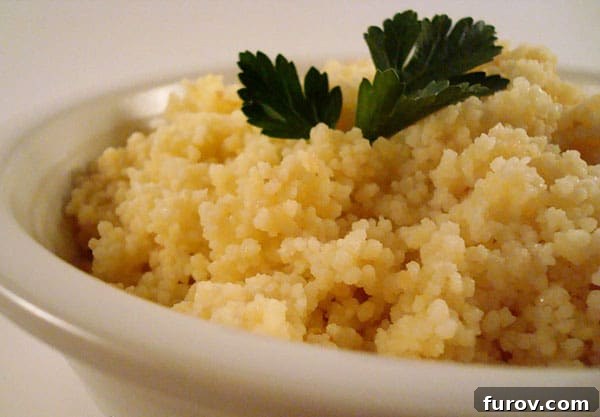
Couscous, originating from North Africa, is a small, pearl-shaped pasta made from semolina, the hard part of durum wheat. Despite being a pasta, it’s commonly treated and cooked much like a grain, making it an incredibly adaptable ingredient in the kitchen. Its tiny, granular form allows it to absorb flavors beautifully, transforming simple broths into aromatic, flavorful bites.
One of couscous’s most appealing features is its rapid cooking time. It can be prepared in roughly the same amount of time as white rice, often even quicker, making it a perfect solution for busy weeknights. Its texture is another highlight; when prepared correctly, it’s delightfully fluffy, light, and toothsome, offering a pleasant mouthfeel that complements a wide array of dishes.
My journey to embracing couscous more frequently began after a memorable experience with a Green Curry dish. The way the couscous soaked up the rich, spicy sauce was a revelation, proving its potential far beyond a simple starch. Since then, it has become a cherished staple, inspiring countless variations and pairings in my kitchen.
Why Choose Couscous for Your Next Meal?
Beyond its quick preparation, couscous offers several compelling reasons to make it a regular part of your cooking repertoire:
- Incredible Versatility: Couscous isn’t just for Moroccan tagines. It serves as an excellent base for saucy dishes like stroganoffs, provides substance to hearty stews, pairs wonderfully with meatballs, and is fantastic for soaking up the vibrant flavors of curries. It can also be transformed into delightful salads, adding texture and satiety.
- Rapid Cooking Time: In a world where time is often a luxury, couscous is a godsend. Most varieties cook in under 15 minutes, making it ideal for impromptu meals or when you need a quick carbohydrate source.
- Flavor Absorption: Its neutral flavor profile is a blank canvas, eagerly absorbing the nuances of whatever liquid or seasoning you pair it with. This makes it a fantastic vehicle for showcasing the main flavors of your dish.
- Health Benefits: Made from durum wheat, couscous is a good source of complex carbohydrates, providing sustained energy. Whole wheat couscous varieties offer an added boost of fiber, essential for digestive health. It also contains some protein and essential minerals.
- Texture: When properly prepared, couscous boasts a light, airy, and fluffy texture, quite distinct from rice or pasta, which can prevent mealtime monotony.
The Secret to Perfectly Fluffy Couscous Every Time
The method outlined below is designed to produce consistently toothsome, fluffy, and flavorful couscous. Forget mushy or clumpy results; this technique ensures each tiny pearl is separate and perfectly cooked. The key lies in a simple, yet often overlooked, initial step: toasting the couscous. This step adds a subtle nutty depth of flavor that elevates the dish beyond mere boiled grains.
Fluffy Couscous: The Essential Recipe
4 Servings
5 mins
20 mins
25 mins
Pin Recipe
Ingredients
- 4 tablespoons butter
- 2 cups couscous
- 1 small onion, minced
- ¾ teaspoon salt (or to taste)
- 2 cups water
- 1 ¾ cups low-sodium chicken broth (or vegetable broth for a vegetarian option)
Instructions
- Melt two tablespoons of the butter in a 12-inch nonstick skillet over medium heat. Add the dry couscous and cook, stirring frequently, until some of the grains begin to turn a light golden brown, which should take approximately 3 minutes. This toasting step significantly enhances the flavor. Transfer the toasted couscous to a large, heat-proof bowl.
- Return the skillet to medium heat and melt the remaining two tablespoons of butter. Add the minced onion and salt. Cook, stirring occasionally, until the onion has softened and become translucent, typically about 5 minutes. This step builds a flavorful base for your couscous.
- Pour in the water and chicken broth (or vegetable broth). Bring the liquid to a rolling boil over high heat.
- Once boiling, immediately pour the hot liquid over the toasted couscous in the large bowl. Cover the bowl tightly with plastic wrap or a snug-fitting lid. Allow it to sit undisturbed for about 12 minutes, giving the couscous time to absorb the liquid and become tender. Do not lift the lid during this period.
- After 12 minutes, remove the plastic wrap or lid. Using a fork, gently fluff the couscous, separating the grains. Season with additional salt and freshly ground black pepper to taste. Serve warm as a perfect accompaniment to your favorite main dishes.
Mel
Side Dish
American, Mediterranean
Stovetop
Nutrition Information (Approximate per serving)
Serving: 1 Serving,
Calories: 458 kcal,
Carbohydrates: 72g,
Protein: 14g,
Fat: 13g,
Saturated Fat: 7g,
Cholesterol: 30mg,
Sodium: 583mg,
Fiber: 5g,
Sugar: 2g
Nutritional values are estimates and can vary based on specific ingredients and preparation methods.
Recipe Source: Adapted slightly from The Best Skillet Recipes.
Tips for Couscous Perfection
Achieving consistently delicious couscous is simple, especially with a few tricks up your sleeve:
- Don’t Skip the Toasting: As highlighted in the recipe, toasting the dry couscous in butter or olive oil adds a deeper, nuttier flavor that you won’t get from simply boiling it. It also helps prevent the grains from clumping.
- Use Flavorful Liquid: While water works, chicken or vegetable broth truly elevates the taste. You can also infuse the liquid with aromatics like bay leaves, garlic cloves, or a slice of lemon before pouring it over the couscous.
- Maintain the Ratio: The 1:1 ratio of liquid to couscous (by volume) is crucial for Moroccan-style fine couscous. Too much liquid leads to mushy couscous, too little results in dry, undercooked grains.
- Cover Tightly and Resist Peeking: Once the hot liquid is added, it’s vital to cover the bowl tightly to trap the steam. This steam is what cooks the couscous perfectly. Lifting the lid releases the steam and can lead to uneven cooking.
- Fluff with a Fork: After the resting period, use a fork to gently fluff the couscous. This separates the grains and creates that desirable light, airy texture. Avoid stirring vigorously, which can break the grains.
- Experiment with Add-ins: Once cooked, stir in fresh herbs (parsley, cilantro, mint), toasted nuts (pine nuts, slivered almonds), dried fruits (raisins, cranberries), or finely diced vegetables (bell peppers, cucumbers) for added flavor and texture. A squeeze of lemon juice or a drizzle of good quality olive oil can also brighten the dish.
- Storage: Cooked couscous can be stored in an airtight container in the refrigerator for 3-4 days. To reheat, sprinkle with a little water or broth and microwave or gently warm on the stovetop.
Serving Suggestions & Creative Variations
Couscous’s adaptability means it can fit into virtually any meal plan. Here are some ideas to inspire your culinary adventures:
- Classic Side Dish: Serve alongside grilled chicken, roasted lamb, pan-seared fish, or any main course that benefits from a light, absorbent grain.
- Mediterranean Couscous Salad: Cool your cooked couscous and toss it with chopped tomatoes, cucumbers, red onion, feta cheese, Kalamata olives, fresh parsley, and a lemon-oregano vinaigrette.
- Moroccan-Inspired Bowls: Combine with chickpeas, roasted vegetables (like zucchini, bell peppers, carrots), a dollop of hummus, and a sprinkle of paprika or cumin.
- Stuffed Vegetables: Use couscous as a filling for bell peppers, tomatoes, or zucchini boats, often mixed with ground meat, herbs, and spices, then baked.
- Breakfast Porridge (Sweet Couscous): Believe it or not, couscous can be enjoyed sweet! Cook with milk instead of water, add honey or maple syrup, cinnamon, and fresh fruit for a unique breakfast.
- With Stews and Tagines: Its traditional role, soaking up rich, aromatic sauces from slow-cooked meats and vegetables.
- Add to Soups: Stir into hearty vegetable or lentil soups during the last few minutes of cooking to add substance and make them more filling.
Nutritional Highlights of Couscous
Often considered a healthier alternative to white rice or pasta, couscous offers a range of nutritional benefits. It’s a source of selenium, an important antioxidant that helps protect cells from damage. It also provides a decent amount of protein and dietary fiber, especially if you choose whole wheat varieties. Fiber aids in digestion, helps maintain healthy blood sugar levels, and can contribute to a feeling of fullness, which is beneficial for weight management. For those seeking a nutritious and quick-cooking grain, couscous is an excellent choice.
Frequently Asked Questions About Couscous
Is couscous a grain or a pasta?
Technically, couscous is a type of pasta, as it’s made from crushed durum wheat semolina. However, its small size and traditional cooking methods often lead people to categorize it as a grain, similar to rice or quinoa.
What’s the difference between Moroccan, Israeli, and Lebanese couscous?
These terms refer to the size of the couscous grains. Moroccan couscous is the smallest and cooks the quickest. Israeli couscous (also known as pearl couscous) has larger, pearl-like grains that require more cooking time and a different preparation method, often boiling like pasta. Lebanese couscous (Moghrabieh) is even larger than Israeli couscous.
Can I use vegetable broth instead of chicken broth?
Absolutely! For a vegetarian or vegan option, vegetable broth is an excellent substitute for chicken broth and will still provide a rich flavor base for your couscous.
How long does cooked couscous last in the fridge?
Cooked couscous can be stored in an airtight container in the refrigerator for 3 to 4 days. Always ensure it cools completely before storing.
Can I make couscous ahead of time?
Yes, you can prepare couscous in advance. If serving cold (like in a salad), let it cool completely before mixing with other ingredients. If reheating, add a tablespoon or two of water or broth per cup of couscous to restore its moisture and fluffiness.
Conclusion: A Staple for Every Kitchen
With its incredible ease of preparation, remarkable versatility, and delightful texture, couscous is truly a powerhouse ingredient that deserves a permanent spot in your pantry. Moving beyond the routine of rice and pasta opens up a world of culinary possibilities, and this fluffy couscous recipe is your perfect starting point. Enjoy it as a standalone side, a comforting base, or an inspiring component of a vibrant salad. You’ll quickly discover why this simple dish becomes a regular favorite!
Other Recipes Like This: