
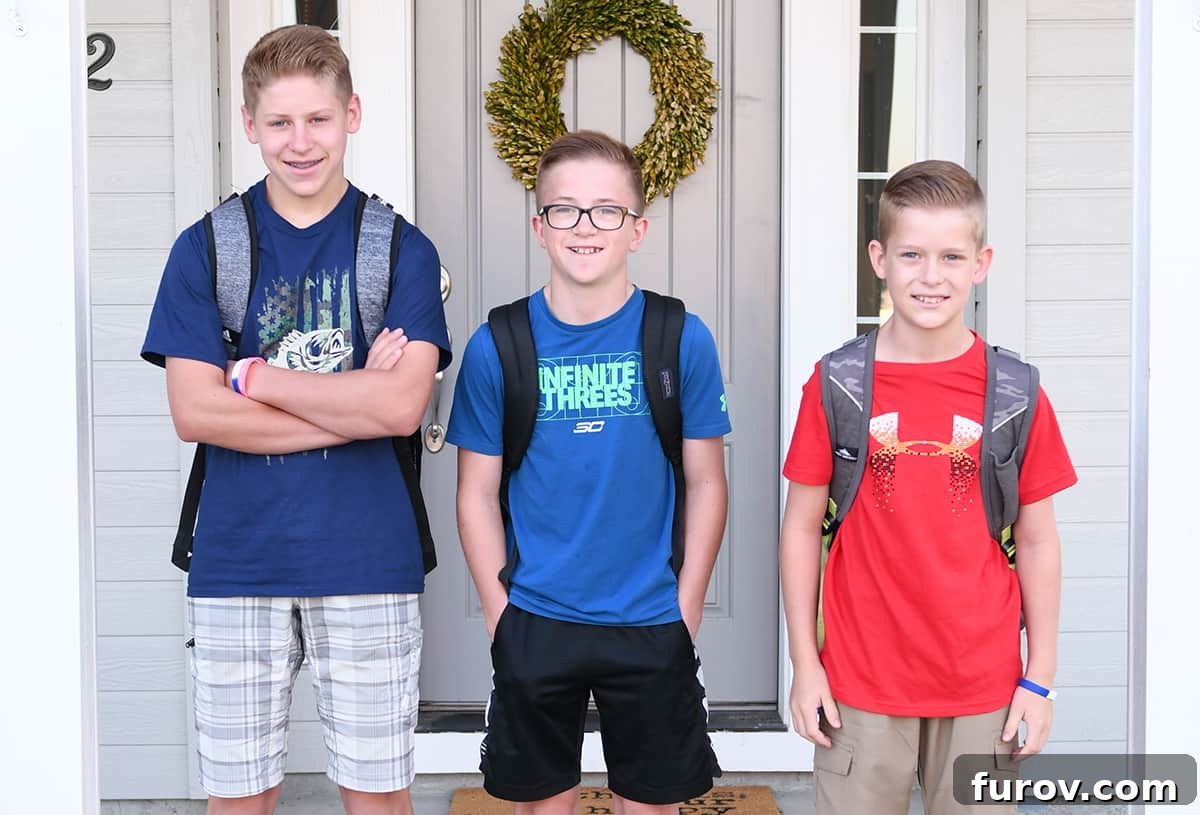
As the leaves begin to hint at change and the final days of summer fade, a familiar buzz fills the air: it’s back-to-school season! Whether your children are heading to public school, a charter academy, a private institution, or embarking on another year of homeschooling, this transitional period often brings a mix of excitement and a significant shift in routine. For many of us, the carefree days of summer, with their late mornings and flexible schedules, give way to a structured rhythm that can feel both refreshing and, let’s be honest, a little overwhelming.
In our household, the shift is already in full swing. My three eldest children have already plunged into the hustle and bustle of middle and high school, with the two youngest eagerly awaiting their turn next week. It’s a period that, despite my best efforts to prepare, always manages to “rock my world” a bit. The sudden demand for early mornings, nutritious breakfasts, efficiently packed lunches, and the constant mental gymnastics of planning dinner amidst a whirlwind of after-school activities can feel like a marathon. We’ve all been there – those moments when you just want to hide in the pantry with a bag of chocolate chips, wondering how to juggle it all.

But fear not, fellow parents! You’re not alone in navigating these turbulent waters. This comprehensive guide compiles current, actionable tips that are helping our family stay afloat, alongside timeless wisdom gathered over the years. Our goal is to equip you with practical strategies to streamline your days, foster independence in your children, and make the back-to-school transition as smooth and stress-free as possible. From mastering school lunches to conquering weeknight dinners, we’ve got you covered.
Mastering School Lunches: Smart Strategies for Busy Parents
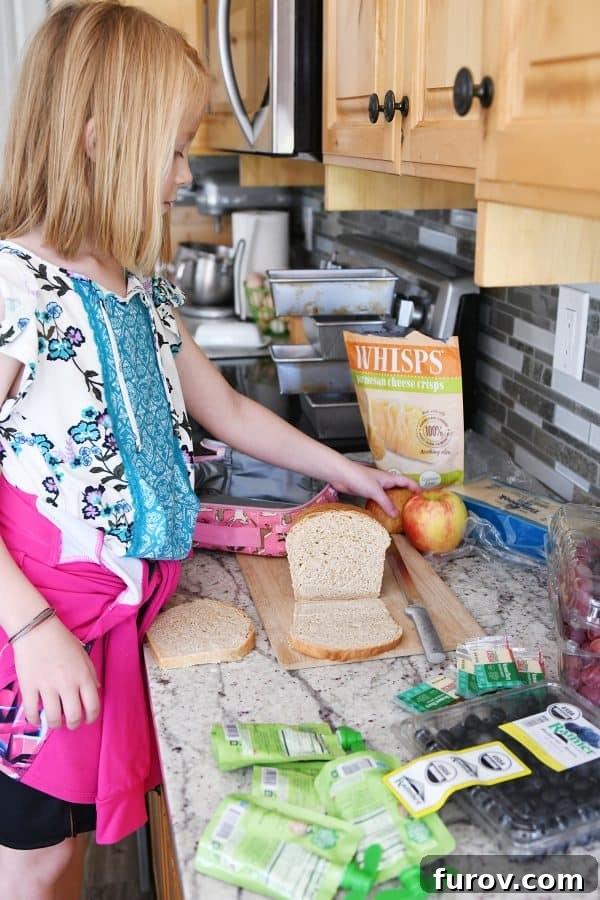
One of the biggest daily hurdles during the school year is undoubtedly school lunches. The question isn’t just “What to pack?”, but “How can we make this process efficient, healthy, and maybe even enjoyable?” In our home, we’ve found immense success by empowering our five children to pack their own lunches each morning. This not only lightens my load but also teaches them valuable life skills and promotes healthy eating habits.
Over the years, we’ve experimented with various lunchbox solutions. We’ve loved the organized convenience of bento-style boxes like the Goodbyn ones, which encourage a variety of foods in separate compartments. Currently, my oldest (a 10th grader) opts for the simplicity of a classic brown paper sack. My two middle schoolers benefit from these freezable pack-it lunch boxes, which keep food cool without needing separate ice packs—a true game-changer! And for our two elementary-aged kids, these inexpensive zipper lunch boxes have proven surprisingly durable and practical.
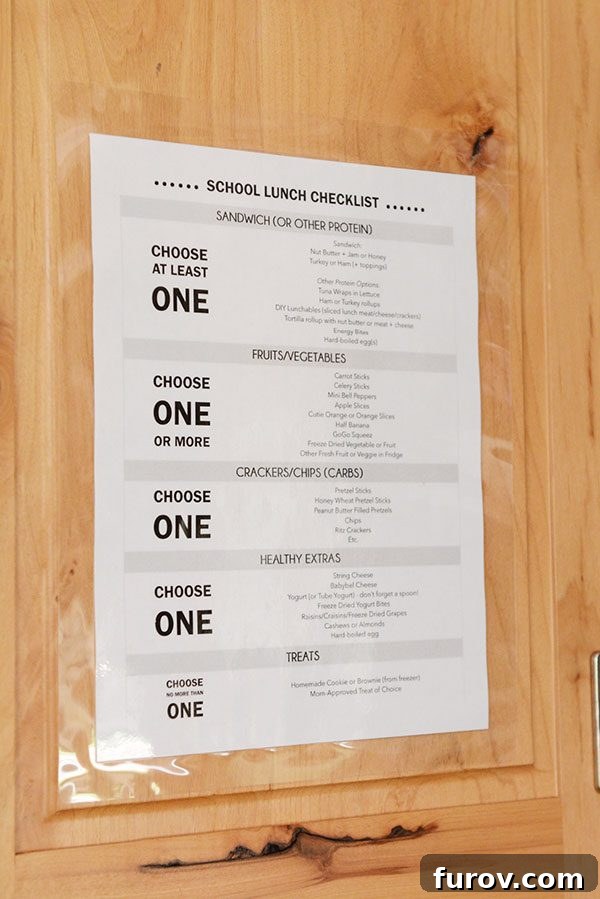
To guide their choices and ensure a balanced meal, we still rely on our trusty school lunch checklist. Taped to the inside of a kitchen cupboard, it serves as a subtle reminder for them to include items from different food groups. This little tool helps prevent the notorious “all carbs” lunch (we can’t blame them for wanting Nutella sandwiches every day, but variety is key!). The checklist prompts them to think about a main item, a fruit, a vegetable, a dairy item, and a healthy snack, promoting healthier habits without constant parental hovering.
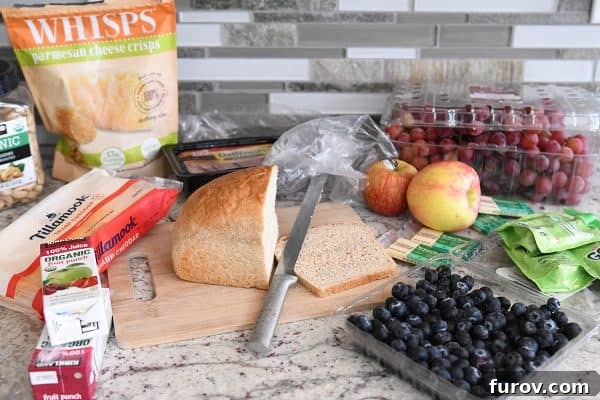
While I strive for a hands-off approach to packing, I’ve discovered a secret weapon for nudging them towards nutritious options: strategic pre-placement. Before they even begin, I lay out an array of healthy choices on the counter – pre-washed fruits, chopped veggies, hard-boiled eggs, string cheese, and other protein-rich items. When these appealing options are readily available and within easy reach, children are far more likely to grab them without a second thought. It’s a simple trick that bypasses the effort they might otherwise avoid of rummaging through the fridge or pantry for healthier items, preventing a lunchbox filled solely with less desirable treats.
Fostering Independence: The 4-Step Method for Lunch Packing (and Beyond)
A truly transformative piece of advice I received from my friend, Teri, is a 4-step method for teaching kids independence, which applies beautifully to school lunch packing and countless other life skills:
- Step #1: Do it for them. In the beginning, handle the task entirely yourself. This sets a standard and ensures it gets done correctly.
- Step #2: Help them with the task. Once they’re ready, invite them to participate. Guide them through each step, offering assistance and instruction.
- Step #3: Watch them while they complete the task. As their confidence grows, step back and observe. Offer feedback only when necessary, allowing them to take the lead.
- Step #4: Allow them to do it by themselves. Trust them with the responsibility. They’ve learned the ropes, and now it’s their turn to fully own the process.
I must admit, a couple of years ago, I ignorantly leaped from Step #1 directly to Step #4 when it came to lunch packing. The outcome was, predictably, pure misery for everyone involved. I was frustrated by their questionable lunch choices, while they felt unjustly criticized, proud of their self-made meals (even if those meals consisted of 100% carbohydrates). It was a disaster. We quickly regrouped, backing up to Step #2, and have since progressed gradually through the stages. Now, I’ve *mostly* stepped away, and it’s truly fantastic. Not only do they pack well-balanced lunches, but I also save precious time each morning. This method isn’t just about lunches; it’s a powerful framework for building competence and self-reliance in children across all areas of life.
Fueling Young Minds: Smart After-School Snack Ideas
The moment the school bus pulls away and the front door swings open, a chorus of “I’m starving!” typically erupts in our home around 3:20 p.m. After a long day of learning and playing, kids need to refuel. After-school snacks are not just a treat; they’re a crucial bridge between lunch and dinner, providing the necessary energy for homework, extracurricular activities, and general growth. While I don’t have any magical, complex secrets for after-school snacks, we prioritize simplicity, accessibility, and a gentle nudge towards wholesome choices.
My approach often involves “over-the-shoulder reminding” – subtle guidance rather than strict rules. Phrases like “Feel free to cut up an apple for yourself,” “Remember, protein is always a good idea,” or a playful “Sixteen bags of microwave popcorn might not be the best choice for sustained energy” help them make better decisions without feeling policed. The key is to have a variety of easy, appealing options readily available. We often gravitate towards variations of crackers and cheese, an abundance of fresh fruit, and yes, sometimes the occasional cookie or Oreo makes an appearance (everything in moderation!).
Go-To Grab-and-Go Snack Ideas:
- Protein Energy Bites: These are absolute lifesavers! Packed with nutritious ingredients, they’re perfect for lunchboxes, quick after-school fuel, or even a pre-workout boost. We make big batches because they disappear fast.
- Yogurt and Granola: A simple, satisfying, and customizable option. Kids can scoop their own yogurt and sprinkle granola, adding fresh fruit for extra flavor and nutrients.
- Freezable Snack Cakes & Muffins: I often bake larger quantities of comforting treats like this chocolate chip applesauce snack cake, banana bread chocolate chip bars, or this whole grain banana chocolate chip snack cake. After baking, I cut them into individual squares or muffins and freeze them. They can be pulled out and quickly warmed in the microwave for a wholesome, satisfying snack in minutes. Having a variety of different muffins in the freezer is also fantastic.
- Fresh Fruits & Veggies with Dip: Apple slices, banana, grapes, carrots, cucumber, bell peppers – paired with peanut butter, hummus, or a creamy Greek yogurt dip.
- Hard-Boiled Eggs or String Cheese: Excellent sources of protein that are quick to grab and require no preparation.
By keeping a well-stocked pantry and fridge with these types of options, and by empowering kids to make their own choices within a guided framework, after-school snack time can be smooth, healthy, and contribute to their overall well-being.

Conquering Weeknight Dinners: Speedy Solutions for Hectic School Evenings
The return to school often signals the inevitable onslaught of after-school activities: sports practices, music lessons, club meetings, and homework sessions. This packed schedule can leave parents feeling utterly overwhelmed, scrambling to get a healthy, family dinner on the table. There are evenings when I find myself, once again, hiding in the pantry, wondering how we’ll ever manage a family meal, let alone actually prepare one. The good news? You can conquer dinner chaos with a few key strategies.
My ultimate coping skill, the one I return to time and time again, is **menu planning**. I know I advocate for menu planning frequently, but that’s because I’ve seen firsthand how it can genuinely change lives. It eliminates the dreaded “what’s for dinner?” panic, reduces impulse buys at the grocery store, and most importantly, ensures that nourishing meals consistently make it to your family’s table. If I know what I’m making, and if I’ve been realistic about our afternoon and evening commitments (no planning a seven-course meal on a night we have only fifteen minutes at home!), then I can usually execute dinner successfully. “Usually” is the key, but it’s a vast improvement over the alternative!
Flexible Menu Planning: Your Secret Weapon
If the idea of a rigid “Spaghetti Monday, Taco Tuesday” menu plan feels too restrictive, consider a more fluid approach. Instead of assigning specific meals to specific days, simply list 4-5 go-to meals that your family loves for the week. Purchase all the necessary ingredients. Then, as your week unfolds, “plug them in” where they best fit your schedule and energy levels. This flexibility allows for spontaneity while still ensuring you have all the components for delicious, home-cooked meals. For more insights into this foundational skill, check out my timeless guide: Menu Planning 101.
Embrace Meal Prep and Speedy Solutions
Beyond planning, embracing meal prep and prioritizing quick-cooking methods are essential for busy school nights. Think about batch cooking proteins like shredded chicken or ground beef on the weekend, chopping vegetables in advance, or pre-assembling ingredients for casseroles. Freezer meals are also invaluable – having a ready-to-bake lasagna or a hearty stew waiting means less stress on hectic evenings.
To help you navigate these busy weeks, here’s a curated list of my favorite quick meal categories that are tried-and-true lifesavers:
- Over 100+ 30-Minute Recipes: For nights when you need a satisfying meal on the table in a flash.
- Over 25 20-Minute Recipes: When time is truly of the essence, these express meals come to the rescue.
- Over 30+ Instant Pot/Pressure Cooker Favorites: Harness the power of your electric pressure cooker for incredibly fast and flavorful dishes.
- Over 50+ Slow Cooker Wonders: Set it and forget it! These meals cook all day, ready for you when you walk in the door.

Navigating the back-to-school season doesn’t have to be a source of constant stress. By implementing these practical tips for school lunches, after-school snacks, and quick dinners, you can create a smoother, more organized, and ultimately more enjoyable routine for your entire family. Remember, every small step towards preparation and independence makes a big difference in reducing daily chaos.
We understand that every family’s circumstances are unique, with varying phases, stages, and demands. However, we truly hope that within these resources, you’ll find valuable ideas and inspiration to maintain your sanity and thrive during this busy time of year. Your insights are incredibly valuable! As always, we warmly welcome your comments – what strategies help YOU stay organized and calm during the back-to-school rush? Share your wisdom with our community!
More Essential Back-To-School Survival Resources