
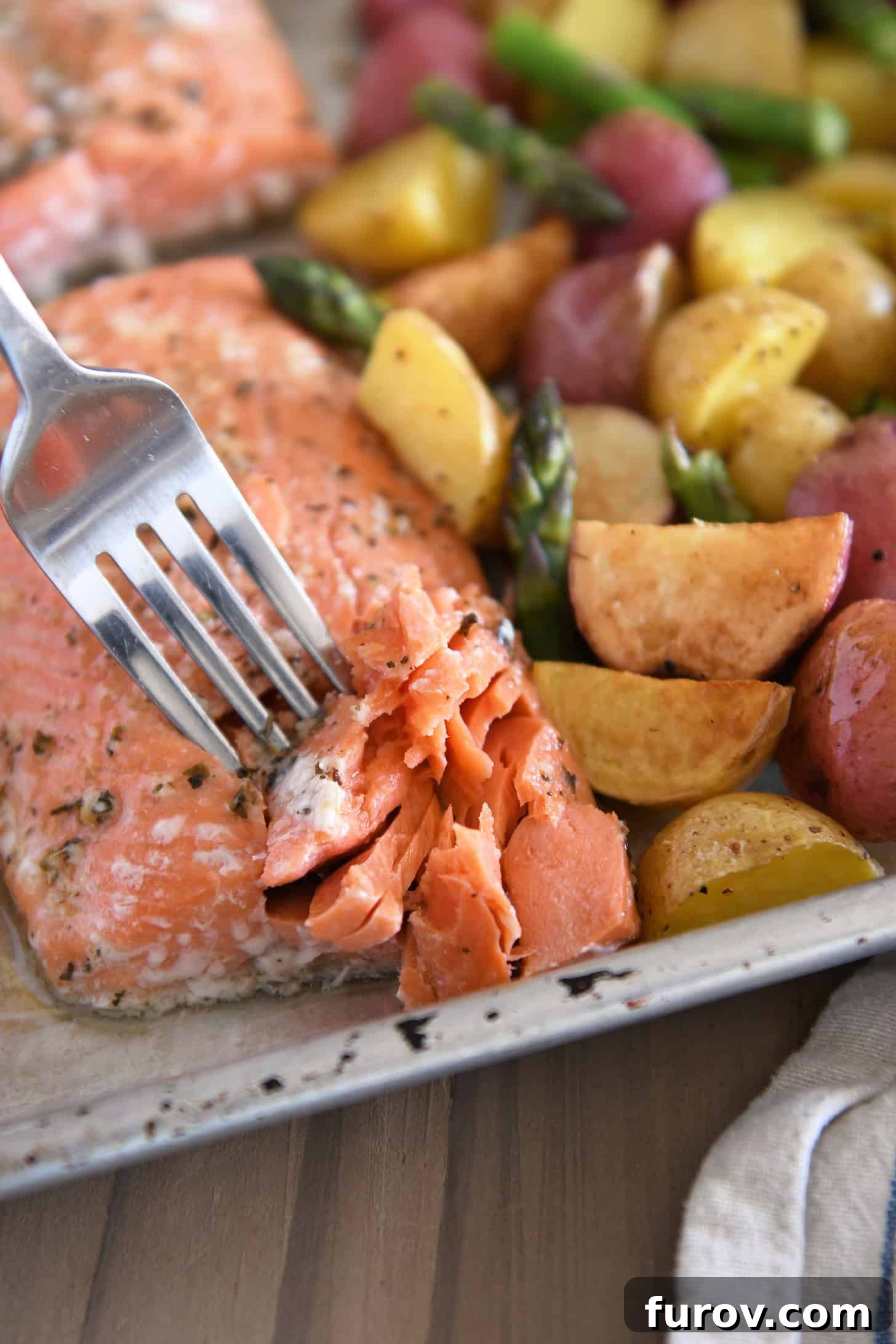
Craving a delicious, healthy, and incredibly easy weeknight meal that comes together in under 30 minutes? Look no further than this fantastic Sheet Pan Lemon Garlic Salmon with Roasted Potatoes and Asparagus! It’s the ultimate hassle-free dinner solution, combining fresh flavors and minimal cleanup, making it a perfect choice for busy individuals and families alike. Imagine succulent salmon fillets infused with bright lemon and aromatic garlic, roasted alongside tender, golden potatoes and crisp asparagus—all on a single pan. This recipe isn’t just simple; it’s a culinary triumph that will earn a permanent spot in your rotation.
You’ll be amazed at how quick and straightforward this sheet pan dinner is to prepare. Beyond the core recipe, we’ll dive into variations, clever tips for foolproof cooking, and ways to make this dish your own. Get ready to transform your weeknight routine with a meal that tastes like it came from a gourmet kitchen, but demands minimal effort.
Why This Sheet Pan Salmon is a Weeknight Hero
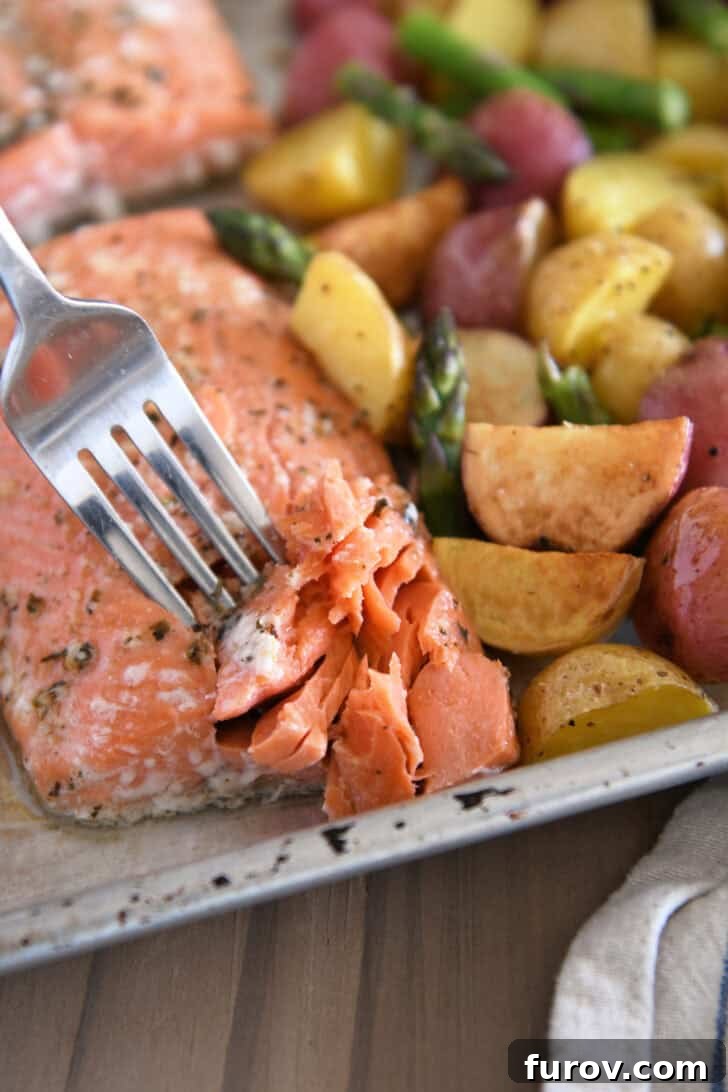
As an avid salmon enthusiast, I’m always on the hunt for recipes that highlight this incredible fish. When salmon appears on a restaurant menu, it’s almost a guarantee that I’ll order it. This sheet pan version, however, transcends mere preference—it’s a game-changer for so many reasons, making it an absolute slam dunk in my culinary playbook.
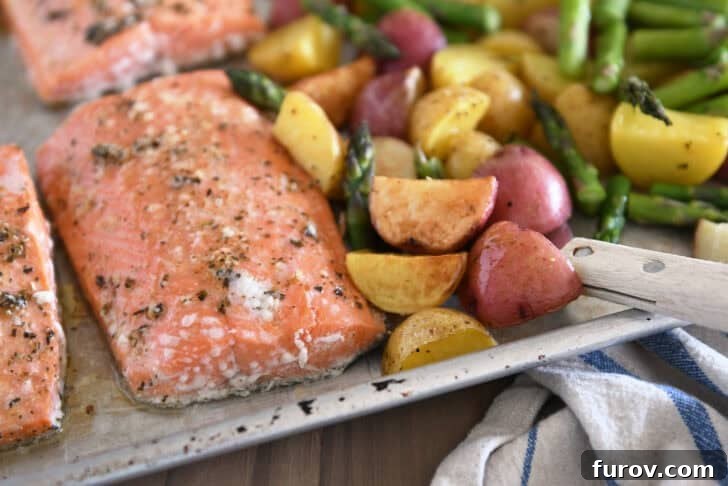
Here’s why this Sheet Pan Lemon Garlic Salmon with Roasted Potatoes and Asparagus stands out as the ultimate weeknight hero:
- Unbeatable Simplicity: This dish is incredibly straightforward, featuring simple, fresh flavors and a stress-free cooking process. There are no complicated techniques or extensive prep work, just pure, wholesome goodness.
- Effortless One-Pan Cooking: The magic of a sheet pan meal lies in its efficiency. Everything, from the protein to the vegetables, cooks together on a single pan, minimizing dishes and maximizing your precious evening time.
- Perfectly Cooked Ingredients: The staggered cooking times are key to success. This method ensures that the potatoes achieve a beautiful tender-crisp texture, the asparagus retains its vibrant crunch, and the salmon remains flaky and moist, never overcooked.
- Bursting with Flavor: The combination of bright lemon, pungent garlic, fragrant oregano, and earthy basil creates a marinade that infuses every bite with an irresistible aroma and taste. It’s a flavor profile that’s both comforting and sophisticated.
- Nutritious and Wholesome: Packed with lean protein from the salmon, complex carbohydrates from the potatoes, and essential vitamins from the asparagus, this meal is a powerhouse of nutrition. It’s a healthy dinner option you can feel good about serving your family.
- Quick to the Table: From start to finish, this entire meal is ready in less than 30 minutes of active cooking time, with a total time of about 40 minutes, including prep. It’s faster than takeout and infinitely more satisfying.
- Minimal Cleanup: The beauty of a single sheet pan means significantly less washing up afterward. Line your pan with parchment paper or foil for even easier cleanup, and you’ll spend more time enjoying your meal and less time scrubbing.
- Versatile and Customizable: While the core recipe is stellar, it’s also incredibly adaptable. You can easily swap vegetables, adjust seasonings, or even try different proteins, making it a flexible meal that caters to diverse tastes and pantry staples.
Essential Ingredients for Your Sheet Pan Masterpiece
The beauty of this recipe lies in its reliance on simple, fresh ingredients that come together to create a symphony of flavors. Understanding a few nuances about each component will help you achieve the best results.
- Salmon Fillets: High-quality salmon is the star of this dish. You can use either skin-on or skinless fillets. Skin-on salmon often provides extra flavor and helps keep the fish moist, with the skin crisping up nicely on the pan. If using skinless fillets, a light brush of olive oil on the baking sheet where the salmon will rest can prevent sticking. Aim for fillets that are roughly 6 ounces each and of similar thickness to ensure even cooking. Fresh or fully thawed frozen salmon works best; never cook salmon from frozen on a sheet pan, as it will release too much water and cook unevenly.
- Potatoes: Small, waxy potatoes like red, yellow, or a vibrant medley are ideal for roasting. Their skins are thin and tender, making peeling unnecessary and saving you precious prep time. Cutting them into roughly 1-inch pieces is crucial for ensuring they cook through and become beautifully tender and golden brown in the allotted time. Larger pieces will require a longer initial bake.
- Asparagus: Look for firm, bright green asparagus spears. To prepare them, simply snap off the tough, woody ends – they’ll naturally break at the right spot. Then, cut the spears into 1½-inch pieces. This size ensures they cook quickly and evenly, reaching a crisp-tender texture that complements the other ingredients. Avoid overcooking, as mushy asparagus can detract from the dish.
- Fresh Lemon Juice: This ingredient is non-negotiable for achieving that bright, zesty, and refreshing flavor that cuts through the richness of the salmon. While bottled lemon juice can be used in a pinch, fresh-squeezed lemon juice provides a significantly superior, more vibrant taste that truly elevates the dish. Always opt for fresh if possible.
- Garlic: Fresh garlic, finely minced or pressed through a garlic press, offers the most robust and aromatic flavor. The pungent notes of fresh garlic are essential to the marinade. If fresh garlic isn’t available, garlic powder can be substituted, typically at a ratio of 1/2 teaspoon of powder for every clove of fresh garlic.
- Dried Basil + Dried Oregano: These dried herbs are staples that provide a wonderful depth of flavor to the marinade. Their earthy, slightly peppery notes pair beautifully with lemon and garlic. While dried herbs are convenient, feel free to substitute with fresh herbs if you have them on hand. As a general rule, use three times the amount of fresh herbs compared to dried (e.g., 1½ teaspoons fresh basil for ½ teaspoon dried).
- Honey: A small touch of honey in the marinade adds a hint of sweetness that balances the tartness of the lemon and helps with caramelization, contributing to a golden crust on the salmon.
- Extra Virgin Olive Oil: Essential for both the marinade and for tossing with the potatoes and asparagus, olive oil helps conduct heat, preventing sticking and ensuring even browning and crisping of the vegetables.
- Coarse Salt & Black Pepper: Simple seasonings that enhance all the natural flavors of your ingredients. Use coarse salt for a better texture and distribution of flavor.
Salmon & Protein Substitutions: A common question with fish recipes is whether chicken or other proteins can be substituted. For this recipe, thin chicken tenders or chicken breast pieces cut into similar sizes as the salmon fillets can work wonderfully, using similar cooking times. You might also consider firm white fish like cod or halibut, adjusting cooking times slightly as needed. For other proteins, like shrimp, you would add them much later in the cooking process, typically in the last 5-7 minutes, due to their faster cooking time.

How to Assemble and Cook Your Lemon Garlic Salmon and Veggies
The beauty of this sheet pan lemon garlic salmon and vegetable dinner lies not just in its delicious outcome, but in its incredibly straightforward process. Achieving perfectly cooked salmon, tender potatoes, and crisp-tender asparagus all on one pan is a breeze when you follow these key steps. The initial two steps are particularly crucial for ensuring optimal flavor and consistently even cooking.
- Preheat with Purpose: Begin by preheating your oven to a robust 425°F (218°C). Crucially, place your empty sheet pan directly into the oven as it preheats. This ensures the pan gets sizzling hot, which is vital for achieving beautifully browned and slightly crispy potatoes when they hit the surface. A hot pan immediately begins to sear the vegetables, creating a delicious crust and preventing them from steaming.
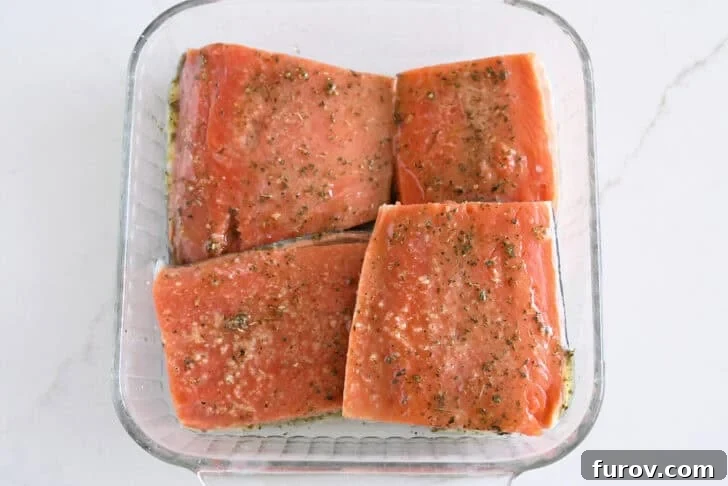
- Marinate for Maximum Flavor: While the oven and sheet pan are heating, prepare your simple yet potent lemon-garlic marinade. In a small bowl, whisk together the extra virgin olive oil, fresh lemon juice, honey, minced garlic, coarse salt, dried oregano, and dried basil. Place your salmon fillets in a shallow dish and generously drizzle this aromatic marinade over them, ensuring each fillet is completely coated. Let the salmon luxuriate in this marinade at room temperature while the potatoes begin their cooking journey. This short marination period infuses the salmon with incredible flavor and helps keep it moist during baking.
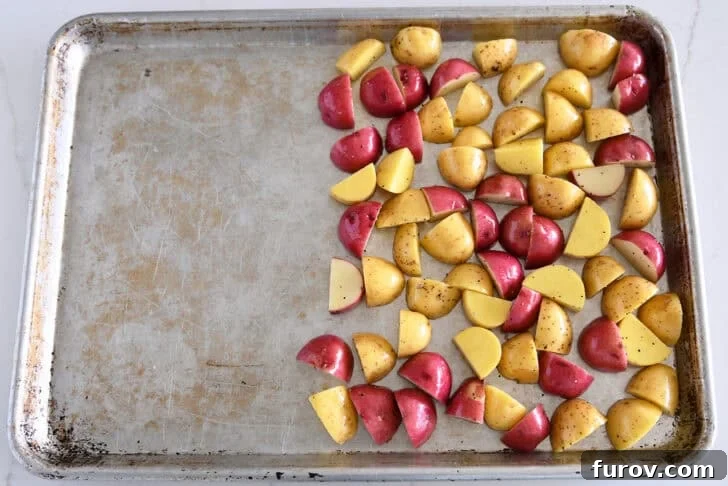
- First Bake – The Potatoes Take the Stage: Once the oven has reached temperature and the sheet pan is piping hot, carefully remove the pan from the oven. Add your cut potatoes to a bowl, drizzle with 1 tablespoon of olive oil, ¼ teaspoon of coarse salt, and a pinch of black pepper, tossing to coat evenly. Scatter the seasoned potatoes in a single layer on one half of the hot sheet pan. It’s important not to overcrowd the pan, as this can lead to steaming instead of roasting. Return the pan to the oven and bake for 15 minutes. This head start allows the denser potatoes to become tender before the faster-cooking salmon and asparagus are added.
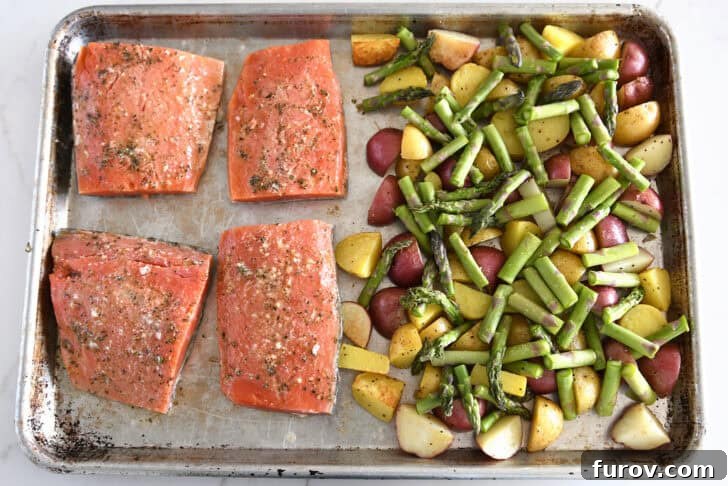
- Second Act – Asparagus and Salmon Join the Party: After the potatoes have had their initial 15 minutes, carefully pull the sheet pan out of the oven. Give the potatoes a good toss with a spatula to ensure even browning. Now, add your cut asparagus pieces over the potatoes, drizzling them lightly with an additional teaspoon of olive oil and sprinkling with a pinch more coarse salt. On the other vacant half of the sheet pan, arrange your marinated salmon fillets in a single layer. If there’s any leftover marinade in the dish, don’t let it go to waste! Drizzle it over the salmon for an extra burst of flavor.
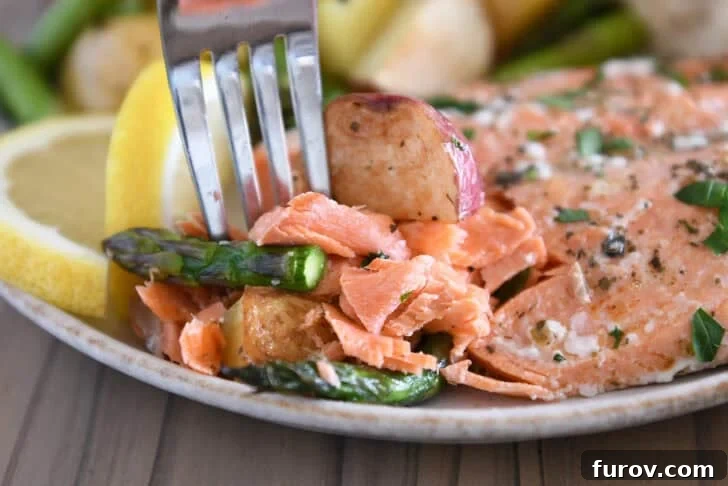
- Final Bake – Bringing It All Together: Return the sheet pan to the oven and continue baking for another 8 to 10 minutes. The salmon is perfectly cooked when it easily flakes with a fork and reaches an internal temperature of 135°F to 145°F (57°C to 63°C). The asparagus should be crisp-tender, vibrant green, and slightly charred at the edges. Be mindful not to overcook the salmon, as it can dry out quickly.
- Serve and Savor: Once done, carefully remove the sheet pan from the oven. If desired, you can easily remove the salmon skin at this point. Transfer the flaky salmon, golden roasted potatoes, and tender asparagus to plates. Garnish generously with fresh, chopped parsley for a pop of color and extra freshness, and serve with lemon wedges or slices for an optional squeeze of bright citrus. Enjoy this incredible meal immediately!
Additional Tips for Sheet Pan Salmon Perfection
While this recipe is designed to be simple, a few extra tips can elevate your sheet pan lemon garlic salmon from great to absolutely extraordinary. These insights will help you troubleshoot common issues, adapt the recipe to your preferences, and ensure every meal is a success.
- Maximize Flavor with Lingering Marinade: As mentioned in the cooking steps, if there’s any marinade remaining in the shallow dish after placing the salmon fillets on the sheet pan, be sure to drizzle it over the salmon before baking. This liquid gold adds an extra layer of flavor and helps keep the fish incredibly moist and succulent. Don’t let a single drop go to waste!
- Always Thaw Salmon Fully: It is imperative that your salmon fillets are completely thawed before cooking. Attempting to cook salmon from frozen or partially frozen will lead to uneven cooking, leaving some parts raw while others are overcooked and dry. Furthermore, frozen salmon releases a significant amount of liquid as it thaws in the oven, potentially leaving your sheet pan “swimming” in liquid and hindering the vegetables from browning properly. For best results, thaw salmon overnight in the refrigerator or use the cold water method if you’re short on time.
- Adjusting for More Servings: This recipe is perfectly scaled for four servings using a standard half-sheet pan. If you’re hosting a larger gathering or simply want to cook more, you have a couple of excellent options:
- Use Two Baking Sheets: Divide the ingredients evenly between two separate half-sheet pans. If your oven has a convection setting, utilize it to promote more even cooking across both pans. When using two pans, place them on separate oven racks, ensuring several inches of space between them for proper air circulation. You might need to rotate the pans halfway through cooking for consistent results.
- Invest in an Extra-Large Sheet Pan: A ¾-size commercial baking sheet (like these ones) can accommodate more ingredients without overcrowding. This allows all components to roast beautifully on a single, larger surface. Just ensure your oven is large enough to comfortably fit the bigger pan.
- Customizing Potato Doneness: If you prefer your potatoes extra golden and crispy, or if your potato pieces are slightly larger than 1 inch, you can add an additional 3 to 5 minutes to their initial baking time before introducing the salmon and asparagus. Keep an eye on them to prevent burning.
- Asparagus Texture Preference: This recipe aims for crisp-tender asparagus, which means it’s cooked through but still has a slight bite. If you prefer your asparagus softer, add it to the sheet pan along with the potatoes for the last 3 to 5 minutes of their initial bake, then proceed with adding the salmon.
- Get Creative with Vegetables: Don’t be afraid to swap out or add other quick-cooking vegetables. Broccoli florets, bell pepper strips, zucchini slices, or even cherry tomatoes would make wonderful additions or substitutions. Just be mindful of their cooking times; denser vegetables like broccoli might need to go in with the potatoes, while softer ones like zucchini or cherry tomatoes can be added with the salmon.
- Spice It Up: While the classic lemon-garlic-herb combo is fantastic, feel free to experiment with other seasonings. A pinch of red pepper flakes can add a subtle kick, or smoked paprika can introduce a smoky depth. Fresh dill or thyme also pair beautifully with salmon.
- Meal Prep Friendly: This sheet pan meal is fantastic for meal prepping! Cook a larger batch, then divide into individual containers for healthy, ready-to-eat lunches or dinners throughout the week. The flavors meld beautifully, and it reheats well in the microwave or oven.
- Don’t Overcrowd the Pan: This is a golden rule for all sheet pan cooking. Overcrowding leads to steaming rather than roasting, resulting in soggy vegetables and less-than-crispy textures. Ensure all ingredients are in a single layer with a little space between them. If necessary, use two pans.
This Sheet Pan Lemon Garlic Salmon with Roasted Potatoes and Asparagus is more than just a recipe; it’s a testament to how simple ingredients, combined with smart cooking techniques, can yield an unforgettable meal. For such a straightforward process, the resulting dish boasts restaurant-level flavor and an undeniable “yum-factor” that will have everyone asking for seconds. It has quickly become one of my absolute favorite dinners, and I confess, I often hoard the leftovers all to myself! It’s healthy, satisfying, and incredibly flavorful. I genuinely hope you love it as much as I do!
Sheet Pan Lemon Garlic Salmon with Potatoes and Asparagus
4 servings
15 mins
25 mins
40 mins
5 stars (9 ratings)
Pin
Rate
Save
Ingredients
Salmon + Marinade:
- 2 tablespoons extra virgin olive oil
- 2 tablespoons fresh lemon juice
- 1 teaspoon honey
- 2 cloves garlic, finely minced (or 1/2 teaspoon garlic powder)
- ½ teaspoon coarse salt
- ½ teaspoon dried oregano
- ½ teaspoon dried basil
- 4 (6-ounce) salmon fillets (skin-on or skinless)
Vegetables:
- 1 ½ pounds red or yellow potatoes, cut into 1-inch or slightly smaller pieces
- 1 ½ tablespoons extra virgin olive oil, divided
- ¼ teaspoon coarse salt, plus a pinch more for sprinkling over the asparagus
- Pinch black pepper
- 1 pound asparagus, trimmed and cut into 1 1/2-inch pieces
Optional Garnishes:
- Fresh, chopped parsley
- Lemon wedges or slices
Instructions
- Preheat oven to 425°F (218°C). Place an empty sheet pan in the oven while it preheats.
- In a small bowl, whisk together 2 tablespoons olive oil, lemon juice, honey, garlic, ½ teaspoon salt, oregano, and basil. Place salmon fillets in a shallow dish and drizzle the marinade over, brushing to coat completely.
- Place the marinated salmon in the refrigerator.
- In a separate bowl, toss the cut potatoes with 1 tablespoon of olive oil, ¼ teaspoon coarse salt, and pepper.
- Carefully remove the hot sheet pan from the oven. Scatter the seasoned potatoes in an even layer on one half of the sheet pan. Bake for 15 minutes.
- Remove the pan from the oven. Toss the potatoes gently. Add the asparagus pieces across the top of the potatoes, drizzle lightly with the remaining ½ tablespoon of olive oil, and sprinkle with a pinch of coarse salt.
- Place the salmon fillets in a single layer on the other half of the sheet pan. Drizzle any remaining marinade from the dish over the salmon.
- Return the sheet pan to the oven and bake for 8 to 10 minutes, or until the salmon flakes easily with a fork (internal temperature should be 135°F to 145°F / 57°C to 63°C) and the asparagus is crisp-tender.
- Remove the skin from the salmon if desired. Serve the salmon with the roasted potatoes and asparagus. Garnish with fresh, chopped parsley and serve with lemon slices or wedges, if desired.
Notes
Salmon: Skin-on or skinless salmon can be used. If using skinless, lightly oil the baking sheet where the salmon will rest to prevent sticking.
Cooking Time for Potatoes: For a more golden color on the potatoes or if your potato pieces are larger than 1-inch, you can add 3 to 5 additional minutes to the initial baking time for the potatoes before adding the salmon and asparagus.
Asparagus Texture: I prefer asparagus crisp-tender. If you like it softer, add it to the potatoes and return the sheet pan to the oven for three to five minutes before adding the salmon.
Mel Gunnell
Main Course
American
Bake
Nutrition Facts
Serving: 1 serving,
Calories: 473kcal,
Carbohydrates: 37g,
Protein: 34g,
Fat: 22g,
Saturated Fat: 3g,
Cholesterol: 78mg,
Sodium: 221mg,
Fiber: 6g,
Sugar: 5g
Recommended Products
Recipe Source: from Mel’s Kitchen Cafe